The Prostate Explained: Unlocking the 10 Secrets of a Small But Mighty Gland
A prostate cancer diagnosis can feel like a punch to the chest.
One moment, life feels normal. The next, you are hearing new words, worrying about your future, and wondering what this small gland inside your body actually does, and why it suddenly matters so much.
That is exactly why this guide exists.
Before a man can make calm, intelligent decisions about prostate health, he needs to understand the prostate itself, what it does, why it matters, and what can begin to go wrong when its normal functions are disrupted.
This is not just a random gland. The prostate plays an important role in reproduction, ejaculation, urinary function, and the overall health of the male reproductive system.
And yet most men are never taught even the basics.
They are told to fear the prostate, test the prostate, monitor the prostate, or treat the prostate, but very few are ever given a simple, readable explanation of what this small but mighty gland is actually designed to do.
This guide is here to change that.
If you understand the prostate better, you are immediately in a stronger position to ask better questions, think more clearly, and make more informed choices.
Why Most Men Misunderstand the Prostate
Most men do not grow up learning about the prostate in any meaningful way.
They may hear the word in passing, usually later in life, often in a medical setting, and usually with a note of concern attached to it.
That is a problem.
When fear arrives before understanding, men often feel powerless. They may assume the prostate is only relevant if something is wrong, or they may believe it matters only for older men.
Neither of those ideas is true.
The prostate has important functions throughout adult male life. It helps create and protect semen, supports sperm, contributes to ejaculation, and sits in a position where even small changes can affect urinary flow and quality of life.
So before talking about prostate cancer, it makes sense to first understand the prostate itself.
What Is the Prostate Gland?
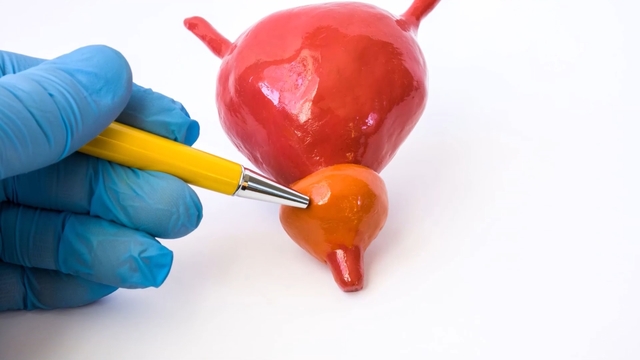
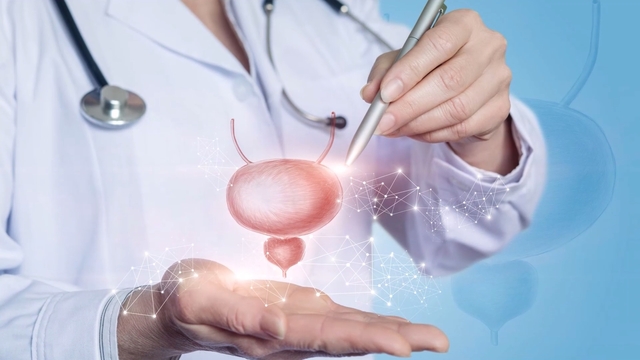
The prostate is a small, walnut-sized gland found only in men. It sits just below the bladder and surrounds part of the urethra, the tube that carries urine out of the body.
Its location is important because it connects two major functions: reproduction and urination.
The prostate's main job is to produce fluid that mixes with sperm to form semen. But that is only the beginning. It also adds key substances that help sperm survive, move, and function properly.
At the same time, because the prostate wraps around part of the urethra, any swelling, enlargement, or inflammation can affect how easily a man urinates.
That is one reason the prostate can have such a big impact despite being so small.

The 10 Main Functions of the Prostate Gland
Here are ten of the prostate's most important roles, explained in simple English.
1. It Produces Seminal Fluid
The prostate produces a significant portion of the fluid that makes up semen, usually around 20 to 30 percent.
This fluid is not just there to add volume. It helps carry sperm, protect sperm, and create the right environment for sperm to survive after ejaculation.
In other words, the prostate is not a passive bystander. It is an active contributor to reproductive function.
When prostate function is impaired, semen quality can change, even if a man does not notice obvious symptoms right away.
2. It Adds Enzymes and Proteins
The prostate produces important enzymes and proteins, including PSA, or Prostate-Specific Antigen.
PSA helps semen remain in a more liquid state. That matters because sperm need to move freely. If semen is too thick or sticky, sperm movement can be reduced.
This is an important point because many men hear about PSA only as a blood test related to prostate cancer risk. They are rarely told that PSA also has a normal and useful biological role.
In healthy function, PSA is part of the prostate doing its job.
3. It Provides Nutrients for Sperm
The prostate adds nutrients such as zinc and citrate to prostatic fluid.
These substances help nourish sperm and support their survival and energy needs.
Sperm are living cells. They need the right environment, the right chemistry, and the right support. The prostate helps provide that support.
This is one reason prostate health matters even beyond cancer concerns. It is part of the system designed to help sperm remain viable and functional.
4. It Helps Control Ejaculation
The prostate contains smooth muscle fibers that contract during ejaculation.
These contractions help propel semen forward through the urethra and out of the body.
That means the prostate is directly involved in the physical mechanics of ejaculation. It is not the only structure involved, but it is an important part of the process.
When prostate health declines, some men notice changes in ejaculation, including reduced force, discomfort, or changes in the overall experience.
5. It Converts Hormones
The prostate helps convert testosterone into a more powerful androgen called DHT, or dihydrotestosterone.
DHT plays an important role in male development and in the normal growth and function of the prostate itself.
This hormonal activity matters because the prostate is strongly influenced by the male hormonal environment.
That also helps explain why hormone-related treatments can have such powerful effects on the prostate and on a man's wider sense of vitality, sexuality, and well-being.
6. It Affects Urinary Flow
Because the prostate surrounds part of the urethra, it can influence how easily urine passes out of the body.
When the prostate is healthy and not enlarged, urine usually flows normally.
But if the prostate becomes swollen, inflamed, or enlarged, it can squeeze the urethra and make urination more difficult.
That may lead to symptoms such as a weak stream, hesitation, dribbling, frequent urination, or getting up several times at night.
This is one of the most common ways men first become aware that something may be changing in the prostate.
7. It Helps Protect Against Infection
The prostate produces substances that appear to have antibacterial properties.
These may help defend the urinary and reproductive tracts against certain microbes.
This protective role is not something most men ever hear about, but it is another example of how the prostate supports more than one system at the same time.
When the prostate becomes inflamed or unhealthy, that protective balance may be affected.
8. It Helps Sperm Survive in the Female Body
The prostate adds fluid that helps sperm cope with the environment they enter after ejaculation.
This matters because the female reproductive tract can be a challenging environment for sperm survival.
Prostatic fluid helps improve the odds that sperm will stay alive long enough to continue their journey.
So while the prostate is located inside the male body, part of its function is to prepare sperm for survival beyond it.
9. It Supports Local Immune Health
The prostate contributes to immune defense within the male reproductive system.
It helps maintain a healthier local environment and supports protection against infection and irritation.
This is easy to overlook, but important to understand. The prostate is not just a sexual gland. It is also part of the body's local defense and maintenance system.
That is one more reason why prostate health can affect comfort, function, and confidence in ways that are broader than most men realize.
10. It Helps Prepare the Urethra for Semen
The prostate releases a small amount of fluid that helps prepare the urethra before semen passes through it.
This can help reduce the harmful effects of any residual urine left in the urethra, making the passageway safer for sperm.
It is a small detail, but it shows how carefully designed the reproductive system is. The prostate does not simply produce fluid. It helps coordinate conditions so sperm have the best possible chance of surviving the journey ahead.
What Happens When These Functions Begin to Decline?
When the prostate is healthy, most men never think about it.
But when its normal functions begin to change, the effects can become hard to ignore.
A man may notice urinary problems. He may find that ejaculation feels different. He may feel pelvic discomfort, pressure, or irritation. He may begin waking more often at night to urinate. He may simply feel that something is no longer working the way it used to.
Sometimes these changes are caused by inflammation. Sometimes by benign enlargement. Sometimes by infection. And sometimes, more seriously, they can be associated with prostate cancer.
This is why understanding normal function matters so much.
If a man has no idea what the prostate is supposed to do, he is in a weak position when things begin to change.
If he does understand it, he is far more likely to notice early warning signs, ask better questions, and avoid blind panic.
What Is Prostate Cancer?
Prostate cancer happens when cells inside the prostate begin to grow out of control.
These abnormal cells can form a tumor. In many men, prostate cancer grows slowly. In some men, it may remain confined to the prostate for years. In a smaller number of cases, it can become aggressive and spread beyond the prostate to other parts of the body, especially the bones and lymph nodes.
That is one reason prostate cancer causes so much fear. The words can sound terrifying. But the reality is more nuanced.
Not every prostate cancer is the same. Some cases are low risk and slow moving. Others are more serious and demand faster attention.
That is why education matters.
A man who hears the words “you have prostate cancer” needs more than fear. He needs understanding, context, and the ability to ask calm, intelligent questions about what kind of prostate cancer he has, how advanced it is, and what all his options really are.
Why Early Awareness Matters
Many prostate problems begin quietly.
A man may notice a weaker urine stream, more night-time urination, or subtle changes in sexual function. He may dismiss these signs as normal aging. Sometimes they are related to aging. Sometimes they are signs of something that deserves closer attention.
Early awareness does not mean living in fear.
It means becoming informed early enough to act wisely, rather than reacting emotionally later.
Tests such as PSA blood tests, physical examination, imaging, and biopsy may all play a role in understanding what is going on. Each has strengths and limitations. What matters most is that a man understands enough to have a meaningful conversation, rather than simply handing over his future to fear or confusion.
The Truth Most Men Learn Too Late
Most men are never taught how the prostate really works until after something has already gone wrong.
By then, they are often frightened, rushed, and vulnerable to confusion.
That needs to change.
The more a man understands the prostate before a crisis, the better prepared he is to make wise decisions if a problem ever appears.
Knowledge does not remove every risk. But it does reduce panic. It helps restore perspective. And it puts a man back in a stronger mental position.
3 Big Mistakes Men Make About Their Prostate
Mistake number one: assuming the prostate only matters when something goes wrong.
In reality, the prostate plays an active role in reproductive and urinary health throughout a man's adult life.
Mistake number two: believing every prostate problem means cancer.
Many prostate symptoms can have other causes, including benign enlargement or inflammation. Fear should never replace proper investigation.
Mistake number three: rushing into decisions without first understanding the gland, the diagnosis, and the full range of options.
That is how men lose confidence, clarity, and sometimes quality of life.
Final Thoughts
The prostate may be small, but it is far from insignificant.
It helps create seminal fluid, support sperm, contribute to ejaculation, influence urinary flow, and defend parts of the male reproductive system.
It also sits at the center of one of the most emotionally charged health issues a man can face.
That is why understanding the prostate is not just a medical exercise. It is a form of preparation, self-respect, and personal responsibility.
The more you understand now, the harder it becomes for fear to control you later.
About the Author
Scott Oliver, 66, is living well with prostate cancer after dedicating more than 4,000 hours to researching the condition. His first goal is to help men reduce their risk of developing prostate cancer through proven lifestyle strategies.
When diagnosed, his mission is to help men avoid unnecessary prostate surgeries that can lead to devastating complications such as incontinence, bleeding, permanent impotence, and a loss of length.
Scott Oliver is not a doctor and does not offer medical advice; however, he is healthier and fitter than he has been in decades. Through his articles and videos, he shares hard-to-find, uncensored information on proven alternative therapies, effective fitness methods, and repurposed drugs, content that most doctors won’t mention and search engines suppress.
He is an accredited member of the National Writers Union (NWU) and the International Federation of Journalists (IFJ), the world’s largest organization of professional journalists. Scott is also the author of What If Cancer’s Best Defense Is Free? Sleep as a Defense Against Cancer: A Former Royal Marines Commando’s 4,000-Hour Research Roadmap, where he reveals how sleep repairs DNA, restores immunity, and strengthens the body’s natural defenses against cancer.
You can always contact Scott Oliver here with your questions and suggestions.