Ten Important Questions About Erectile Dysfunction You Must Ask Your Surgeon BEFORE Agreeing to a Prostatectomy
In some cases, a Prostatectomy, a common treatment for prostate cancer, can improve survival rates, but it also comes with potential side effects that many men are not fully prepared for.
One of the most impactful and often unspoken risks is erectile dysfunction (ED). While ED is a well-known complication, understanding its full implications and how to manage it effectively can be daunting.
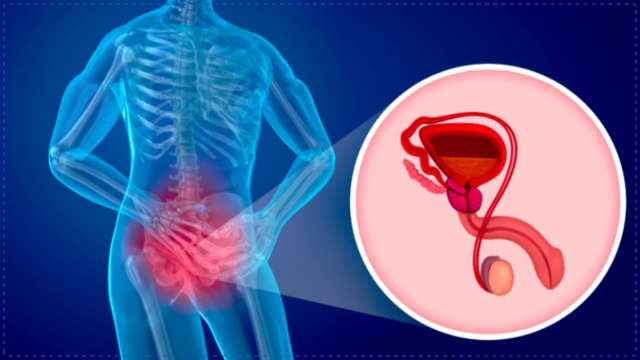
This article aims to empower men by providing essential questions to ask their surgeons about the risks of ED and how to navigate these challenges with confidence.
- What percentage of men suffer lifelong impotence after a prostatectomy, and how does this vary based on age and surgical technique?
- Range of ED rates: 14% to 90% depending on the study and surgical approach[1][4]. Lifelong impotence rates can vary significantly based on factors like nerve-sparing techniques and patient age. - How does the type of prostatectomy (nerve-sparing vs. non-nerve sparing) affect the likelihood of erectile dysfunction recovery?
- Nerve-sparing vs. non-nerve sparing: Impotence rates range from 56% for bilateral nerve-sparing to 66% for non-nerve sparing procedures[2]. Recovery rates are generally higher with nerve-sparing techniques. - What are the chances of regaining erectile function within a specific timeframe (e.g., one year, two years), and what factors influence recovery?
- Recovery rates: Within one year, about 40% to 50% of men with intact nerves may recover pre-treatment function. After two years, this range is 30% to 60%[5]. Factors influencing recovery include age, preoperative sexual function, and nerve-sparing techniques. - What treatments or interventions are recommended for managing erectile dysfunction post-surgery, and how effective are they?
- Treatment effectiveness: Options like phosphodiesterase-5 inhibitors, prostaglandin E1, and penile rehabilitation programs have varying success rates. For example, some studies show that penile rehabilitation can reduce the recovery period and improve outcomes[4]. - How does age impact the risk and recovery from erectile dysfunction after prostatectomy?
- Age impact: Younger men tend to recover more quickly and have better outcomes compared to older men. The risk of ED increases with age, but specific age-related recovery rates vary widely[5]. - Are there any preoperative factors (e.g., existing ED, overall health) that might influence the risk of postoperative erectile dysfunction?
- Preoperative factors: Existing ED and overall health can significantly affect postoperative ED rates. Men with pre-existing ED may have lower recovery rates[1]. - What role does psychological support play in managing erectile dysfunction post-surgery, and are there any resources available for this?
- Psychological impact: Psychological support is crucial as ED can have a significant emotional impact. Resources may include counseling services to help manage stress and relationship issues related to ED. - Are there any new or emerging treatments for erectile dysfunction that could be considered post-surgery?
- Emerging treatments: There are ongoing studies and trials exploring new treatments for post-prostatectomy ED, though specific emerging treatments may vary and depend on current research[4]. - How does robotic-assisted surgery compare to traditional surgery in terms of reducing the risk of erectile dysfunction?
- Robotic vs. traditional surgery: Robotic-assisted surgery may have a lower incidence of postoperative ED compared to traditional open or laparoscopic methods, though results can vary[4]. - What are the long-term implications of erectile dysfunction on quality of life, and how can these be managed effectively?
- Long-term implications: ED can significantly impact quality of life, affecting relationships and self-esteem. Effective management includes a combination of medical treatments, psychological support, and lifestyle adjustments to cope with these changes[4][5].
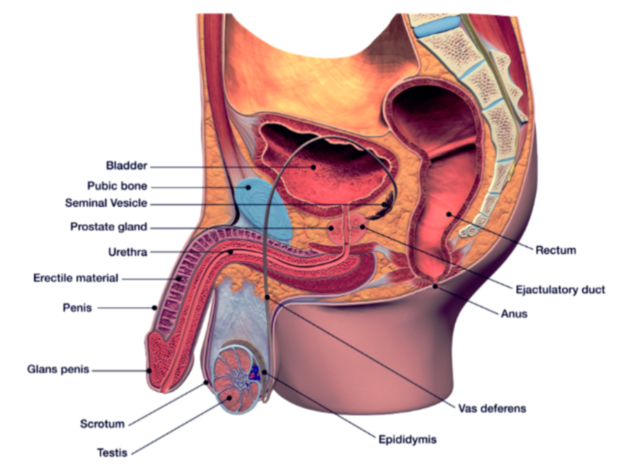
The Prostate Cancer Warrior's Conclusion:
Navigating the complexities of prostatectomy and its potential impact on sexual health requires courage and informed decision-making. By asking the right questions and understanding the risks and management options for erectile dysfunction, men can take control of their health journey.
It's crucial to remember that while ED can be a challenging side effect, it does not define a man's identity or worth. With the right support, treatments, and mindset, many men are able to regain their sexual function and maintain a fulfilling quality of life.
Empower yourself with knowledge, seek support from loved ones and healthcare professionals, and remember that you are not alone in this journey. Together, we can break the silence surrounding ED and ensure that every man facing prostatectomy has the tools to thrive beyond surgery.
About the Author
Scott Oliver, 66, is living well with prostate cancer after dedicating more than 4,000 hours to researching the condition. His first goal is to help men reduce their risk of developing prostate cancer through proven lifestyle strategies.
When diagnosed, his mission is to help men avoid unnecessary prostate surgeries that can lead to devastating complications such as incontinence, bleeding, permanent impotence, and a loss of length.
Scott Oliver is not a doctor and does not offer medical advice; however, he is healthier and fitter than he has been in decades. Through his articles and videos, he shares hard-to-find, uncensored information on proven alternative therapies, effective fitness methods, and repurposed drugs, content that most doctors won’t mention and search engines suppress.
He is an accredited member of the National Writers Union (NWU) and the International Federation of Journalists (IFJ), the world’s largest organization of professional journalists. Scott is also the author of What If Cancer’s Best Defense Is Free? Sleep as a Defense Against Cancer: A Former Royal Marines Commando’s 4,000-Hour Research Roadmap, where he reveals how sleep repairs DNA, restores immunity, and strengthens the body’s natural defenses against cancer.
You can always contact Scott Oliver here with your questions and suggestions.
Expert Sources Used To Write This Article:
- [1] Erectile Dysfunction after Radical Prostatectomy https://pmc.ncbi.nlm.nih.gov/articles/PMC5005072/
- [2] Sexual dysfunction after prostate surgery is more common than ... https://www.fredhutch.org/en/news/releases/2000/01/JAMAprostatectomy.html
- [3] Long term erectile function results of radical perineal prostatectomy https://www.elsevier.es/es-revista-revista-internacional-andrologia-262-articulo-long-term-erectile-function-results-S1698031X2200019X
- [4] Erectile dysfunction post-radical prostatectomy – a challenge for ... https://pmc.ncbi.nlm.nih.gov/articles/PMC5304365/
- [5] Erectile Dysfunction After Prostate Cancer | Johns Hopkins Medicine https://www.hopkinsmedicine.org/health/conditions-and-diseases/prostate-cancer/erectile-dysfunction-after-prostate-cancer
- [6] Management of functional outcomes after radical prostatectomy in ... https://www.nature.com/articles/s41443-023-00772-8
- [7] Prevalence of post-prostatectomy erectile dysfunction and a review ... https://www.nature.com/articles/s41443-020-00374-8
- [8] Urinary and Sexual Function After Radical Prostatectomy for ... https://jamanetwork.com/journals/jama/fullarticle/192307