A Robotic Surgeon Versus a Human Surgeon: What Should I Choose For My Prostate Cancer?
Prostate cancer is one of the most common cancers affecting men worldwide, and when it comes to treating localized prostate cancer, many patients face a crucial decision: Should I choose robotic-assisted surgery or traditional open surgery performed by a human surgeon?
To enjoy the audio version of 'A Robotic Surgeon Versus a Human Surgeon: What Should I Choose For My Prostate Cancer?', please click on the play button below.
With the rise of advanced medical technology, robotic surgery has become increasingly popular, especially for prostatectomies—the surgical removal of the prostate gland. In this article, we'll explore the key differences, advantages, disadvantages, and costs of each approach to help you make an informed decision.
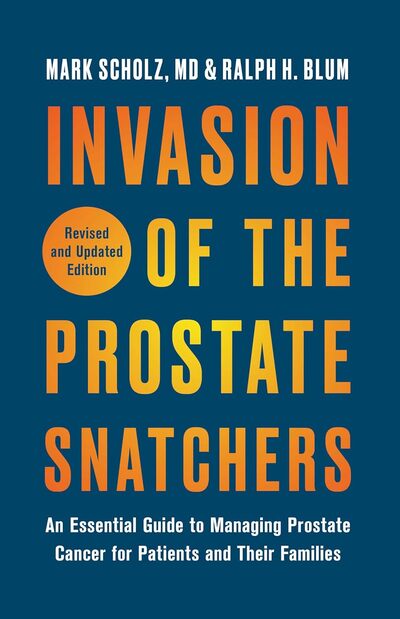
This discussion is inspired by insights from this highly recommended book Invasion of the Prostate Snatchers: An Essential Guide to Managing Prostate Cancer for Patients and Their Families by Mark Scholz, M.D. and Ralph H. Blum, which critically examines the rush to adopt new surgical technologies without sufficient experience and raises important questions about the best treatment options for prostate cancer patients.
The Origins of the da Vinci Surgical System
The da Vinci Surgical System was developed in the late 1990s by Intuitive Surgical, a California-based company. It was initially designed for cardiac surgery, particularly for performing coronary artery bypass procedures without the need to open the chest cavity.
The U.S. military also supported its development with the idea that it could enable surgeons to perform remote battlefield surgeries through telemedicine. However, this application did not materialize.
Recognizing challenges in cardiac surgery, Intuitive Surgical pivoted to urological applications, particularly prostate cancer surgery. The enhanced 3D visualization and fine motor control of the da Vinci system made it ideal for nerve-sparing prostatectomies, preserving urinary and sexual function more effectively than traditional open surgery.

Understanding Robotic Prostate Surgery
Robotic prostate surgery, also known as robot-assisted laparoscopic prostatectomy (RALP), is a minimally invasive procedure where a surgeon removes the prostate gland using a robotic system, most commonly the da Vinci Surgical System.
- The surgeon operates robotic arms and a high-definition 3D camera from a console, allowing for precise and controlled movements.
- Studies show that surgeons need at least 250 robotic procedures to reach proficiency and over 500 to achieve mastery. So before you agree to lie naked on the operating room table with your genitals exposed, you might want to ask your surgeon: ‘Exactly where are you on this learning curve?
Advantages and Disadvantages of Human Surgery vs. Robotic Prostate Surgery

What We Have Learned
This comparison highlights that while robotic prostate surgery offers significant advantages in terms of precision, recovery time, and functional outcomes, it comes at a higher cost and requires a surgeon with substantial experience.
In contrast, open prostate surgery is more cost-effective and allows for direct tactile feedback but involves a longer recovery and a higher risk of complications affecting urinary and sexual function.
Ultimately, the decision may come down to a balance between the desire for better functional outcomes and the cost, as well as the availability of an experienced robotic surgeon.
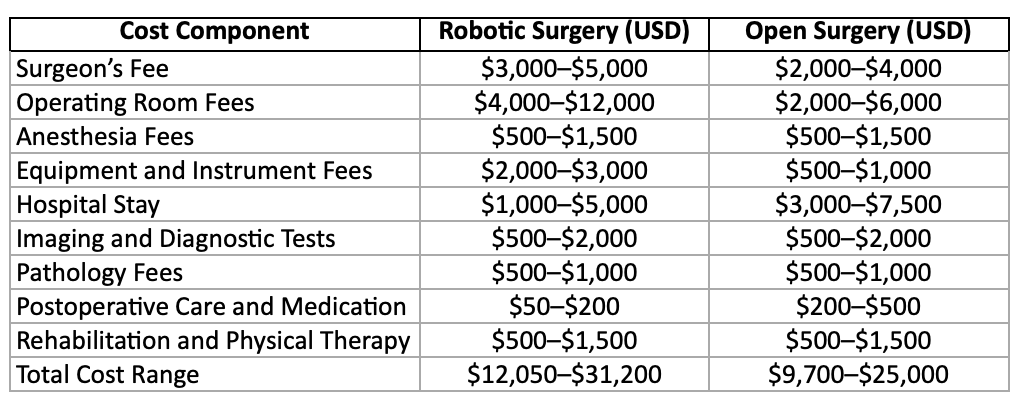
Detailed Cost Comparison: Robotic vs. Open Prostate Surgery
Final Thoughts: Which Should You Choose?
The decision between robotic and open prostate surgery depends on your priorities, the surgeon's expertise, and your financial situation.
Robotic surgery offers better functional outcomes, less pain, and faster recovery but comes at a higher cost and requires a highly experienced surgeon.
Consulting with a skilled surgeon who can explain the risks, benefits, and expected outcomes of each option is the best approach.
If you need help preparing questions for your surgeon or want to explore this topic further, we're here to help.
What To Do Now?
- Before You're Rushed Into Surgery, Radiation, or Hormone Therapy—Let’s Talk. See how to schedule a private prostate cancer clarity call with Scott Oliver here.
- Subscribe to Our Free Warriors Email Newsletter: Get the men's health insights your doctors and big pharmaceutical companies are hiding from you. Join our growing community of informed Warriors and take charge of your health—subscribe here today.
- Discover Quality Supplements For The Men in Your Life: Looking to boost your health, reignite your vitality, and feel your best? Explore our carefully selected, scientifically-backed supplements designed to support men's health, sexual vitality, and total wellness here.
About the Author
Scott Oliver, 66, is living well with prostate cancer after dedicating more than 4,000 hours to researching the condition. His first goal is to help men reduce their risk of developing prostate cancer through proven lifestyle strategies.
When diagnosed, his mission is to help men avoid unnecessary prostate surgeries that can lead to devastating complications such as incontinence, bleeding, permanent impotence, and a loss of length.
Scott Oliver is not a doctor and does not offer medical advice; however, he is healthier and fitter than he has been in decades. Through his articles and videos, he shares hard-to-find, uncensored information on proven alternative therapies, effective fitness methods, and repurposed drugs, content that most doctors won’t mention and search engines suppress.
He is an accredited member of the National Writers Union (NWU) and the International Federation of Journalists (IFJ), the world’s largest organization of professional journalists. Scott is also the author of What If Cancer’s Best Defense Is Free? Sleep as a Defense Against Cancer: A Former Royal Marines Commando’s 4,000-Hour Research Roadmap, where he reveals how sleep repairs DNA, restores immunity, and strengthens the body’s natural defenses against cancer.
You can always contact Scott Oliver here with your questions and suggestions.