Prostate Cancer: How to Replace Fear and Panic with Calm Confidence
Being diagnosed with prostate cancer can feel terrifying. The word "cancer" alone carries heavy emotional weight, instantly stirring anxiety, confusion, and fear. But here's something crucial you need to understand: prostate cancer is incredibly common and most cases are far less dangerous than you might think.
Prostate Cancer: A Normal Part of Aging
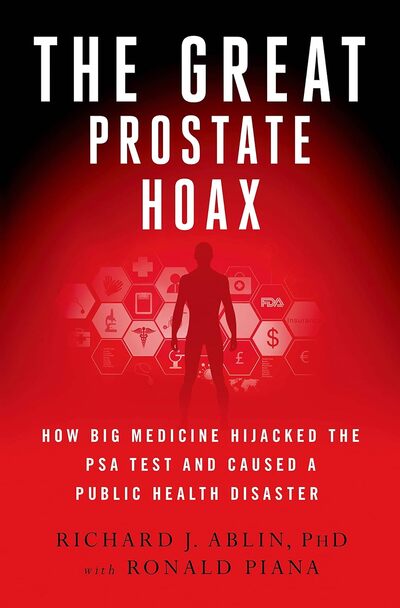
The truth, though surprising, is reassuring. Consider this statistic from the book The Great Prostate Hoax by Richard J. Ablin, PhD and Ronald Piana:
"Remember, prostate cancer is age related: autopsy studies show that men between the ages of 50 and 59 have a 45% chance of having prostate cancer. Men between the ages of 60 and 69 have a 65 per cent chance, regardless of their PSA score, of having prostate cancer." (p. 79)
What does this mean for you? Simply put, prostate cancer is so common as men age that it's practically a natural aspect of growing older, rather than a sudden health catastrophe.
Having Cancer Doesn't Mean You're in Immediate Danger
Most prostate cancers grow slowly, and many men never experience symptoms or any negative health effects. In fact, the vast majority of prostate cancers will never become life-threatening. Understanding this difference between "having prostate cancer" and "being at serious risk" is essential.
Doctors increasingly recommend a practice known as "active surveillance."
Instead of rushing into aggressive treatments like surgery or radiation—which carry significant side effects like incontinence, sexual dysfunction, and emotional distress—you and your doctor can choose to monitor your cancer closely without immediate action.
Understanding the PSA Test Controversy
Much of the fear around prostate cancer has been driven by PSA (Prostate-Specific Antigen) testing. Initially introduced to detect prostate cancer, PSA testing has unintentionally led to overdiagnosis and overtreatment.
According to Dr. Ablin, the creator of the PSA test, PSA alone doesn't reliably indicate whether a cancer is dangerous. Many men have undergone unnecessary invasive treatments because of elevated PSA levels, suffering needless anxiety and physical side effects.
The bottom line is that a high PSA result doesn't automatically mean aggressive cancer—nor does a low PSA score ensure total safety.
Take Back Control: What You Can Do Now
You don't have to panic or rush into decisions. Here are proactive steps to consider:
- Educate Yourself: Read reputable, evidence-based information. Understanding your condition empowers you to make informed choices.
- Consider Active Surveillance: Ask your doctor if active surveillance—careful monitoring without immediate treatment—is suitable for you.
- Lifestyle Adjustments: Positive changes in diet, exercise, stress management, and maintaining a healthy weight can help manage your prostate health.
- Get a Second Opinion: Before undergoing any invasive treatment, consult another trusted medical expert who understands current prostate cancer research and management strategies.

Questions to Ask Your Doctor
As you move forward, empower yourself by discussing these key questions with your healthcare provider:
1. How aggressive is my cancer likely to be?
2. Is active surveillance an appropriate choice for me?
3. What specific risks do aggressive treatments pose?
4. What lifestyle changes could positively affect my prostate health?
You're Not Alone, and You're Not Doomed
It's natural to feel fear, but prostate cancer isn't automatically a life sentence. It's a manageable condition for millions of men who live long, active, fulfilling lives. Take time to understand your condition, explore your options, and choose your next steps thoughtfully.
You have more power and control over your health than you might think. The reassuring truth is that you're not alone, and there's every reason to approach your future with hope and confidence.

About the Author
Scott Oliver, 66, is living well with prostate cancer after dedicating more than 4,000 hours to researching the condition. His first goal is to help men reduce their risk of developing prostate cancer through proven lifestyle strategies.
When diagnosed, his mission is to help men avoid unnecessary prostate surgeries that can lead to devastating complications such as incontinence, bleeding, permanent impotence, and a loss of length.
Scott Oliver is not a doctor and does not offer medical advice; however, he is healthier and fitter than he has been in decades. Through his articles and videos, he shares hard-to-find, uncensored information on proven alternative therapies, effective fitness methods, and repurposed drugs, content that most doctors won’t mention and search engines suppress.
He is an accredited member of the National Writers Union (NWU) and the International Federation of Journalists (IFJ), the world’s largest organization of professional journalists. Scott is also the author of What If Cancer’s Best Defense Is Free? Sleep as a Defense Against Cancer: A Former Royal Marines Commando’s 4,000-Hour Research Roadmap, where he reveals how sleep repairs DNA, restores immunity, and strengthens the body’s natural defenses against cancer.
You can always contact Scott Oliver here with your questions and suggestions.