If A Wife Withholds Sex From Her Husband, Is the Husband to Blame if He Strays?
How Hormones Rule Animals, Humans, and Relationships
From wild animals to modern humans, hormones drive far more behavior than most people realize. They shape sexual urges, social dynamics, emotional bonds, and even the silent suffering within marriage.
When hormonal needs go unmet, they often lead to restlessness, aggression, confusion, and moral dilemmas. Understanding these biological forces offers a clearer view of not just animal instincts, but also the emotional complexity behind strained human relationships.
I. The Animal Kingdom: Hormones in Overdrive
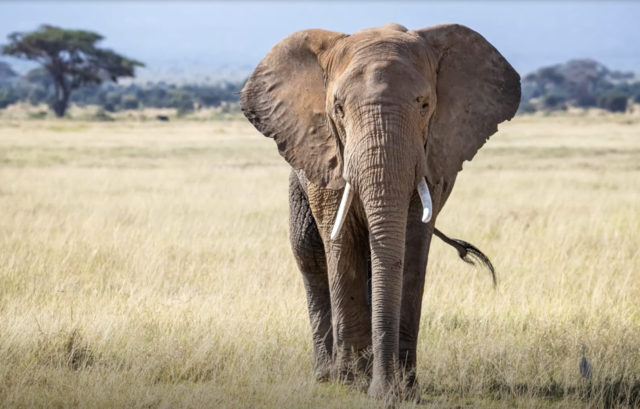
- Bull Elephants in Musth: Testosterone levels can surge up to 60 times their normal range during musth. The result? Aggression, erratic behavior, urine dribbling, and an unstoppable drive to mate. A bull in musth is dangerous—not out of malice, but because biology has taken over.
- Deer, Goats, and Camels in Rut: During mating seasons, testosterone turns bucks, rams, and male camels into single-minded creatures. They fight, stop eating, pace, mark territory, and act out—all in pursuit of mating. Frustration only heightens their erratic behaviors.
- Dolphins, Orangutans, and Lions: From dolphins forming alliances to control females, to orangutans forcibly mating when denied access, to lions killing cubs to bring females into heat—hormones often override rational behavior, turning courtship into combat.
- Domestic Animals Under Pressure: Unneutered dogs, stallions, and roosters exhibit behaviors like whining, pacing, aggression, and even mounting inanimate objects when denied a mate. Nature doesn't negotiate—it pushes.
II. Human Beings: Subtle But Still Ruled
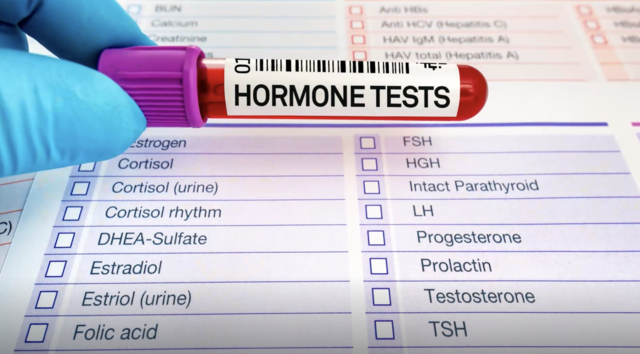
- Testosterone in Men: This hormone fuels libido, ambition, competitiveness, and risk-taking. When repressed or unmet, it can lead to frustration, compulsive behaviors, irritability, and emotional disconnection. The drive to be desired isn't shallow—it's biological.
- Estrogen, Progesterone, and Oxytocin in Women: These hormones regulate emotional depth, empathy, and bonding. Shifts throughout the menstrual cycle affect desire, mood, and relationship dynamics.
- Dopamine and the Reward Circuit: Dopamine is tied to motivation and pleasure—driving everything from sexual attraction to achievement. It fuels pursuit but can also lead to obsession when needs go unmet.
- Oxytocin: The Love Hormone: Released during intimacy, childbirth, and bonding, oxytocin deepens connection. Lack of it leads to loneliness and disconnection.
III. When Hormonal Needs Collide with Social Expectations
Sexual Frustration in Marriage: Let's look at one scenario: What happens when a man is stuck in a sexless marriage? If his wife keeps saying no to sex, is it really his fault if he looks elsewhere?
Many men feel rejected, confused, and invisible when intimacy disappears. For them, sex is not just physical—it's emotional validation. And when that connection is blocked, the biological drive doesn't vanish. It intensifies.
Some cultures acknowledge this reality and allow for alternatives. Others shame men unconditionally. A man may be pushed to cheat—not because he lacks morals, but because he's emotionally and biologically starved. Even then, many good men stay loyal, suffering in silence.

In some cases, women may use sex as leverage or punishment, shutting down intimacy without seeking solutions. This dynamic can trap men in guilt and frustration—blamed if they stay unhappy, blamed even more if they cheat.
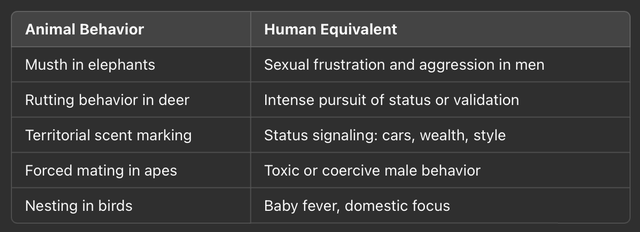
IV. Animal Parallels to Human Behavior
V. Conclusion: Understanding, Not Blaming
Hormones don't excuse behavior—but they explain it. When emotional and physical needs go unmet, men and women alike suffer. Instead of blaming, shaming, or suppressing these drives, we should work to understand them.
Whether it's a bull elephant in musth, a deer in rut, or a husband feeling invisible in his marriage—the message is the same: unmet needs create tension. Real healing begins when both partners stop pointing fingers and start asking, *what's really driving this behavior?*
About the Author
Scott Oliver, 66, is living well with prostate cancer after dedicating more than 4,000 hours to researching the condition. His first goal is to help men reduce their risk of developing prostate cancer through proven lifestyle strategies.
When diagnosed, his mission is to help men avoid unnecessary prostate surgeries that can lead to devastating complications such as incontinence, bleeding, permanent impotence, and a loss of length.
Scott Oliver is not a doctor and does not offer medical advice; however, he is healthier and fitter than he has been in decades. Through his articles and videos, he shares hard-to-find, uncensored information on proven alternative therapies, effective fitness methods, and repurposed drugs, content that most doctors won’t mention and search engines suppress.
He is an accredited member of the National Writers Union (NWU) and the International Federation of Journalists (IFJ), the world’s largest organization of professional journalists. Scott is also the author of What If Cancer’s Best Defense Is Free? Sleep as a Defense Against Cancer: A Former Royal Marines Commando’s 4,000-Hour Research Roadmap, where he reveals how sleep repairs DNA, restores immunity, and strengthens the body’s natural defenses against cancer.
You can always contact Scott Oliver here with your questions and suggestions.
Expert Resources Used To Research and Write This Article:
1. Elephant Musth and Testosterone
• Title: Musth in Elephants
• URL: https://nationalzoo.si.edu/animals/news/what-musth-elephants
2. Testosterone and Male Aggression in Animals
• Title: Testosterone and Aggression in Animals and Humans
• URL: https://www.ncbi.nlm.nih.gov/pmc/articles/PMC3726098/
3. The Biology of Rut in Deer
• Title: The Rut: White-tailed Deer Breeding Season
• URL: https://www.nps.gov/articles/000/the-rut.htm
4. Human Hormones and Sexual Behavior
• Title: The Role of Testosterone in Human Sexuality and Aggression
• URL: https://www.ncbi.nlm.nih.gov/pmc/articles/PMC1470658/
5. Oxytocin's Effect on Bonding and Relationships
• Title: The Role of Oxytocin in Human Behavior
• URL: https://www.ncbi.nlm.nih.gov/pmc/articles/PMC4010762/
6. Dopamine and the Reward System
• Title: The Dopamine Reward System: A Short Overview
• URL: https://www.ncbi.nlm.nih.gov/pmc/articles/PMC4826760/
7. Sexless Marriages and Relationship Psychology
• Title: The Silent Agony of Sexless Marriages
8. Biological Drives and Infidelity
• Title: Is Cheating in Our Genes?
• URL: https://www.scientificamerican.com/article/is-cheating-in-our-genes/
9. Hormones and Social Behavior
• Title: Hormones and Human Social Behavior
• URL: https://www.ncbi.nlm.nih.gov/pmc/articles/PMC3548359/