Why Living in Sync with Your Body Clock Can Help Men with Prostate Cancer Live Longer and Feel Better
If you've been told you have prostate cancer, you may already be thinking about your diet, exercise, and treatments.
But here's something you might not have heard:
Living in harmony with your body's internal clock—called your circadian rhythm—could help slow down cancer and improve your health.
This isn't some wild theory. It's backed by science. Your body works best when you eat, sleep, and move in sync with the natural rhythm of light and dark. And when you don't, it can increase stress, mess with your hormones, weaken your immune system—and possibly even make cancer worse.
Let's take a closer look.

Your Body Clock Isn't Just About Sleep
Your circadian rhythm controls when your body releases hormones, repairs cells, and fights off disease. These rhythms follow a 24-hour cycle, and they're linked to light, darkness, and daily habits.
Here's the key: when your rhythm is off—because of late nights, night shifts, eating late, or screen time at bedtime—your health can suffer.
One hormone that's affected is melatonin, which is made in the dark while you sleep. Melatonin has been shown to fight prostate cancer cells, reduce inflammation, and protect your DNA. But when you're up late under artificial lights, your body makes less of it.
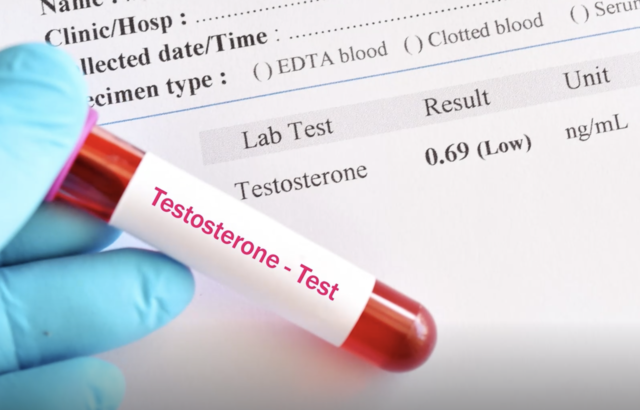
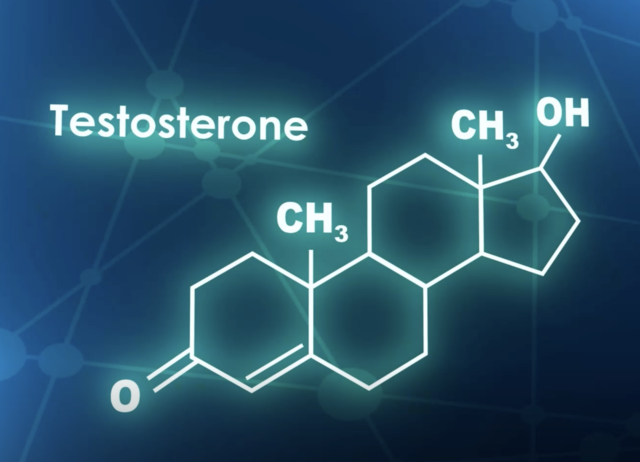
Prostate cancer also depends on testosterone and other hormones, and those follow a daily pattern too. Disrupting that pattern may make it easier for cancer to grow.

What the Research Shows
A major review of studies found that night shift workers have a 24% higher risk of getting prostate cancer. That's because their body clocks are constantly being disrupted.
Other studies found that men with higher nighttime melatonin levels were less likely to die from prostate cancer. In fact, one study in Iceland showed that men with low melatonin had four times the risk of advanced prostate cancer.
Some scientists now believe that circadian rhythm disruption is a key reason why prostate cancer is more common and more aggressive in modern society.
What You Can Do Right Now
You don't need pills or surgery to fix this. You just need to get back in sync with your natural rhythm.
Start by going to bed by 10 p.m. and waking up at the same time every day—even on weekends.
Get sunlight on your face within an hour of waking up. This helps reset your body clock.
Try to eat your meals earlier in the day and avoid snacking at night.
Turn off screens and dim your lights after sunset. This helps your brain make more melatonin.
If possible, avoid working late-night shifts or switching between time zones often. And if you do have to be up late, use blue light–blocking glasses and keep your lights dim.
The Prostate Warrior's Conclusion:
Prostate cancer is a serious battle—but your body already has powerful tools to fight back.
One of those tools is your circadian rhythm. When you live in sync with it, you sleep better, balance your hormones, strengthen your immune system—and possibly slow the cancer down.
This is about more than just surviving. It's about feeling more alive, more energetic, and more in control.
You don't need to be a scientist to understand this. You just need to listen to your body.
Live in rhythm. Live with purpose. Live like a warrior.

About the Author
Scott Oliver, 66, is living well with prostate cancer after dedicating more than 4,000 hours to researching the condition. His first goal is to help men reduce their risk of developing prostate cancer through proven lifestyle strategies.
When diagnosed, his mission is to help men avoid unnecessary prostate surgeries that can lead to devastating complications such as incontinence, bleeding, permanent impotence, and a loss of length.
Scott Oliver is not a doctor and does not offer medical advice; however, he is healthier and fitter than he has been in decades. Through his articles and videos, he shares hard-to-find, uncensored information on proven alternative therapies, effective fitness methods, and repurposed drugs, content that most doctors won’t mention and search engines suppress.
He is an accredited member of the National Writers Union (NWU) and the International Federation of Journalists (IFJ), the world’s largest organization of professional journalists. Scott is also the author of What If Cancer’s Best Defense Is Free? Sleep as a Defense Against Cancer: A Former Royal Marines Commando’s 4,000-Hour Research Roadmap, where he reveals how sleep repairs DNA, restores immunity, and strengthens the body’s natural defenses against cancer.
You can always contact Scott Oliver here with your questions and suggestions.
Expert Resources Used To Research This Article:
- Melatonin levels and risk of prostate cancer: A population-based prospective study in Iceland. https://academic.oup.com/jnci/article/107/4/dju257/893928
- Night shift work and risk of prostate cancer: a systematic review and meta-analysis. https://onlinelibrary.wiley.com/doi/full/10.1002/ijc.29508
- Circadian Disruption and Prostate Cancer: A Possible Link? – Cancer Causes & Control. https://link.springer.com/article/10.1007/s10552-008-9246-5
- The Role of Circadian Disruption in Cancer: Current Evidence and Research Needs – Cancer Epidemiology, Biomarkers & Prevention. https://aacrjournals.org/cebp/article/28/5/817/71747/The-Role-of-Circadian-Disruption-in-Cancer
- Melatonin inhibits prostate cancer cell proliferation and induces apoptosis – Cancer Letters. https://www.sciencedirect.com/science/article/abs/pii/S0304383517300984
- Shift Work and Prostate Cancer Risk: Meta-analysis – International Archives of Occupational and Environmental Health. https://link.springer.com/article/10.1007/s00420-018-1375-2