10 Best Things You Can Do to Avoid Prostate Cancer — or Any Cancer at All
Cancer doesn't strike overnight. In most cases, it builds slowly over time—cell by cell, mistake by mistake—until the body's defense systems get overwhelmed.
But what if you could tip the odds in your favor? What if you could make your body a place where cancer is less likely to grow, spread, or even start?
The truth is this: You can.
Experts estimate that up to 40–50% of all cancers are preventable, including many prostate cancers. It all starts with how you eat, move, sleep, think, and live.
These 10 practical strategies—backed by science and already used by thousands of long-living men around the world—give your body the best possible shot at staying cancer-free.
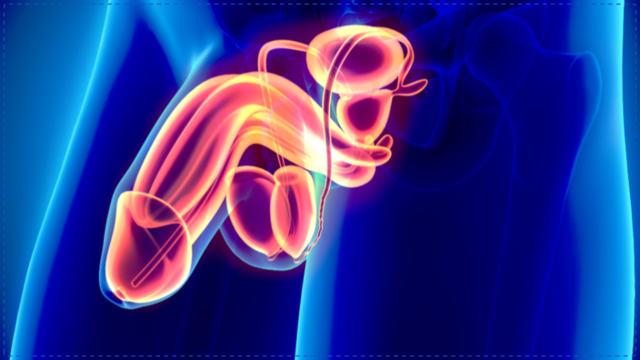
- Stay Lean — Especially Around the Belly.
Being overweight, especially with extra belly fat, increases your risk of aggressive prostate cancer and at least 13 other cancers. Visceral fat drives inflammation and hormone imbalance—two key ingredients for cancer.
Goal: Keep your waistline under 40 inches (102 cm) and your BMI in the healthy range. - Move Your Body Every Day.
Exercise doesn't just burn calories—it boosts immune surveillance, balances testosterone, and fights inflammation. Studies show that men who exercise regularly have a lower risk of both developing and dying from prostate cancer.
Aim for: 30–60 minutes of brisk walking, cycling, strength training, or swimming most days. - Eat Like a Cancer-Fighting Warrior.
Focus on colorful, anti-inflammatory whole foods: vegetables (especially cruciferous like broccoli), berries, turmeric, garlic, tomatoes (lycopene!), leafy greens, and healthy fats like olive oil. Avoid processed meats, sugar, and fried foods.
Many oncologists believe that your plate should be 80% plant-based and 100% real.

- Ditch Sugar and Ultra-Processed Junk.
Cancer cells love sugar. High blood sugar and insulin resistance feed tumor growth. Ditch sodas, white bread, and industrial seed oils (like soybean and corn oil). These inflame your system and raise your cancer risk.
Tip: If it comes in a box with a long ingredient list, leave it on the shelf. - Get Great Sleep — Every Night.
Poor sleep weakens your immune system and lowers melatonin, a hormone that protects against cancer. Even one week of sleep deprivation can disrupt genes involved in DNA repair.
Shoot for: 7–9 hours of uninterrupted sleep in a dark, quiet room. - Manage Stress Before It Manages You.
Chronic stress leads to chronic inflammation, high cortisol, insulin resistance, and suppressed immunity—setting the stage for disease. Relaxation is not a luxury. It's medicine.
Try: Deep breathing, journaling, nature walks, or any activity that calms your nervous system.
- Avoid Alcohol (or Keep It Minimal).
Alcohol is a Group 1 carcinogen (same as tobacco and asbestos). Even small amounts raise your risk of mouth, throat, liver, breast, and colon cancers. It also weakens your immune defenses.
Best bet: Avoid it. Or limit to no more than 2 drinks/week. - Protect Yourself from Infections.
Some cancers start with infections. HPV causes cervical and prostate cancers. Hepatitis B and C are linked to liver cancer. Parasites and viruses can hide inside cells and disrupt your DNA.
How to act: Get vaccinated, practice safe sex, and avoid undercooked meat or poor hygiene in food prep. - Detox Your Home and Environment.
You are exposed to thousands of chemicals daily—from plastics and pesticides to cleaning sprays and personal care products. Many act as endocrine disruptors, interfering with your hormones and potentially increasing cancer risk.
Swap out: Plastic containers, air fresheners, toxic cleaners, and chemically-laden skin products. - Find Meaning and Connection.
Men with strong social ties, faith, purpose, and inner peace live longer and suffer fewer chronic diseases. Loneliness, depression, and anger suppress immunity and worsen outcomes—even in cancer patients.
Simple but powerful: Laugh, love, hug, forgive, and make time for people who uplift you.
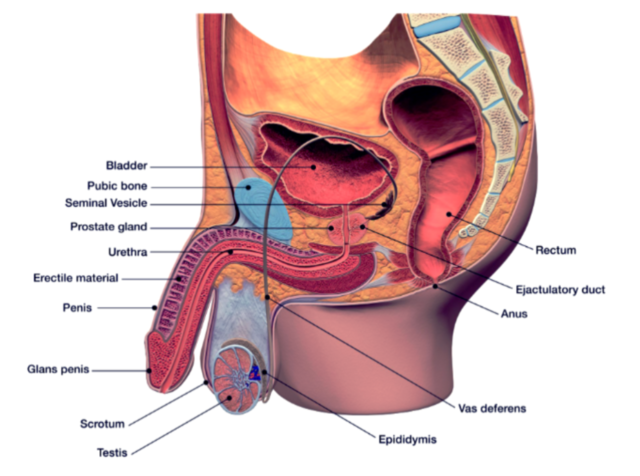
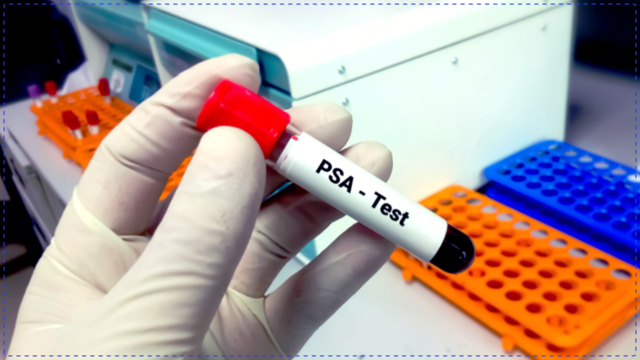
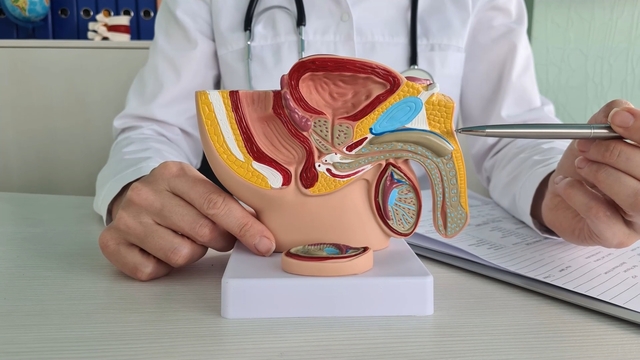
The Prostate Cancer Warrior's Conclusion:
Cancer isn't always preventable. But in many cases, it's not just bad luck or bad genes—it's how we live.
The beauty is this: You're not powerless. Every bite you eat, every walk you take, every night of good sleep, and every toxic habit you drop is a vote for life.
Start with one change today. Then keep going.
Because the best cancer treatment is never needing one in the first place.
About the Author
Scott Oliver, 66, is living well with prostate cancer after dedicating more than 4,000 hours to researching the condition. His first goal is to help men reduce their risk of developing prostate cancer through proven lifestyle strategies.
When diagnosed, his mission is to help men avoid unnecessary prostate surgeries that can lead to devastating complications such as incontinence, bleeding, permanent impotence, and a loss of length.
Scott Oliver is not a doctor and does not offer medical advice; however, he is healthier and fitter than he has been in decades. Through his articles and videos, he shares hard-to-find, uncensored information on proven alternative therapies, effective fitness methods, and repurposed drugs, content that most doctors won’t mention and search engines suppress.
He is an accredited member of the National Writers Union (NWU) and the International Federation of Journalists (IFJ), the world’s largest organization of professional journalists. Scott is also the author of What If Cancer’s Best Defense Is Free? Sleep as a Defense Against Cancer: A Former Royal Marines Commando’s 4,000-Hour Research Roadmap, where he reveals how sleep repairs DNA, restores immunity, and strengthens the body’s natural defenses against cancer.
You can always contact Scott Oliver here with your questions and suggestions.

Expert Resources Used To Research This Article:
- World Health Organization (WHO) — Cancer:
https://www.who.int/news-room/fact-sheets/detail/cancer - American Cancer Society — Cancer Prevention & Early Detection Facts:
https://www.cancer.org/research/cancer-facts-statistics/cancer-prevention-early-detection.html - World Cancer Research Fund — Diet, Nutrition, Physical Activity and Cancer: https://www.wcrf.org/dietandcancer/
- Harvard School of Public Health — The Nutrition Source:
https://www.hsph.harvard.edu/nutritionsource/ - CDC — Physical Activity and Cancer:
https://www.cdc.gov/cancer/dcpc/prevention/policies_practices/physical_activity.htm - National Cancer Institute — Obesity and Cancer Risk:
https://www.cancer.gov/about-cancer/causes-prevention/risk/obesity/obesity-fact-sheet - Mayo Clinic — Prostate Cancer Prevention:
https://www.mayoclinic.org/diseases-conditions/prostate-cancer/in-depth/prostate-cancer/art-20045685 - Cancer Research UK — Alcohol and Cancer Risk:
https://www.cancerresearchuk.org/about-cancer/causes-of-cancer/alcohol-and-cancer - American Institute for Cancer Research (AICR) — Foods that Fight Cancer:
https://www.aicr.org/cancer-prevention/food-facts/ - NIH — Sleep and Health:
https://www.ncbi.nlm.nih.gov/pmc/articles/PMC2656292/