The STI Most Men Don’t Know They Have And Why It Could Be a Silent Trigger for Prostate Cancer
Most people have never heard of it. Others think it's no big deal. But there's a little-known sexually transmitted infection that could be quietly harming men's health in ways far more serious than anyone expected.
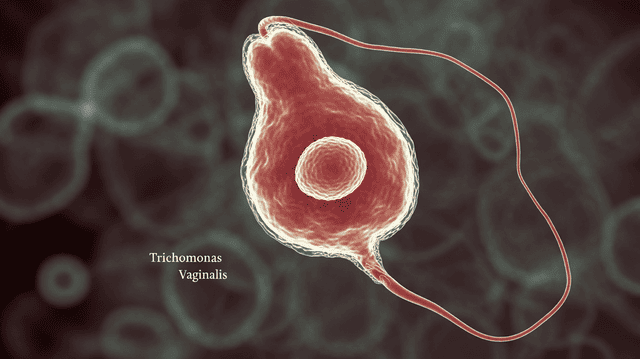
It's called Trichomonas vaginalis and it might be doing more than causing a mild infection. New research suggests it could be linked to prostate cancer in some men.

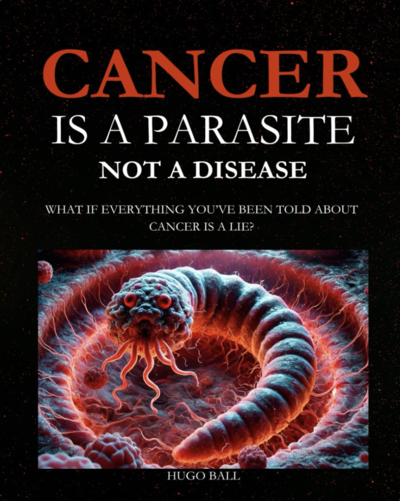
Russian chemist Tamara Lebedewa challenges mainstream cancer theory by claiming that cancer is not self-originating, but caused by a parasite, specifically the aggressive trichomonad.
If true, this would make cancer preventable and treatable through antiparasitic methods. Her book revives rejected scientific ideas and proposes a natural therapy to reduce cancer risk and restore hope.
So What is Trichomonas Vaginalis?
It's a tiny parasite. You can't see it and most men who have it don't feel anything at all. No symptoms. No pain. No warning signs. But just because it's quiet doesn't mean it's harmless.
This parasite causes an infection called trichomoniasis. It spreads through sexual contact, especially vaginal sex. While women are more likely to show symptoms, most infected men don't even know they have it. That's what makes it dangerous.
It hides inside the male body and can live in the urethra, under the foreskin, and most importantly, inside the prostate gland.
And that's where the trouble starts.
When this parasite reaches the prostate, it can cause a low-level, long-lasting inflammation. You might not feel anything, but your body knows something is wrong. Over time, this quiet inflammation can begin to wear down healthy prostate cells.
Doctors have known for years that long-term inflammation is one of the warning signs of cancer. It's like a fire that never quite goes out. It smolders. And over time, it damages healthy tissues and makes it easier for cancer cells to grow.

That's exactly what researchers are starting to believe happens with Trichomonas vaginalis.
In one important study from Harvard, men who had been exposed to the parasite were more likely to get aggressive prostate cancer later in life.
Other lab studies show that this parasite doesn't just sit there. It actually interferes with how prostate cells work. It damages the DNA. It interrupts normal growth patterns. It can even weaken the body's natural ability to fight off abnormal cells.
No one is saying Trichomonas vaginalis is the only cause of prostate cancer. But in some men, especially those with other risks, it may be a trigger. It may be the match that lights the fire.
What's most worrying is how easy it is to miss. Because most men feel fine, they never get tested. They never even think about it. That means they might be living with a low-level prostate infection for years without knowing. And while it's there, it could be fueling inflammation and possibly contributing to bigger problems down the road.
The Prostate Cancer Warrior's Conclusion:
Here's the good news. It's easy to test for. A simple urine test or swab can show if you've been infected. And it's easy to treat. A single dose of antibiotics — usually metronidazole or tinidazole — can wipe it out. But you and your partner both need treatment. Otherwise, you'll just pass it back and forth.
Protecting your prostate isn't just about diet and exercise. It's also about being smart when it comes to sexual health. If you've had unprotected sex or have had multiple partners, get tested. Don't wait for symptoms.
Don't assume everything's fine. Silent infections like Trichomonas vaginalis could be creating silent damage.
This tiny parasite may not make a lot of noise. But in some men, it could be whispering the early warning signs of something much more serious.
Take care of your body. Take care of your prostate. And don't ignore what you can't see.
About the Author
Scott Oliver, 66, is living well with prostate cancer after dedicating more than 4,000 hours to researching the condition. His first goal is to help men reduce their risk of developing prostate cancer through proven lifestyle strategies.
When diagnosed, his mission is to help men avoid unnecessary prostate surgeries that can lead to devastating complications such as incontinence, bleeding, permanent impotence, and a loss of length.
Scott Oliver is not a doctor and does not offer medical advice; however, he is healthier and fitter than he has been in decades. Through his articles and videos, he shares hard-to-find, uncensored information on proven alternative therapies, effective fitness methods, and repurposed drugs, content that most doctors won’t mention and search engines suppress.
He is an accredited member of the National Writers Union (NWU) and the International Federation of Journalists (IFJ), the world’s largest organization of professional journalists. Scott is also the author of What If Cancer’s Best Defense Is Free? Sleep as a Defense Against Cancer: A Former Royal Marines Commando’s 4,000-Hour Research Roadmap, where he reveals how sleep repairs DNA, restores immunity, and strengthens the body’s natural defenses against cancer.
You can always contact Scott Oliver here with your questions and suggestions.
Expert Resources Used By Scott Oliver To Research and Write This Article:
- The Origins of Cancer: A Russian Researcher's Astonishing Discoveries — A controversial historical account exploring alternative hypotheses about how cancers begin and spread. Open resource
- Trichomonas vaginalis Infection and Prostate Cancer Risk (JNCI, 2012) — Epidemiologic study assessing whether T. vaginalis exposure is associated with increased prostate cancer risk. Open resource
- Trichomonas vaginalis: Clinical Relevance in Men (CID, 2003) — Review summarizing pathogenesis, diagnosis, and implications of T. vaginalis infection in male patients. Open resource
- T. vaginalis Infection and Inflammation in Prostate Cancer Development (Microbes & Infection, 2013) — Research article linking protozoal infection–driven inflammation with mechanisms relevant to prostate carcinogenesis. Open resource
- The Role of Inflammation in Prostate Cancer (Nat Rev Urol, 2012) — Scholarly review detailing how chronic inflammation contributes to prostate cancer initiation and progression. Open resource
- CDC Trichomoniasis Fact Sheet — U.S. public-health guidance on transmission, symptoms, testing, and treatment of trichomoniasis. Open resource
- WHO: Sexually Transmitted Infections — Key Facts — Global overview of STI prevalence, burden, and prevention strategies, including trichomoniasis. Open resource