
How Much Penis Shrinkage Happens After Prostate Surgery, and What Men Can Do About It
For many men, one of the most upsetting surprises after prostate surgery is not only erectile dysfunction or urinary leakage. It is the sudden feeling that the penis has become shorter, thinner, or somehow less substantial than before.
Some men notice it almost immediately. Others become aware of it more gradually, especially when erections do not return as quickly or as fully as they hoped.
This subject is still not discussed openly enough. Yet for many men, it matters deeply. It affects confidence, body image, intimacy, and the private sense of what it means to still feel like yourself after cancer treatment.
If a man feels shocked, discouraged, or even angry after noticing these changes, he is not being vain. He is reacting to something real.
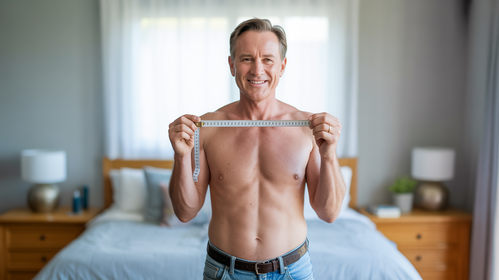
Yes, Penile Shrinkage After Prostate Surgery Can Be Real
Many men report some degree of penile shortening after radical prostatectomy. In some cases, the change appears quickly after surgery. In other cases, it becomes more obvious over the following months if erections remain weak, infrequent, or absent. Some men also notice reduced girth, not only reduced length.
Even a small loss can feel significant. A change of one or two centimeters may not sound dramatic to a surgeon discussing cancer control, but to the man living with that change every day, it can feel very personal and very distressing.
Why This Happens
There is no single explanation, but the general pattern is well understood. After prostate surgery, many men experience a sudden drop in erectile function. When the penis is no longer getting regular, full erections, the tissue may receive less oxygen-rich blood, become less elastic, and gradually lose some of its previous fullness and stretch.
That is one reason penile shortening is often linked not only to the surgery itself, but also to the erectile dysfunction that frequently follows it. In simple English, when the penis is not being regularly expanded and filled the way it was before, the tissue may begin to contract, stiffen, and lose some of its prior dimensions.
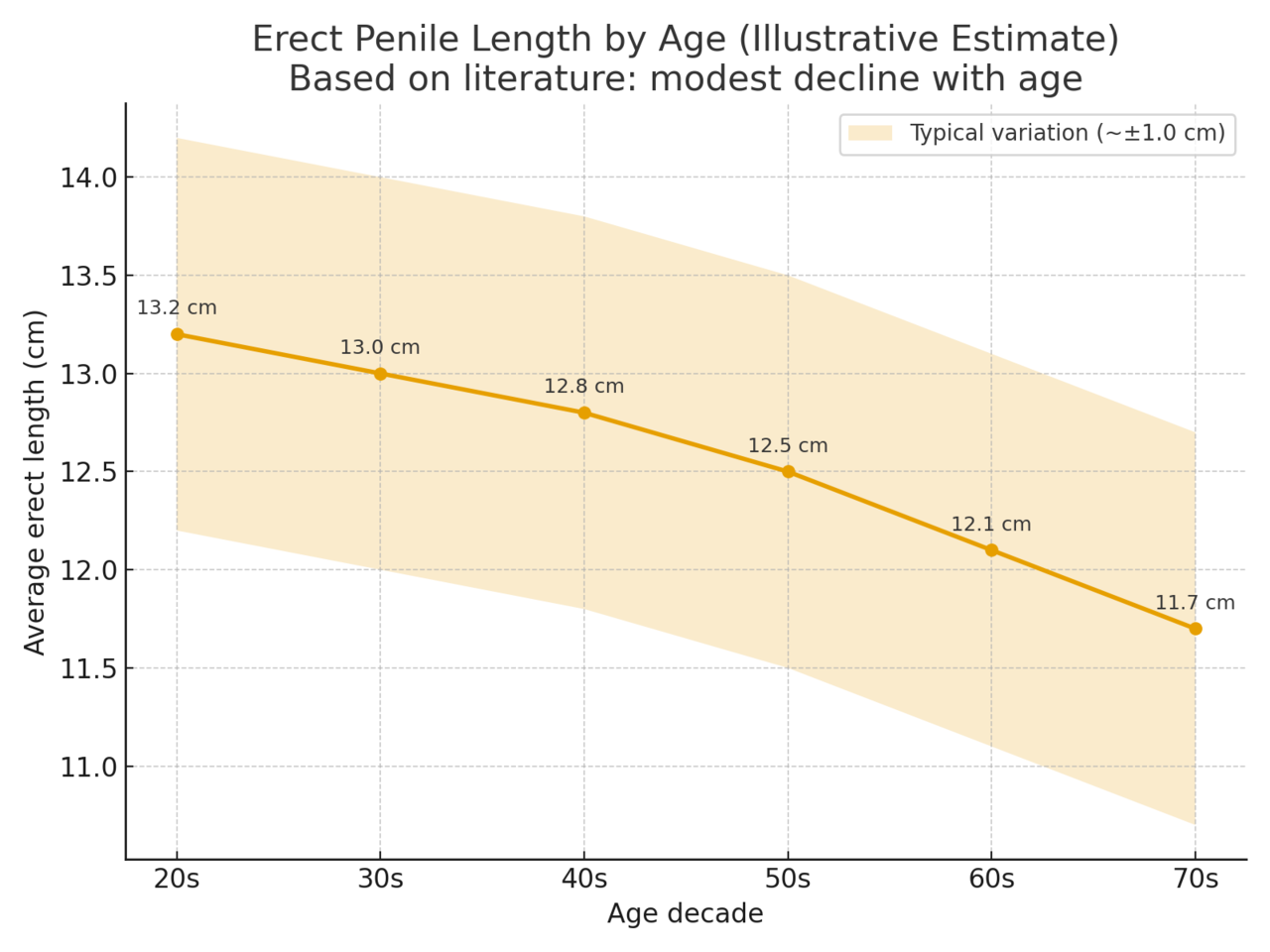
It Is Not Only About Length
Many men focus on length because that is the most obvious and emotionally charged issue. But girth can change too. Some men say the penis feels narrower, less full, or less substantial during erection, even if they are not sure exactly how to describe it. That loss of fullness can be just as troubling as reduced length.
This is one reason the phrase “penile shrinkage” can be more accurate than simply talking about shortening. The change may involve overall tissue quality, erection quality, length, and girth all at the same time.
Most Men Were Never Properly Warned
One of the most common frustrations men express after treatment is simple: nobody explained this clearly enough beforehand. They may have been told about incontinence and erectile dysfunction, but not in a way that made the possible physical changes to the penis feel real and immediate.
That lack of preparation can make the emotional impact even worse. A man may be willing to go through difficult treatment if it gives him the best chance of controlling or removing the cancer. But he still deserves honesty. He deserves to know that changes in sexual function and penile size are possible, and that these are not imaginary complaints or trivial concerns.
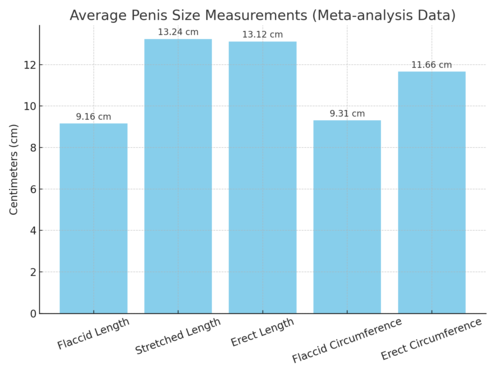
What Size Is Normal in the First Place?
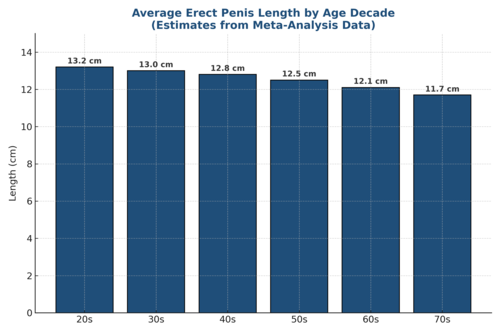
Before talking about shrinkage, it helps to remember something else important: many men are more normal than they think. A large number of men spend years worrying that they are too small when, in reality, they are well within the ordinary range. The fact is that about 85% of men have an erect penis of less than six inches with a girth of around 3.5 inches.
Too many men compare themselves to pornography, exaggerated stories, or highly selective online images. That creates unnecessary insecurity. So if a man notices change after surgery, it helps to separate two very different questions. First, what was normal to begin with? Second, what changed after treatment? Those are not the same issue.
Weight, Fat Pad, And Visibility Also Matter
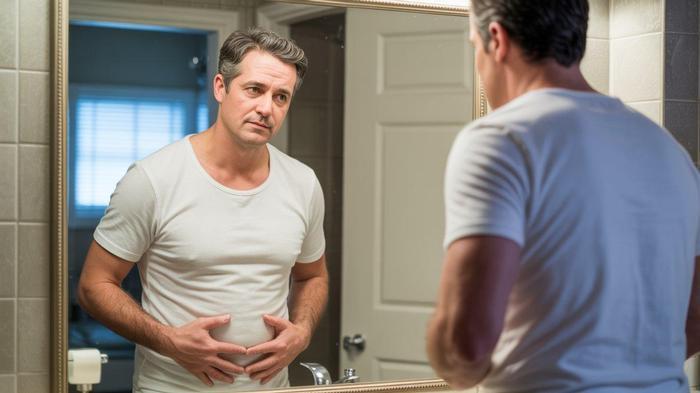
Another detail that is often overlooked is that not all “loss” is true loss of penile tissue. In some men, excess fat over the pubic bone can bury part of the shaft and make the penis look shorter than it really is. This becomes even more noticeable after surgery, especially if erections are weaker.
That means some men may improve visible length, and sometimes functional length, by losing weight and reducing the tissue that hides part of the penis. Trimming pubic hair can also improve visibility. These changes do not create new tissue, but they can make a meaningful difference in appearance and confidence.
What Men Can Do About It
The good news is that this is not always a hopeless situation. There are non-surgical strategies that may help preserve or recover some of what has been lost. The key is to act early, stay realistic, and focus on approaches with a sensible safety profile.
One of the main options discussed by specialists is penile traction therapy. This involves using a medical device that applies controlled stretching force over time. The idea is not to force dramatic change overnight, but to gently encourage the tissue to maintain or recover length. Some specialists now view traction as one of the more promising tools for men trying to regain some of what was lost after surgery.
Another option often discussed is the vacuum erection device, sometimes called a vacuum pump. Used properly, it may help encourage blood flow, stretch the tissues, and support penile rehabilitation after treatment. It is not magic, and it does not reverse every problem, but it may help some men maintain tissue health and reduce the extent of contraction over time.
Why Early Action Matters
When penile tissue remains underused for months, it may become harder to recover what has been lost. That is why early rehabilitation matters. A man does not need to panic, but he should not assume that doing nothing for a year and then finally asking questions will produce the same outcome as starting a sensible rehabilitation plan much sooner.
This is one area where a knowledgeable urologist or sexual medicine specialist can make a real difference. Men need practical, specific advice, not vague reassurance and certainly not internet nonsense.
Be Careful With Wild Claims Online
The internet is full of bizarre promises, miracle devices, and exaggerated claims about penis enlargement. Much of it is nonsense. Some of it is dangerous. Men who feel vulnerable after prostate surgery are easy targets for marketers selling fantasy.
That is why safety has to come first. A treatment should not be judged only by whether it sounds exciting or whether one man on a forum claims it changed his life. The real questions are whether it is reasonably safe, whether it has credible evidence behind it, and whether the person recommending it understands both the possible benefits and the possible harms.
Some Men Need Reassurance, Others Need Rehabilitation
Not every man who worries about penile shrinkage is dealing with the same problem. Some mainly need reassurance that they are still within a normal range. Others have experienced a genuine physical change after surgery and need active rehabilitation. Still others are dealing with a mix of body image concerns, erectile dysfunction, and reduced confidence.
That is why this subject should be approached with honesty and without ridicule. Men do not need to be mocked for caring. They need accurate information, realistic hope, and safe options.

The Bottom Line
Yes, penile shrinkage after prostate surgery can happen. It may affect length, girth, or both. For some men, the change is modest. For others, it feels profound. Either way, it is real enough that it deserves to be discussed before treatment, not discovered afterward in shock.
Men should also know that there may be practical ways to respond. Weight loss may improve visible length in some men. Penile traction therapy may help recover some lost length. Vacuum devices may support rehabilitation and tissue health. None of these options should be oversold, but neither should men be left to believe that nothing can be done.
The most important first step is simple: tell men the truth. Tell them what can happen, why it happens, and what they may be able to do about it. That conversation alone would save many men a great deal of confusion, distress, and unnecessary silence.
About the Author
Scott Oliver, 66, is living well with prostate cancer after dedicating more than 4,000 hours to researching the condition. His first goal is to help men reduce their risk of developing prostate cancer through proven lifestyle strategies.
When diagnosed, his mission is to help men avoid unnecessary prostate surgeries that can lead to devastating complications such as incontinence, bleeding, permanent impotence, and a loss of length.
Scott Oliver is not a doctor and does not offer medical advice; however, he is healthier and fitter than he has been in decades. Through his articles and videos, he shares hard-to-find, uncensored information on proven alternative therapies, effective fitness methods, and repurposed drugs, content that most doctors won’t mention and search engines suppress.
He is an accredited member of the National Writers Union (NWU) and the International Federation of Journalists (IFJ), the world’s largest organization of professional journalists. Scott is also the author of What If Cancer’s Best Defense Is Free? Sleep as a Defense Against Cancer: A Former Royal Marines Commando’s 4,000-Hour Research Roadmap, where he reveals how sleep repairs DNA, restores immunity, and strengthens the body’s natural defenses against cancer.
You can always contact Scott Oliver here with your questions and suggestions.