Salt: The Little Rock That Shaped the World — And Why It Still Matters for Men’s Health
When you think about salt, you probably think about a simple seasoning sitting on your kitchen table. But for most of history, salt was a treasure — a powerful force that built empires, started wars, and moved the world.
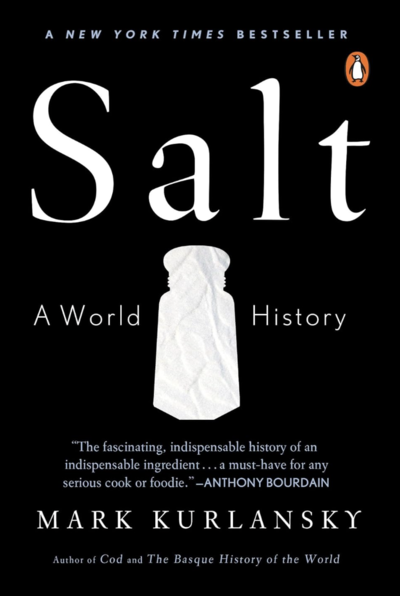
In his fascinating book Salt: A World History, Mark Kurlansky shows how something as ordinary as salt changed human civilization forever. From ancient Egypt to the British Empire, salt was once so valuable that people used it as money.
Soldiers were paid in salt - it's where the word 'salary' comes from - and cities rose to power because they controlled salt routes, and kings taxed it to fill their treasuries.
Salt wasn't just for flavor. Before refrigeration, salt was the key to survival. It preserved meat, fish, and vegetables so people could eat all year round. Without it, armies would have starved, explorers couldn't have traveled far, and cities would have stayed small and local.
Religions, too, gave salt a special place. It stood for purity and loyalty. To “be worth your salt” meant you were trustworthy and valuable — a phrase we still use today.
But over time, things changed. As modern technology made food easier to store and transport, salt's power faded. Today it's cheap and easy to get. But it's still just as important to your health — and, if you're a man dealing with prostate cancer, salt is something you should think about carefully.
Why Salt Still Matters — Especially for Men with Prostate Cancer
Salt isn't just a flavor boost. It's a critical part of your body's inner workings. Your muscles, nerves, and heart all need the right amount of salt to function properly.
But too much salt — especially from processed foods like chips, canned soups, and frozen meals — can cause trouble. It can push your blood pressure higher, stress your kidneys, and stir up inflammation in your body. And that's bad news if you're fighting prostate cancer.
Here's why:
1. Healthy Blood Flow Is Critical
Men with prostate cancer — especially those recovering from surgery or treatments — need strong blood circulation. High blood pressure from too much salt can choke off healthy blood flow, making recovery harder and hurting sexual health, too.
2. Kidneys Are Already Working Hard
Prostate cancer treatments like hormone therapy or radiation can put extra strain on your kidneys. A salty diet makes their job even harder, increasing the risk of kidney problems down the road.
3. Inflammation Fuels Cancer
Studies show that chronic inflammation can help cancer grow and spread. A diet overloaded with refined salt and junk food can create more inflammation in your body — the last thing you want when you're battling prostate cancer.
How to Be Smart About Salt
• Don't cut it out completely.
Your body needs some salt to survive and stay strong.
• Skip the processed junk.
Most of the salt that harms your body hides in processed and packaged foods — not in the saltshaker at home.
• Choose better salt.
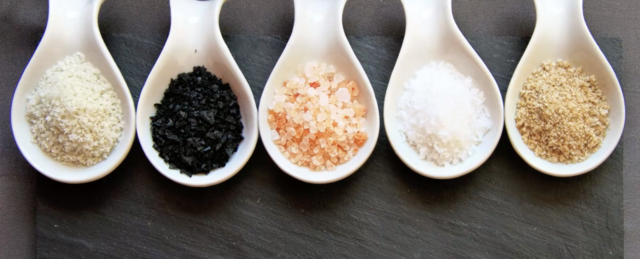
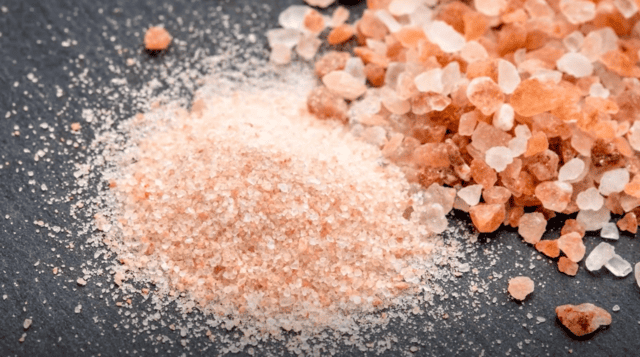
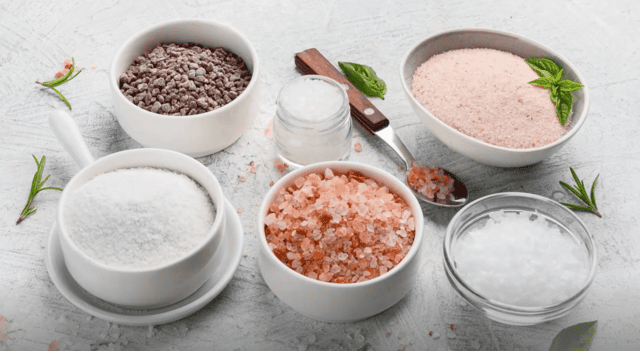
Natural salts like sea salt or Himalayan pink salt have extra minerals that refined white salt doesn't.
• Eat real food.
Fresh vegetables, fruits, nuts, seeds, fish, and lean meats naturally balance your body's salt needs.
The Prostate Warrior's Conclusion:
Salt built civilizations, fed armies, and powered empires — and it still plays a vital role in your health today.
If you're living with prostate cancer, managing your salt wisely can help you protect your heart, support your kidneys, and reduce inflammation.
It's not about fear. It's about using salt the smart way — just like our ancestors once did when survival depended on it.
Eat well, choose fresh, and respect the little rock that changed the world.
About the Author
Scott Oliver, 66, is living well with prostate cancer after dedicating more than 4,000 hours to researching the condition. His first goal is to help men reduce their risk of developing prostate cancer through proven lifestyle strategies.
When diagnosed, his mission is to help men avoid unnecessary prostate surgeries that can lead to devastating complications such as incontinence, bleeding, permanent impotence, and a loss of length.
Scott Oliver is not a doctor and does not offer medical advice; however, he is healthier and fitter than he has been in decades. Through his articles and videos, he shares hard-to-find, uncensored information on proven alternative therapies, effective fitness methods, and repurposed drugs, content that most doctors won’t mention and search engines suppress.
He is an accredited member of the National Writers Union (NWU) and the International Federation of Journalists (IFJ), the world’s largest organization of professional journalists. Scott is also the author of What If Cancer’s Best Defense Is Free? Sleep as a Defense Against Cancer: A Former Royal Marines Commando’s 4,000-Hour Research Roadmap, where he reveals how sleep repairs DNA, restores immunity, and strengthens the body’s natural defenses against cancer.
You can always contact Scott Oliver here with your questions and suggestions.

Expert Resources Used To Research This Article:
- Salt: A World History by Mark Kurlansky. https://www.penguinrandomhouse.com/books/94610/salt-by-mark-kurlansky/
- Harvard Health Publishing – How salt affects your blood pressure. https://www.health.harvard.edu/heart-health/how-salt-affects-your-blood-pressure
- Centers for Disease Control and Prevention (CDC) – Sodium and Your Health. https://www.cdc.gov/salt/index.htm
- National Kidney Foundation – How Salt Affects Your Kidneys. https://www.kidney.org/atoz/content/salt_how_much
- Journal of the National Cancer Institute – Inflammation and Cancer. https://academic.oup.com/jnci/article/106/5/dju036/1018750
- Prostate Cancer Foundation – Nutrition and Prostate Health. https://www.pcf.org/about-prostate-cancer/prostate-cancer-nutrition/
- American Heart Association – Hidden Salt in Processed Foods. https://www.heart.org/en/healthy-living/healthy-eating/eat-smart/sodium/how-much-sodium-should-i-eat-per-day