What the Doctors Don’t Tell You About C-Sections—And Why It Matters for Mothers and Their Babies.
If you're pregnant or planning to be, you've probably heard the phrase “We'll do a C-section if necessary.” It sounds reassuring—modern medicine at the ready, just in case.
But what most doctors don't explain is just how common C-sections have become, how much they cost, and how much both you and your baby may miss out on when birth is turned into surgery.
Let's pull back the curtain.
C-Sections Are No Longer Rare—They're the Norm
Back in 1970, only about 5% of U.S. babies were born via cesarean. Today? More than 1 in 3. That's a 600% increase in just a few decades.
Some C-sections are necessary and life-saving. But many are not. In fact, the World Health Organization says only 10–15% of births medically require surgical delivery. So why are we cutting so many babies out of the womb instead of helping them through the birth canal?
It often comes down to hospital policy, convenience, and legal fear—not maternal or fetal health.
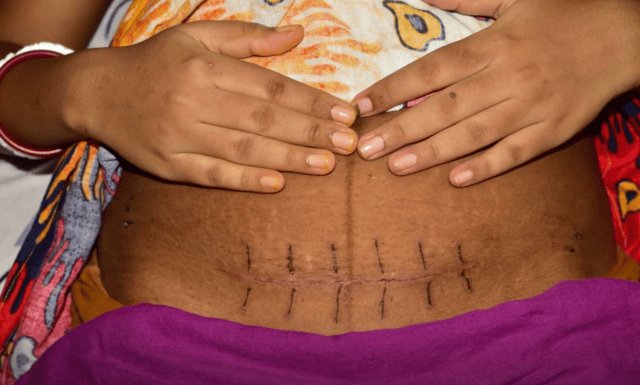
The Hidden Price of a “Just in Case” C-Section
Here's something else they rarely tell you: C-sections are expensive. In the U.S., the average vaginal birth costs $10,000 to $15,000 before insurance. A C-section? $15,000 to $25,000 or more. And that doesn't include additional costs for NICU care if complications arise.
Even with insurance, out-of-pocket costs are higher, and so are the long-term risks.
Hospitals and doctors are paid more for performing C-sections. In a system that rewards procedures over patience, the scalpel often wins.
What the Baby Misses
When a baby is born vaginally, it experiences a powerful physiological journey:
• The skull molds and the spine aligns naturally during passage through the birth canal.
• A surge of stress hormones prepares the lungs to breathe, clears fluid from airways, and primes the immune system.
• Exposure to the mother's vaginal and gut microbiome seeds the baby's digestive and immune health.
• Skin-to-skin contact and early breastfeeding usually happen immediately after birth.
C-section babies miss much of this. They are more likely to have breathing issues, altered microbiomes, and delayed bonding and breastfeeding.
And if the C-section is scheduled before labor even begins, the baby doesn't receive the hormonal signal that it's time to transition to life outside the womb.
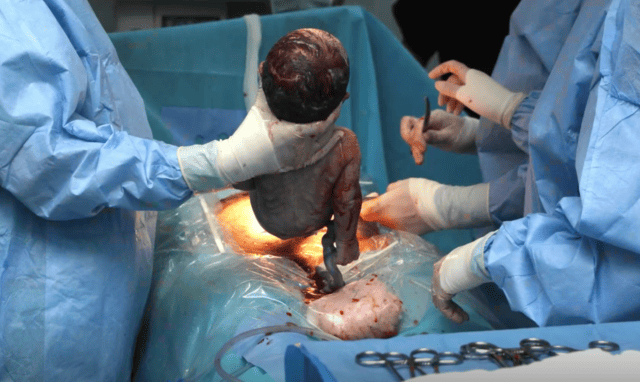
What the Mother Misses
A vaginal birth is more than just a physical act—it's a deeply emotional and hormonal experience. The mother's body releases a natural sequence of hormones:
• Oxytocin for bonding
• Endorphins for pain relief and emotional highs
• Prolactin to stimulate milk production
C-sections, especially those not preceded by labor, often blunt this cascade. Many women report feeling disconnected or even emotionally flat after surgical birth.
Then there's the recovery. C-sections are major abdominal surgeries. Recovery time is longer, there's more pain, and a higher risk of infection or complications.
The Domino Effect of Repeat C-Sections
Once a woman has a C-section, she is far more likely to have another. Many hospitals discourage vaginal birth after cesarean (VBAC), despite growing evidence that it is safe in many cases.
Each additional surgery increases risks—placenta complications, fertility issues, uterine rupture, and more difficult recoveries.
So one unnecessary C-section can lead to a lifetime of avoidable interventions.
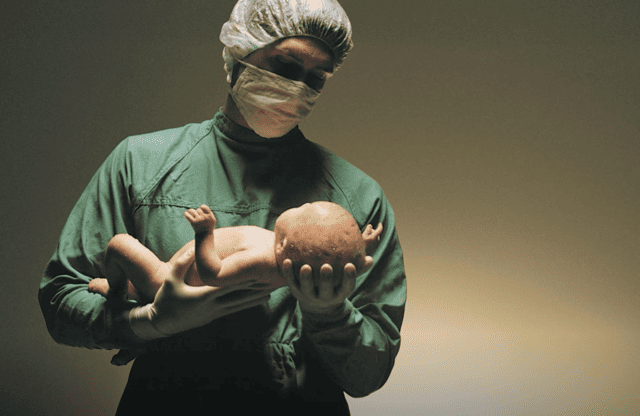
Can You Still Have a Healthy Baby After a C-Section?
Yes, absolutely. Many babies born this way are healthy, thriving, and loved deeply. And sometimes, surgery truly is the safest path.
But too often, C-sections happen not out of medical necessity, but because the system is designed that way—driven by efficiency, risk aversion, and profit.
That's why mothers deserve to be informed—fully and honestly—before the decision is made.
What You Can Do
• Choose a provider who supports natural birth and has low C-section rates.
• Ask questions about policies and alternatives—don't assume surgery is your only option.
• If you've had a previous C-section, explore VBAC with a supportive provider.
• Ask for skin-to-skin contact and delayed cord clamping even during a C-section.
• Learn about “gentle” or “family-centered” cesareans that include bonding practices.
• Be your own advocate. Don't wait for someone else to protect your birth experience.
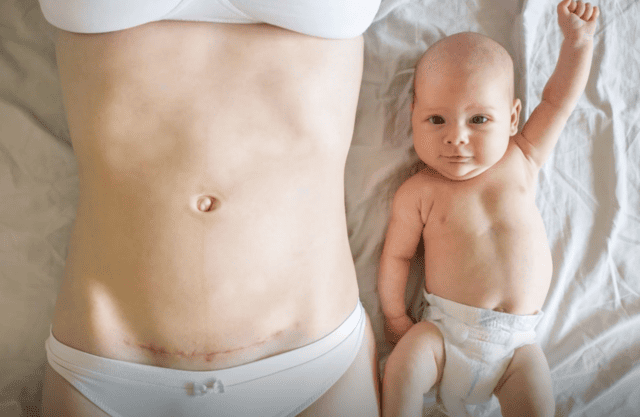
Final Thoughts
C-sections are a vital medical option when truly needed. But when overused, they can rob both mother and baby of something sacred: the natural rhythm, hormonal magic, and primal connection of birth.
The more you know, the more empowered you are to make choices that honor your body, your baby, and the experience you both deserve.
About the Author
Scott Oliver, 66, is living well with prostate cancer after dedicating more than 4,000 hours to researching the condition. His first goal is to help men reduce their risk of developing prostate cancer through proven lifestyle strategies.
When diagnosed, his mission is to help men avoid unnecessary prostate surgeries that can lead to devastating complications such as incontinence, bleeding, permanent impotence, and a loss of length.
Scott Oliver is not a doctor and does not offer medical advice; however, he is healthier and fitter than he has been in decades. Through his articles and videos, he shares hard-to-find, uncensored information on proven alternative therapies, effective fitness methods, and repurposed drugs, content that most doctors won’t mention and search engines suppress.
He is an accredited member of the National Writers Union (NWU) and the International Federation of Journalists (IFJ), the world’s largest organization of professional journalists. Scott is also the author of What If Cancer’s Best Defense Is Free? Sleep as a Defense Against Cancer: A Former Royal Marines Commando’s 4,000-Hour Research Roadmap, where he reveals how sleep repairs DNA, restores immunity, and strengthens the body’s natural defenses against cancer.
You can always contact Scott Oliver here with your questions and suggestions.

Expert Resources Used By Scott Oliver To Research and Write This Article:
- “Births: Final Data for 2022” – Centers for Disease Control and Prevention (CDC) https://www.cdc.gov/nchs/data/nvsr/nvsr72/nvsr72-01.pdf
- “Increasing Caesarean Section Rates: Disentangling Health System and Provider Influences”. https://www.who.int/publications/i/item/bulletin.20.020220
- “C-section overuse and costs in the U.S.” https://www.healthaffairs.org/doi/full/10.1377/hlthaff.2020.01523
- “Why the U.S. C-Section Rate Is So High”. https://www.theatlantic.com/health/archive/2014/10/why-the-c-section-rate-is-so-high/381589/
- “Cesarean section: WHO statement”. https://www.who.int/reproductivehealth/publications/maternal_perinatal_health/cs-statement/en/
- “Microbiota Transfer from Vaginal Birth” – Nature Reviews Gastroenterology & Hepatology. https://www.nature.com/articles/s41575-019-0201-7
- “The Hormonal Physiology of Childbearing”. https://www.nationalpartnership.org/our-work/resources/health-care/maternity/the-hormonal-physiology-of-childbearing.pdf
- “Cesarean Delivery and the Risk for Subsequent Placenta Accreta, Placenta Previa, and Uterine Rupture” – Obstetrics & Gynecology. https://journals.lww.com/greenjournal/Fulltext/2006/04000/Cesarean_Delivery_and_the_Risk_for_Subsequent.8.aspx