Ten Tough Questions About Incontinence You Must Ask Your Surgeon BEFORE Agreeing to a Prostatectomy.
In some cases, a Prostatectomy, a common treatment for prostate cancer, can improve survival rates, but it also comes with potential side effects that many men are not fully prepared for.
One of the most significant side effects that men often face is urinary incontinence. This condition can vary from mild to severe and can significantly impact quality of life.

While many men regain control over time, some experience ongoing issues that require management.
Asking the right questions before surgery is essential to understanding the risks, setting realistic expectations, and preparing for recovery.
This article highlights ten critical questions to help you make informed decisions and take proactive steps toward managing incontinence after prostatectomy.
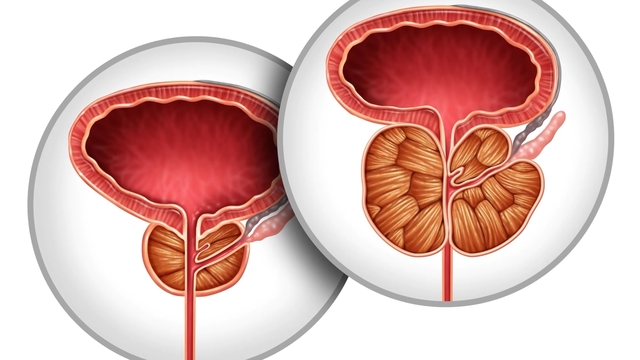
Ten Important Questions:
- What percentage of men experience urinary incontinence after prostatectomy, and how does this vary based on surgical techniques?
- Incontinence rates: Reports range from 1% to 87%, depending on the definition and surgical approach. Most men experience temporary incontinence, with significant improvement over time[1][2]. - How does the type of prostatectomy (e.g., robotic-assisted vs. traditional) affect the likelihood of urinary incontinence?
- Surgical techniques: Robotic-assisted techniques may offer better early continence rates compared to traditional methods, though long-term outcomes can vary[4]. - What are the chances of regaining full continence within a specific timeframe (e.g., one year, two years), and what factors influence recovery?
- Recovery rates: Continence rates improve significantly over the first year, with many men achieving full continence by 12 months. Factors like preoperative urinary function and surgical technique influence recovery[1][4]. - What treatments or interventions are recommended for managing urinary incontinence post-surgery, and how effective are they?
- Treatment effectiveness: Options include lifestyle modifications, pelvic floor exercises, and surgical interventions like male slings or artificial urinary sphincters. Success rates vary, with some studies showing significant improvement in continence[2][6]. - How does age impact the risk and recovery from urinary incontinence after prostatectomy?
- Age impact: Older men may face higher risks and slower recovery from incontinence compared to younger men, though individual outcomes vary widely.How to Stay Calm and Think Clearly After a Prostate Cancer DiagnosisGet instant access to your free guide now.Join FreeNo spam. Unsubscribe anytime. - Are there any preoperative factors (e.g., existing urinary issues, overall health) that might influence the risk of postoperative urinary incontinence?
- Preoperative factors: Pre-existing lower urinary tract symptoms can increase the risk of postoperative incontinence. Conditions like bladder dysfunction can contribute to incontinence[1]. - What role does physical therapy or pelvic floor exercises play in managing urinary incontinence post-surgery, and are there any resources available for this?
- Physical therapy: Pelvic floor exercises, such as Kegel exercises, can significantly improve continence rates and are often recommended post-surgery[2]. - Are there any new or emerging treatments for urinary incontinence that could be considered post-surgery?
- Emerging treatments: New surgical techniques and devices, such as adjustable balloons, are being explored for managing incontinence, though they may come with unique complications[3]. - How does urinary incontinence impact quality of life, and what strategies can help manage its psychological effects?
- Quality of life impact: Incontinence can significantly affect self-esteem and psychological well-being. Strategies for managing these effects include counseling and support groups. - What are the long-term implications of urinary incontinence on daily life, and how can these be managed effectively?
- Long-term implications: Long-term management involves a combination of medical treatments, lifestyle adjustments, and psychological support to maintain quality of life despite incontinence.

The Prostate Cancer Warrior's Conclusion:
Facing urinary incontinence after a prostatectomy can be daunting, but understanding the potential challenges and available solutions can empower men to take charge of their health journey.
By asking the right questions and engaging in open discussions with healthcare providers, men can better prepare for the realities of recovery.
It's important to recognize that while incontinence may pose difficulties, it does not diminish one's value or identity. Many men successfully navigate this condition with the appropriate support, treatments, and lifestyle adjustments.
Embrace the opportunity to educate yourself, lean on your support network, and remember that you are not alone in this experience.
Together, we can foster a more open dialogue about incontinence and ensure that every man considering prostatectomy has the resources and confidence to thrive after surgery.

About the Author
Scott Oliver, 66, is living well with prostate cancer after dedicating more than 4,000 hours to researching the condition. His first goal is to help men reduce their risk of developing prostate cancer through proven lifestyle strategies.
When diagnosed, his mission is to help men avoid unnecessary prostate surgeries that can lead to devastating complications such as incontinence, bleeding, permanent impotence, and a loss of length.
Scott Oliver is not a doctor and does not offer medical advice; however, he is healthier and fitter than he has been in decades. Through his articles and videos, he shares hard-to-find, uncensored information on proven alternative therapies, effective fitness methods, and repurposed drugs, content that most doctors won’t mention and search engines suppress.
He is an accredited member of the National Writers Union (NWU) and the International Federation of Journalists (IFJ), the world’s largest organization of professional journalists. Scott is also the author of What If Cancer’s Best Defense Is Free? Sleep as a Defense Against Cancer: A Former Royal Marines Commando’s 4,000-Hour Research Roadmap, where he reveals how sleep repairs DNA, restores immunity, and strengthens the body’s natural defenses against cancer.
You can always contact Scott Oliver here with your questions and suggestions.
Expert Sources Used To Write This Article:
- [1] Latest Evidence on Post-Prostatectomy Urinary Incontinence - PMC https://pmc.ncbi.nlm.nih.gov/articles/PMC9917389/
- [2] Post-prostatectomy incontinence: Etiology, evaluation, and ... https://pmc.ncbi.nlm.nih.gov/articles/PMC4548645/
- [3] Updates to Incontinence After Prostate Treatment: AUA/GURS/SUFU ... https://www.auajournals.org/doi/10.1097/JU.0000000000004088
- [4] Surgical techniques to preserve continence after robot-assisted ... https://www.frontiersin.org/journals/surgery/articles/10.3389/fsurg.2023.1289765/full
- [5] Prostatectomy postoperative urinary incontinence: From origin to ... https://onlinelibrary.wiley.com/doi/10.1002/prm2.12121
- [6] Incontinence after Prostate Treatment: AUA/GURS/SUFU Guideline https://www.auanet.org/guidelines-and-quality/guidelines/incontinence-after-prostate-treatment
- [7] Incontinence after radical prostatectomy - The Lancet https://www.thelancet.com/journals/lancet/article/PIIS0140-6736(98)00355-9/fulltext
- [8] Surgeon volume and patient-reported urinary incontinence after ... https://www.tandfonline.com/doi/full/10.1080/21681805.2022.2119270