Healing While You Sleep: The Essential Role of Sleep in Brain and Emotional Health
To enjoy the audio version of 'Healing While You Sleep', please click on the play button below.
Sleep is often thought of as a time of rest, but in reality, it is one of the most active and regenerative processes the body undergoes.
While most discussions around sleep focus on its role in physical recovery, its function in emotional healing is just as critical.
This is particularly important for men dealing with prostate cancer and the women who care for them, as the emotional burden of a serious health diagnosis can be just as overwhelming as the physical challenges.

The Physical Neuroregeneration of Sleep
On a purely physical level, sleep is an essential neuroregenerative process that allows the brain to repair, detoxify, and grow. Some of the key ways sleep supports brain health include:
1. Clearing Brain Toxins (Glymphatic System Activation)
- The glymphatic system, which clears toxins from the brain, becomes up to 10 times more efficient during deep sleep.
- This system removes beta-amyloid, a protein associated with Alzheimer's disease, and other cellular waste that accumulates throughout the day.
2. Neurogenesis & Synaptic Plasticity
- Sleep fosters neurogenesis (the birth of new brain cells), especially in the hippocampus, which is crucial for memory and learning.
- Synaptic plasticity—the brain's ability to form new neural connections—is enhanced, improving cognitive function and memory retention.
3. Repair & Regeneration of Brain Cells
- Deep sleep triggers the release of brain-derived neurotrophic factor (BDNF), a protein essential for neuron survival and repair.
- Sleep also allows the brain to repair DNA damage accumulated due to stress and environmental factors.
4. Regulation of Hormones & Inflammation
- Sleep reduces cortisol (stress hormone) levels while increasing melatonin, which has anti-inflammatory and neuroprotective properties.
- Chronic sleep deprivation can lead to brain inflammation, increasing the risk of neurodegenerative diseases.
5. Energy Restoration & Mitochondrial Repair
- The brain replenishes its ATP (energy currency), which fuels all neural activity.
- Sleep enhances mitochondrial function, ensuring brain cells have the energy needed for optimal performance.

The Emotional Regeneration of Sleep
Beyond its physical benefits, sleep is a crucial component of emotional healing. This is particularly significant for men facing prostate cancer and their loved ones, as emotional resilience is key to navigating the challenges of a serious diagnosis.
1. Emotional Processing & Trauma Recovery
- Sleep, especially REM sleep, helps process grief, trauma, and stress.
- The brain reorganizes emotional memories, making them less overwhelming over time.
- Research shows that those who get adequate REM sleep recover emotionally from traumatic events more effectively than those who experience sleep deprivation.
2. Memory Integration & Emotional Healing
- Sleep consolidates emotional memories, allowing the brain to categorize them in a way that makes them less distressing.
- This is why sleep is essential after the loss of a loved one or a difficult emotional experience—it helps the brain accept and adapt to reality.
3. Dreaming as a Natural Therapy
- Dreams allow the subconscious to process unresolved emotions in a safe environment.
- Many grieving individuals report dreaming about lost loved ones—a sign that the brain is working through the emotional pain.
- Some researchers call REM sleep a 'nocturnal therapist', as it helps us reframe painful experiences.
4. Regulation of Emotional Reactivity
- Sleep helps regulate the amygdala, the brain's emotional response center.
- Sleep deprivation causes a 40% increase in emotional reactivity, making people more prone to anxiety, sadness, and stress.
- This is particularly important for men facing prostate cancer—adequate sleep can help reduce anxiety and depression associated with the diagnosis.
Factors That Can Interfere with Sleep's Healing Process
For sleep to be truly restorative, it must be high-quality and uninterrupted. Unfortunately, several factors can interfere with this process:
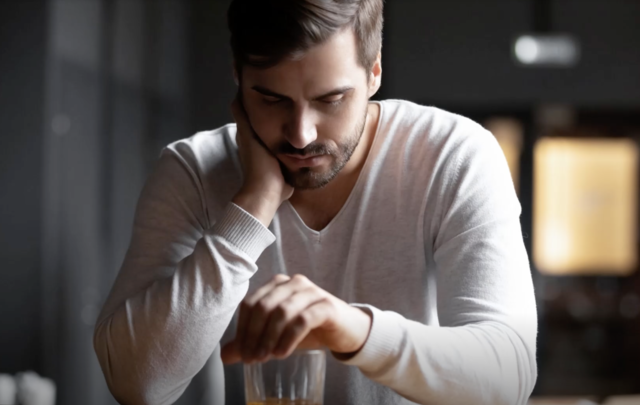
1. Alcohol and Sleep Disruption
- While alcohol might seem to help with falling asleep, it disrupts REM sleep, reducing the brain's ability to process emotions.
- It also increases nighttime awakenings, preventing deep, restorative sleep.
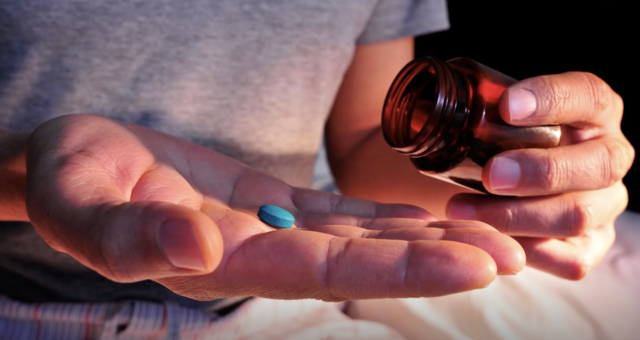
2. Sleeping Pills and Sedatives
- Many sleeping pills suppress REM sleep, the stage where emotional processing occurs.
- Long-term use can interfere with the brain's ability to naturally regulate sleep cycles.
3. Caffeine and Late-Night Stimulants
- Caffeine stays in the system for up to 10 hours, making it harder to reach deep sleep.
- Avoiding caffeine after midday can significantly improve sleep quality.
4. Blue Light Exposure from Screens
- Phones, tablets, and TVs emit blue light, which suppresses melatonin production.
- Using blue-light blocking glasses or avoiding screens an hour before bed can enhance sleep.
5. Chronic Stress & Overthinking at Night
- High stress levels can keep the brain in a hyperactive state, preventing proper sleep cycles.
- Techniques like mindfulness, journaling, or guided meditation can help calm the mind before bed.
Why This Matters for Men Concerned About Prostate Cancer & Their Loved Ones
For men navigating prostate cancer, the importance of sleep goes beyond general health—it directly impacts immune function, stress resilience, and emotional well-being.
- Better Immune Function: Quality sleep strengthens the immune system, which is crucial for slowing cancer progression.
- Reduced Anxiety & Depression: Many men with prostate cancer struggle with fear, uncertainty, and depression. Proper sleep reduces emotional distress, helping men stay mentally strong.
- Support for Partners & Caregivers: Women who care for men with prostate cancer often experience emotional exhaustion. Prioritizing sleep ensures they remain mentally and physically capable of providing support.
- Improved Treatment Outcomes: Studies suggest that men with better sleep patterns have higher treatment success rates and better quality of life.
Final Thoughts: Making Sleep a Priority for Brain & Emotional Health
Sleep is not just about rest—it is a fundamental process of neuroregeneration that helps the brain heal, adapt, and process both physical and emotional challenges.
Whether you're a man concerned about prostate cancer or a woman caring for a loved one, prioritizing high-quality sleep is one of the most powerful steps you can take for long-term health, resilience, and well-being.
By eliminating sleep disruptors, creating a relaxing bedtime routine, and understanding sleep's dual role in physical and emotional healing, you can harness its true regenerative power—ensuring that both your mind and body are fortified for the journey ahead.
What To Do Now?
- Before You're Rushed Into Surgery, Radiation, or Hormone Therapy—Let’s Talk. See how to schedule a private prostate cancer clarity call with Scott Oliver here.
- Subscribe to Our Free Warriors Email Newsletter: Get the men's health insights your doctors and big pharmaceutical companies are hiding from you. Join our growing community of informed Warriors and take charge of your health—subscribe here today.
- Discover Quality Supplements For The Men in Your Life: Looking to boost your health, reignite your vitality, and feel your best? Explore our carefully selected, scientifically-backed supplements designed to support men's health, sexual vitality, and total wellness here.
About the Author
Scott Oliver, 66, is living well with prostate cancer after dedicating more than 4,000 hours to researching the condition. His first goal is to help men reduce their risk of developing prostate cancer through proven lifestyle strategies.
When diagnosed, his mission is to help men avoid unnecessary prostate surgeries that can lead to devastating complications such as incontinence, bleeding, permanent impotence, and a loss of length.
Scott Oliver is not a doctor and does not offer medical advice; however, he is healthier and fitter than he has been in decades. Through his articles and videos, he shares hard-to-find, uncensored information on proven alternative therapies, effective fitness methods, and repurposed drugs, content that most doctors won’t mention and search engines suppress.
He is an accredited member of the National Writers Union (NWU) and the International Federation of Journalists (IFJ), the world’s largest organization of professional journalists. Scott is also the author of What If Cancer’s Best Defense Is Free? Sleep as a Defense Against Cancer: A Former Royal Marines Commando’s 4,000-Hour Research Roadmap, where he reveals how sleep repairs DNA, restores immunity, and strengthens the body’s natural defenses against cancer.
You can always contact Scott Oliver here with your questions and suggestions.
The following expert resources are used by Scott Oliver to write this article:
Scientific Research & Articles on Sleep and Brain Regeneration:
• National Institute of Neurological Disorders and Stroke (NINDS) – The Science of Sleep: https://www.ninds.nih.gov/health-information/public-education/brain-basics/brain-basics-understanding-sleep
• National Sleep Foundation – The Role of Sleep in Emotional Processing: https://www.sleepfoundation.org/mental-health/emotional-processing-sleep
• Harvard Medical School – Sleep, Brain Health, and Neurodegeneration: https://www.health.harvard.edu/mind-and-mood/what-sleep-does-for-emotional-health
• The Glymphatic System and Sleep's Role in Brain Detoxification: https://www.ncbi.nlm.nih.gov/pmc/articles/PMC4636982/
• The Connection Between Sleep and Emotional Regulation: https://www.ncbi.nlm.nih.gov/pmc/articles/PMC5541412/
• American Academy of Sleep Medicine – Sleep and Mental Health: https://aasm.org/resources/pdf/sleep-deprivation-facts.pdf
Sleep and Its Impact on Prostate Cancer & Immune Function:
• Sleep and Cancer Progression – National Cancer Institute: https://www.cancer.gov/news-events/cancer-currents-blog/2019/sleep-circadian-rhythm-cancer
• The Role of Sleep in Immune Function – National Institutes of Health (NIH): https://www.ncbi.nlm.nih.gov/pmc/articles/PMC6627763/
• Sleep and Prostate Cancer Risk – Study Published in Cancer Epidemiology, Biomarkers & Prevention: https://aacrjournals.org/cebp/article/22/5/872/69500/Sleep-Duration-and-Cancer-Risk-in-the-NIH-AARP
Impact of Alcohol, Sleeping Pills, and Blue Light on Sleep Quality:
• Effects of Alcohol on Sleep – National Sleep Foundation: https://www.sleepfoundation.org/nutrition/alcohol-and-sleep
• Sleeping Pills and Their Effects on REM Sleep – Mayo Clinic: https://www.mayoclinic.org/diseases-conditions/insomnia/in-depth/sleep-aids/art-20047860
• Blue Light and Sleep Disruption – Harvard Medical School: https://www.health.harvard.edu/staying-healthy/blue-light-has-a-dark-side