10 Reasons Not to Drink Coffee or Any Caffeinated Drink
If you're a man concerned about prostate cancer — or already living with it as I am — every choice you make either builds you up or breaks you down. And while coffee might seem harmless, or even helpful, it could be quietly working against the healing, strength, and clarity you need most right now.
Yes, it gives you a quick jolt of energy and alertness. But at what cost? Behind the buzz lies a long list of effects that most men are never told about — from disrupted sleep and nervous system strain to digestive irritation and hormonal stress.
Worse, caffeine is physically addictive. Try skipping your daily fix and see what happens: pounding headaches, brain fog, fatigue — and a body that screams for more. That's not freedom. That's chemical dependence.
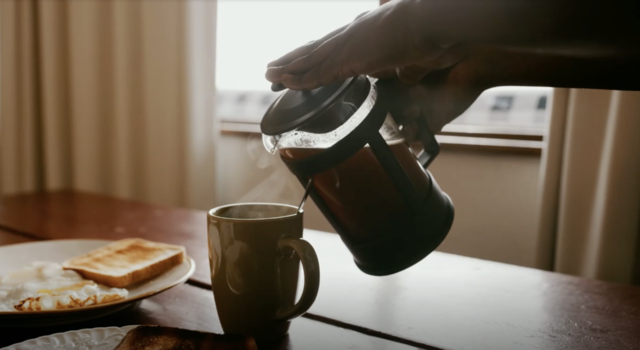
If you're rebuilding your health, your energy, or your masculinity after a prostate cancer diagnosis, the truth is simple: Coffee may be giving you a temporary push… while quietly pulling you further from true recovery.
This guide lays out the 10 most important reasons to break free from coffee and caffeine — and how doing so might just be one of the best decisions you can make for your prostate, your energy, and your peace of mind.
What Most People Don't Know About the World's Most Popular Drug
- Caffeine Is a Physically Addictive Drug
Caffeine is not just a mild pick-me-up — it's a psychoactive stimulant. Regular consumption causes dependence, and most people don't realize they are chemically hooked until they try to stop. The medical community widely recognizes caffeine withdrawal as a clinical diagnosis. - Withdrawal Is Painful and Disabling
Quit coffee suddenly and you may experience:- Crushing headaches that painkillers won't touch
- Brain fog and depression
- Muscle aches
- Fatigue and loss of motivation
- Nausea and flu-like symptoms

- The Energy Boost Is Borrowed, Not Earned
That “burst” you feel from coffee? It's not new energy — it's your body burning its reserves. Caffeine blocks adenosine, the chemical that signals rest. The result:- False sense of alertness
- Adrenal stimulation
- Energy crash hours later
- It Hijacks Your Brain's Natural Balance
Caffeine rewires your brain:- Increases adenosine receptors, making you more tired when you stop
- Elevates cortisol (stress hormone)
- Alters your sleep-wake cycle
- It Disrupts Deep, Restorative Sleep
Even if you fall asleep after drinking coffee, caffeine reduces:- REM sleep (critical for memory and mood)
- Deep slow-wave sleep (essential for physical restoration)
How to Stay Calm and Think Clearly After a Prostate Cancer DiagnosisGet instant access to your free guide now.Join FreeNo spam. Unsubscribe anytime. - It Irritates the Gut and Disrupts Digestion
Coffee can:- Trigger acid reflux and increase stomach acid
- Irritate the lining of the stomach and intestines
- Cause frequent or urgent bowel movements that may lead to:
- Gut flora imbalance
- Electrolyte loss
- Malabsorption of nutrients
- It Can Raise Blood Pressure and Heart Rate
Caffeine stimulates the sympathetic nervous system — the “fight or flight” state. This can:- Raise heart rate and blood pressure
- Trigger palpitations or anxiety attacks in sensitive individuals
- Stress the cardiovascular system over time
- It Interferes With Nutrient Absorption
Caffeine inhibits absorption of:- Iron
- Magnesium
- B vitamins (especially B1, B6, and folate)
- It Can Worsen Anxiety and Mood Disorders
Caffeine increases:- Adrenaline and cortisol
- Restlessness, irritability, and panic symptoms in some people
- Risk of depression and burnout over time
- You Can Feel Calmer, Clearer, and More Energized Without It
People who quit caffeine often report:- Better emotional stability
- More natural energy
- Improved digestion and sleep
- Greater mental clarity and calm

The Prostate Cancer Warrior's Conclusion
You've been told coffee is “just a drink.” You've probably even heard it has health benefits. But no one talks about what it steals from your life — your sleep, your calm, your natural vitality, your independence from addiction.
If you're serious about overcoming prostate cancer — or avoiding it altogether — your body needs every ounce of support. Not nervous energy. Not quick fixes.
Real strength. Real clarity. Real healing.
You don't have to be ruled by a drug that makes you feel tired without it, anxious with it, and addicted in between.
- Imagine waking up with calm energy — no crash, no cravings.
- Imagine sleeping deeply, thinking clearly, and living free from dependence.
- Imagine your prostate — and your whole body — finally getting a break from the hidden stress caffeine adds to your system.
If you're ready to make powerful, lasting changes for your health, this is a damn good place to start.
Let go of coffee. Take back control. Become the man your body needs you to be.
About the Author
Scott Oliver, 66, is living well with prostate cancer after dedicating more than 4,000 hours to researching the condition. His first goal is to help men reduce their risk of developing prostate cancer through proven lifestyle strategies.
When diagnosed, his mission is to help men avoid unnecessary prostate surgeries that can lead to devastating complications such as incontinence, bleeding, permanent impotence, and a loss of length.
Scott Oliver is not a doctor and does not offer medical advice; however, he is healthier and fitter than he has been in decades. Through his articles and videos, he shares hard-to-find, uncensored information on proven alternative therapies, effective fitness methods, and repurposed drugs, content that most doctors won’t mention and search engines suppress.
He is an accredited member of the National Writers Union (NWU) and the International Federation of Journalists (IFJ), the world’s largest organization of professional journalists. Scott is also the author of What If Cancer’s Best Defense Is Free? Sleep as a Defense Against Cancer: A Former Royal Marines Commando’s 4,000-Hour Research Roadmap, where he reveals how sleep repairs DNA, restores immunity, and strengthens the body’s natural defenses against cancer.
You can always contact Scott Oliver here with your questions and suggestions.
Relevant Expert Resources to Support the Article
- Caffeine Use Disorder: A Comprehensive Review and Research Agenda – Journal of Caffeine Research. Read more
- Caffeine Withdrawal Recognized as a Mental Disorder – Johns Hopkins Medicine. Read more
- Effects of Caffeine on Sleep Quality and Daytime Functioning – Journal of Clinical Sleep Medicine. Read more
- Caffeine Inhibits Iron Absorption in Humans – The American Journal of Clinical Nutrition. Read more
- Caffeine, Anxiety, and Depression: Is There a Link? – Verywell Mind. Read more
- How Coffee Affects Your Gut – Harvard Health Publishing. Read more
- Caffeine Reduces Cerebral Blood Flow – NeuroImage (2005). Read more
- The Hidden Dangers of Caffeine: How It Affects Your Heart – Cleveland Clinic. Read more
- Caffeine, Sleep, and Performance: A Review – Sleep Medicine Reviews. Read more
- Is Coffee Good or Bad for You? – Mayo Clinic. Read more