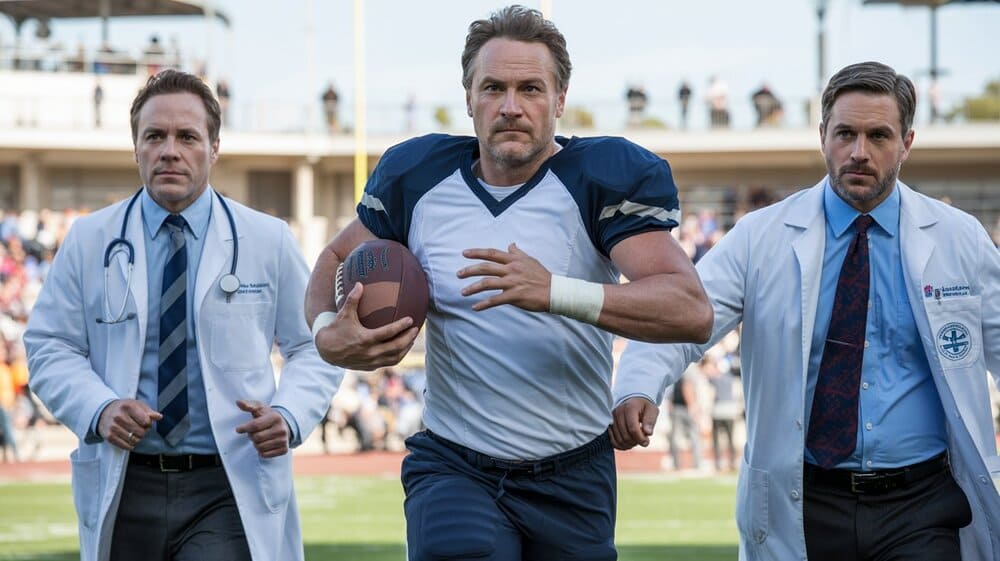
Healing the Man, Not Just the Cancer
When a man hears the words “You have prostate cancer,” his world often contracts to one specialist: the urologist. Yet around the world, a quiet revolution in men's health is revealing that one doctor alone may not be enough.
Increasingly, patients are discovering that combining the precision of a urologist with the holistic insight of an integrative medicine doctor can dramatically improve outcomes, reduce side effects, and restore a sense of control over their bodies and their lives.
Two Lenses, One Body.
A urologist studies the anatomy of disease: the tumor, the prostate, the numbers on a lab report. An integrative medicine doctor studies the landscape that allowed the disease to grow. “The tumor is rarely the whole story,” says Dr. Dean Ornish of UCSF, whose lifestyle trials showed that plant-based diets, exercise, and stress reduction can slow early-stage prostate cancer progression.
The urologist focuses on removing or monitoring the threat. The integrative physician focuses on strengthening the terrain that hosts it. When those two views merge, the man benefits from a complete picture of both danger and possibility.

The Problem with Single-Track Treatment
Modern urology excels at detection, biopsy, and surgical intervention. But the same system that can locate a tumor to the millimeter often overlooks the biochemical soil that nourishes it.
A urologist may prescribe surgery or radiation within weeks of diagnosis, while an integrative doctor might first ask about diet, toxins, inflammation, or chronic stress.
Neither view is wrong; they simply occupy different halves of the healing equation. Working together, they prevent overtreatment—something that affects nearly 40 percent of men with low-risk prostate cancer, according to the Journal of the American Medical Association—while still guarding against the danger of delay.
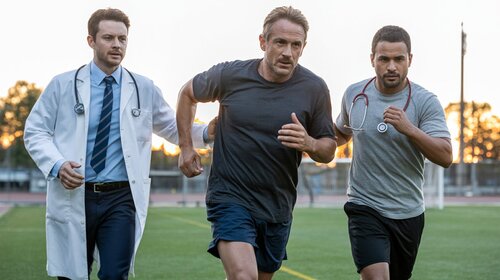
Healing the Man, Not Just the Prostate
Prostate cancer is rarely a lightning strike; it is a slow burn influenced by insulin resistance, hormonal imbalance, and inflammation. Integrative physicians aim to cool that fire through targeted nutrition, fasting protocols, weight control, and sleep restoration.
They teach men how to rebuild testosterone naturally and how to protect muscle mass during hormone-suppressing therapy. They also manage the fallout that conventional medicine often overlooks: fatigue, sexual dysfunction, and loss of confidence.
When the urologist monitors the tumor's behavior and the integrative doctor stabilizes the body's chemistry, the man regains his vitality instead of simply surviving.
Protecting Quality of Life
Research from Harvard's Benson-Henry Institute shows that stress reduction techniques—meditation, breathwork, and guided imagery—can lower inflammatory markers in cancer patients by up to 50 percent.
Integrative doctors bring these tools into the exam room. Urologists bring the data. Together they help men stay calm, informed, and sexually functional even through active surveillance or treatment. It is the difference between managing a disease and living a life.
Building a Smarter Partnership
This collaborative model is not theoretical. At centers like MD Anderson and the Mayo Clinic's integrative oncology units, surgeons and lifestyle physicians routinely share patients. The results are striking: faster recovery after surgery, fewer infections, better long-term adherence to healthy habits.
The integrative doctor coordinates nutritionists, physical therapists, and counselors, ensuring every voice in the healing process speaks the same language. The urologist continues to track PSA trends, imaging, and intervention thresholds. The patient, once overwhelmed, becomes the captain of his own care.

The Power of Two
A urologist protects you from the tumor. An integrative medicine doctor protects you from the environment that feeds it. Together they extend not only lifespan but healthspan—the years lived with strength, clarity, and confidence.
Men who embrace both often describe the experience as a transformation rather than a treatment. They learn that medicine can cut and cure, but it can also teach and empower. And that combination, science now shows, is the one most likely to keep them alive and thriving.

The Prostate Cancer Warrior's Conclusion:
The idea that one doctor can do it all is a comforting myth from an earlier era.
Modern medicine has grown so specialized that even the best-trained urologist must operate within a narrow frame: the anatomy of disease. Yet prostate cancer is not only a matter of anatomy; it is a reflection of metabolism, hormones, inflammation, stress, and environment.
That's where integrative medicine enters the picture, offering a map of how the rest of the body influences what happens inside the prostate.
When these two disciplines meet, something remarkable occurs. The urologist brings diagnostic precision, access to imaging, and the ability to intervene surgically or through targeted therapy when absolutely necessary.
The integrative doctor brings the tools to strengthen the immune system, balance hormones, and teach sustainable habits that protect the man's vitality. One guards against what could kill him. The other helps him live in a body that no longer invites disease.
Clinical evidence increasingly supports this alliance. Studies from the University of California, Harvard, and the Cleveland Clinic have shown that men who combine lifestyle medicine with conventional monitoring often experience slower disease progression, fewer side effects, and greater sexual and emotional well-being.

Even men under active surveillance—those who choose not to rush into surgery—report higher satisfaction and lower anxiety when guided by both kinds of doctors.
In practice, the collaboration works because it covers the two essential fronts of healing. On the outside, the urologist ensures safety, accurate tracking, and intervention if the cancer becomes dangerous. On the inside, the integrative doctor restores the biological and emotional resilience that make long-term survival possible. It is not alternative medicine; it is complementary intelligence.
For men worried about prostate cancer, this partnership offers the best of both worlds: the reassurance of science and the empowerment of self-care. It prevents the panic that leads to unnecessary operations and replaces it with a steady, evidence-based path toward recovery.
Most of all, it reminds every man that his future health is not just in the doctor's hands—it is in his own.
About the Author
Scott Oliver, 66, is living well with prostate cancer after dedicating more than 4,000 hours to researching the condition. His first goal is to help men reduce their risk of developing prostate cancer through proven lifestyle strategies.
When diagnosed, his mission is to help men avoid unnecessary prostate surgeries that can lead to devastating complications such as incontinence, bleeding, permanent impotence, and a loss of length.
Scott Oliver is not a doctor and does not offer medical advice; however, he is healthier and fitter than he has been in decades. Through his articles and videos, he shares hard-to-find, uncensored information on proven alternative therapies, effective fitness methods, and repurposed drugs, content that most doctors won’t mention and search engines suppress.
He is an accredited member of the National Writers Union (NWU) and the International Federation of Journalists (IFJ), the world’s largest organization of professional journalists. Scott is also the author of What If Cancer’s Best Defense Is Free? Sleep as a Defense Against Cancer: A Former Royal Marines Commando’s 4,000-Hour Research Roadmap, where he reveals how sleep repairs DNA, restores immunity, and strengthens the body’s natural defenses against cancer.
You can always contact Scott Oliver here with your questions and suggestions.
Expert Resources Used By Scott Oliver To Research and Write This Article:
- Intensive Lifestyle Changes and Prostate Cancer Progression
Landmark clinical trial suggesting comprehensive diet, exercise, and stress reduction may slow early, low-grade prostate cancer.
https://pubmed.ncbi.nlm.nih.gov/16094059/ - SIO–ASCO Guideline on Integrative Oncology for Anxiety, Depression, and QoL
Evidence-based recommendations for mind–body and other integrative therapies to improve symptoms and quality of life in people with cancer.
https://ascopubs.org/doi/10.1200/JCO.23.00857 - AUA/ASTRO Guideline: Clinically Localized Prostate Cancer
Current urology guidance emphasizing active surveillance as a preferred option for many low-risk patients.
https://www.nursingcenter.com/getattachment/Clinical-Resources/Guideline-Summaries/Prostate-Cancer/Guideline-Summary_Prostate-Cancer_April-2023.pdf.aspx - Active Surveillance Trends in U.S. Urology Practices
Large cohort analysis showing rising use of active surveillance for low-risk disease and wide variation across practices.
https://jamanetwork.com/journals/jamanetworkopen/fullarticle/2801916 - Relaxation Response and Gene Expression
Controlled study linking mind–body practice to changes in genes related to inflammation, metabolism, and stress pathways.
https://journals.plos.org/plosone/article?id=10.1371%2Fjournal.pone.0062817 - UCSF: Exercise and Diet May Delay Prostate Cancer Progression
Research summary and ongoing trials exploring brisk walking, dietary patterns, and targeted nutrition in prostate cancer care.
https://urology.ucsf.edu/lifestyle - Mayo Clinic Integrative Oncology Overview
Hospital program describing evidence-based complementary approaches for symptom control during cancer care.
https://www.mayoclinic.org/departments-centers/integrative-oncology/overview/ovc-20542190 - MD Anderson Integrative Medicine Center
Clinical services and classes designed to reduce stress and improve physical, mental, and emotional well-being during treatment.
https://www.mdanderson.org/patients-family/diagnosis-treatment/care-centers-clinics/integrative-medicine-center.html - ASCO Guideline: Managing Cancer-Related Fatigue
Updated recommendations, including exercise and behavioral strategies, to reduce fatigue in cancer survivors.
https://ascopubs.org/doi/10.1200/JCO.24.00541 - UCSF Prostate Cancer Center: Exercise and Recovery Support
Clinical program offering tailored exercise training to complement treatment and speed recovery for men with prostate cancer.
https://www.ucsfhealth.org/clinics/prostate-cancer-center