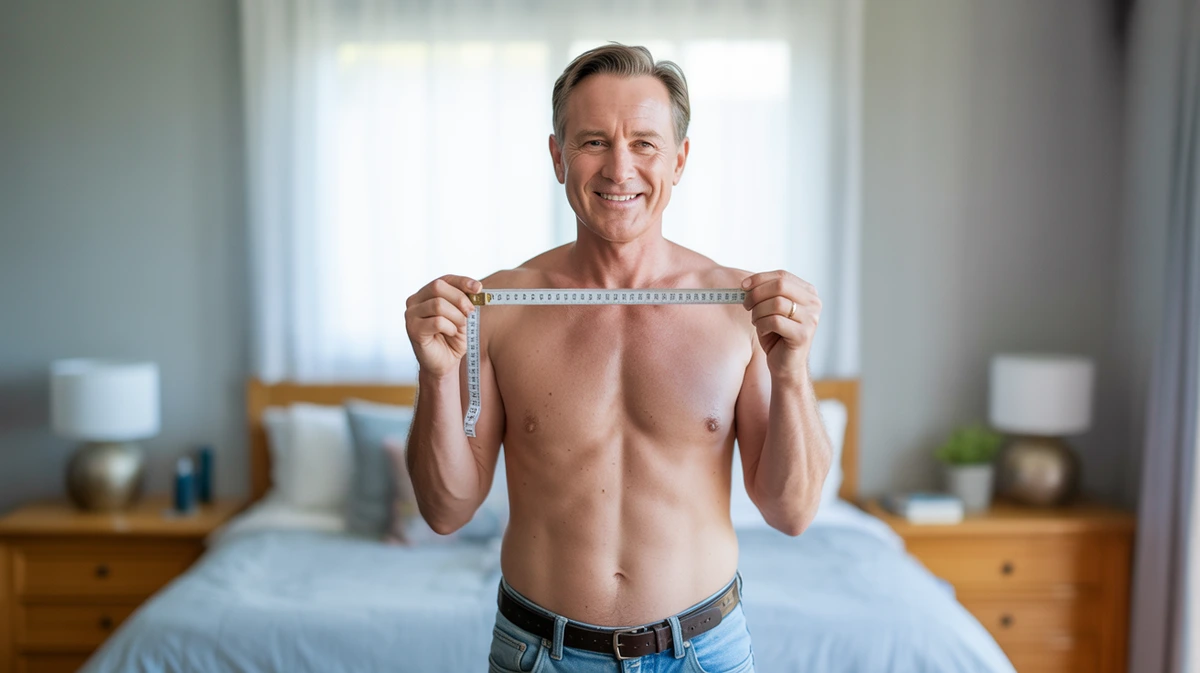
Why the Penis Shrinks With Age and What Science Says You Can Do About It
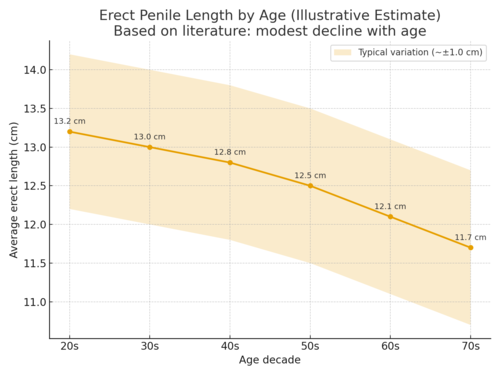
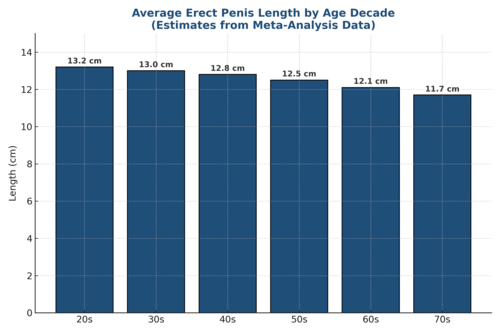
Every man wonders at some point: “Am I shrinking down there?” The short answer is yes, a little. As men get older, the penis can lose some length, firmness, and appearance. But here's the good news: much of this is preventable, and in some cases, even reversible.
This isn't just about vanity. Penis size is directly tied to blood flow, hormone health, and overall vitality. So understanding why changes happen — and how to fight back — is a win for both men and the women who love them.
Why the Penis Shrinks With Age
- Blood Flow and Vascular Health: The penis is basically a sponge filled with blood vessels. As arteries narrow with age, diabetes, or high blood pressure, less blood enters. Erections become weaker, and the penis looks shorter and thinner. Think of it as a garden hose with less water pressure.
- Loss of Elasticity and Tissue Changes: Inside the penis are two chambers wrapped in a tough sheath. Over time, smooth muscle decreases, collagen builds up, and the tissue becomes stiffer. That means less expansion during erections and a slight loss in length.

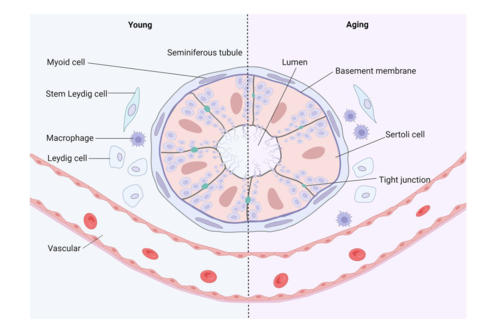
- Lower Testosterone: Testosterone doesn't just power sex drive. It keeps penile tissue healthy, maintains muscle tone, and supports rigid erections. Falling testosterone with age — and from modern lifestyle factors — weakens this support system.
- The Fat Pad Effect: Gaining weight adds fat above the pubic bone. This “fat pad” swallows up visible shaft length. The penis itself hasn't shrunk, but it looks shorter. Losing weight can restore an inch or more of visible length.
- Surgery and Medical Conditions: Prostate surgery, pelvic trauma, and chronic illnesses like diabetes can directly shorten penile length through nerve and blood vessel damage.
Modern Lifestyle Factors Making It Worse
Over the last 50 years, researchers have noticed lower testosterone levels in men and higher rates of erectile problems. The causes include:
- Obesity (biggest factor — almost half of the decline)
- Poor sleep and stress (lower testosterone, higher cortisol)
- Sedentary lifestyle (less nitric oxide, weaker circulation)
- Endocrine disruptors (plastics, pesticides, “forever chemicals” linked to shorter anogenital distance and altered development)
- Medications (antidepressants, opioids, statins)
- Smoking (vascular damage)
- Smartphones & EMFs (some evidence for sperm/testicular effects, less proven for testosterone and penile size)
What Men (and Women) Can Do
- Protect Vascular Health
• Exercise daily — especially resistance training and walking.
• Eat real food: vegetables, lean protein, healthy fats.
• Quit smoking.
• Control blood pressure, blood sugar, and cholesterol naturally when possible. - Support Testosterone
• Keep body fat low — belly fat is a testosterone killer.
• Sleep 7–8 hours, ideally with a consistent schedule.
• Manage stress with relaxation, breathing, or meditation.
• Avoid excessive alcohol and processed foods. - Reduce Toxin Exposure
• Use glass or stainless steel instead of plastic for food and drinks.
• Choose natural personal-care products without phthalates or parabens.
• Wash fruits and vegetables to reduce pesticide intake.
- Keep Erections Active: Regular erections are not just fun, they're maintenance. They oxygenate the tissue and keep it elastic. A “use it or lose it” principle applies here.
- Weight Management: Losing even 20–30 pounds can reveal more of the shaft. For many men, that's the simplest way to “gain” visible size.
- Prudent Phone Habits: Don't keep your smartphone pressed against your groin. The science is not settled, but it's smart insurance for sperm and hormone health.
A Shared Concern for Couples
For women, understanding this issue matters too. A man's shrinking size isn't just about ego — it's a window into his vascular and hormonal health. Encouraging lifestyle changes, supporting good sleep, and even joining him in exercise or healthy eating can make a huge difference.
The Bottom Line
Yes, the penis can shrink with age — but much of it is optional shrinkage. What looks like inevitable decline is often the result of lifestyle choices, hormone imbalances, and preventable health problems.
Men who protect their weight, hormones, and circulation not only keep their erections stronger — they often keep their penis looking and performing closer to how it did decades earlier.
In other words: it's not just about preserving size. It's about preserving manhood, health, and intimacy.
About the Author
Scott Oliver, 66, is living well with prostate cancer after dedicating more than 4,000 hours to researching the condition. His first goal is to help men reduce their risk of developing prostate cancer through proven lifestyle strategies.
When diagnosed, his mission is to help men avoid unnecessary prostate surgeries that can lead to devastating complications such as incontinence, bleeding, permanent impotence, and a loss of length.
Scott Oliver is not a doctor and does not offer medical advice; however, he is healthier and fitter than he has been in decades. Through his articles and videos, he shares hard-to-find, uncensored information on proven alternative therapies, effective fitness methods, and repurposed drugs, content that most doctors won’t mention and search engines suppress.
He is an accredited member of the National Writers Union (NWU) and the International Federation of Journalists (IFJ), the world’s largest organization of professional journalists. Scott is also the author of What If Cancer’s Best Defense Is Free? Sleep as a Defense Against Cancer: A Former Royal Marines Commando’s 4,000-Hour Research Roadmap, where he reveals how sleep repairs DNA, restores immunity, and strengthens the body’s natural defenses against cancer.
You can always contact Scott Oliver here with your questions and suggestions.
Expert Resources Used By Scott Oliver To Research and Write This Article:
- Worldwide Temporal Trends in Penile Length (1942–2021)
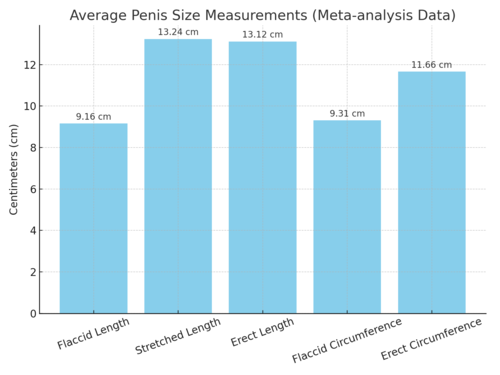
Meta-analysis of 75 studies showing a surprising increase in average erect length over recent decades, with no clear trend for flaccid/stretched length. Read the paper - “Am I normal?” Nomograms for Penis Size (BJU International, 2015)
Authoritative pooled averages and distributions for flaccid, stretched, and erect length based on professional measurements. Read the paper - Population-Level Decline in Testosterone in American Men (JCEM, 2007)
Landmark cohort analysis reporting an age-independent drop in testosterone across birth cohorts in U.S. men. Read the paper - Trends in Sex Hormones in U.S. Males, 1988–2004 (NHANES)
National survey analysis finding little/no testosterone decline after adjusting for obesity and other factors—illustrates how results vary by methods. Read the paper - Testosterone Decline in U.S. Adolescents & Young Adults, 1999–2016
NHANES-based study showing lower mean testosterone over time, including among normal-BMI men. Read the paper - Secular Testosterone Trends in Israeli Men, 2006–2019
Very large health-system dataset documenting an age-independent decline in total testosterone across most age groups. Read the paper - Sleep Restriction Lowers Testosterone in Healthy Young Men (JAMA, 2011)
One week of curtailed sleep significantly reduced daytime testosterone levels—underscoring sleep's role in male hormones. Read the study - Lowered Testosterone in Male Obesity (Review)
Explains mechanisms linking obesity to reduced testosterone and summarizes evidence that weight loss can reverse this. Read the review - Weight Loss Raises Testosterone in Obese Men
Clinical evidence showing both bound and free testosterone increase with greater weight reduction. Read the study - Prenatal Phthalate Exposure & Shorter Anogenital Distance (AGD)
Human evidence that common plasticizers can impair male reproductive development, a proxy for future genital size/function. Read the study - Mobile Phone Use and Sperm Quality (Environmental Research, 2021)
Meta-analysis associating cell phone exposure with reduced sperm motility, viability, and concentration. Read the meta-analysis - Erectile Dysfunction Predicts Cardiovascular Events (JACC, 2011)
Prospective meta-analysis: ED significantly increases risk of cardiovascular disease, coronary events, stroke, and all-cause mortality. Read the meta-analysis - The Artery Size Hypothesis (Am J Cardiol, 2005)
Explains why ED often appears before heart disease: smaller penile arteries manifest vascular disease earlier than larger coronary arteries. Read the paper - Worldwide Temporal Trends in Penile Length — Journal Version
Official journal page for the 2023 meta-analysis on penile length trends, with figures and supplemental material. Visit the journal