Living Long with Prostate Cancer: Why Patience Matters Most

When a man hears the words “You have prostate cancer,” the first reaction is often fear. Many men and the women who love them feel pressure to make quick decisions.
But here's the truth: prostate cancer is different from most other cancers. In most cases, it grows very slowly. And because it takes years to develop, the most important thing you can do is to be patient with yourself and with your treatment choices.
Prostate Cancer Develops Over Many Years
- Prostate cancer usually takes 10 to 20 years to form.
- Most men have no symptoms in the early stages, and many never develop serious problems.
- This slow pace means you almost always have time to think, time to learn, and time to decide.
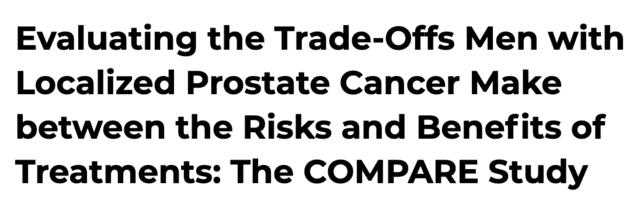
Unlike faster cancers, such as pancreatic or lung cancer, prostate cancer often moves so slowly that doctors can safely recommend active surveillance carefully watching and testing instead of rushing into surgery or radiation.
Why Rushing Can Lead to Regret
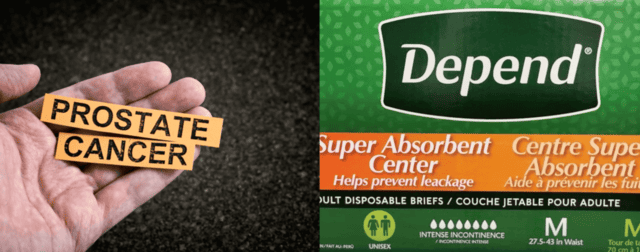
Men who act out of fear and jump into aggressive treatment too quickly often pay a heavy price. Surgery and radiation can bring permanent side effects such as:
- Loss of bladder control (incontinence)
- Erectile dysfunction
- Bowel problems
By slowing down, getting a second opinion, and truly understanding all options, many of these life-changing side effects can be avoided.
Healing Also Takes Patience
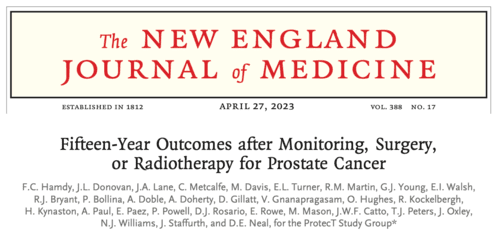
If it took 10 or more years for cancer to appear, it's realistic to expect that it may take 5 to 10 years of steady effort to bring your body back into balance. Lifestyle changes don't show instant results, but over time they can make a huge difference.
- Year 1–2 → Building the foundation with better food, exercise, weight loss, and sleep.
- Year 3–5 → Your energy, hormones, and metabolism begin to stabilize.
- Year 5–10 → Long-term healing and strength begin to compound.
Every year of small improvements in diet, movement, stress, and mindset makes your body stronger and more capable of keeping cancer under control.
A Mindset Shift for Men and Women
Prostate cancer can be seen not just as a threat, but as a wake-up call. It's an opportunity to slow down, reset, and live healthier than ever before.
For men: Be patient with your body. Healing is a journey, not a quick fix.
For women: Be patient with your partner. Encourage him, support him, and remind him that time is on his side.
The Prostate Cancer Warrior's Conclusion:
The most important fact to remember is this: most men live with prostate cancer and die of something else entirely. Heart disease, stroke, or simply old age take far more men's lives than prostate cancer ever does.
So take a breath. Be patient. Use this time to rebuild health, grow stronger, and live fully. With patience and steady steps, prostate cancer can become a part of your life story, not the end of it.
About the Author
Scott Oliver, 66, is living well with prostate cancer after dedicating more than 4,000 hours to researching the condition. His first goal is to help men reduce their risk of developing prostate cancer through proven lifestyle strategies.
When diagnosed, his mission is to help men avoid unnecessary prostate surgeries that can lead to devastating complications such as incontinence, bleeding, permanent impotence, and a loss of length.
Scott Oliver is not a doctor and does not offer medical advice; however, he is healthier and fitter than he has been in decades. Through his articles and videos, he shares hard-to-find, uncensored information on proven alternative therapies, effective fitness methods, and repurposed drugs, content that most doctors won’t mention and search engines suppress.
He is an accredited member of the National Writers Union (NWU) and the International Federation of Journalists (IFJ), the world’s largest organization of professional journalists. Scott is also the author of What If Cancer’s Best Defense Is Free? Sleep as a Defense Against Cancer: A Former Royal Marines Commando’s 4,000-Hour Research Roadmap, where he reveals how sleep repairs DNA, restores immunity, and strengthens the body’s natural defenses against cancer.
You can always contact Scott Oliver here with your questions and suggestions.
Expert Resources Used By Scott Oliver To Research and Write This Article:
- Prostate Cancer: Overview – National Cancer Institute (NCI) https://www.cancer.gov/types/prostate
- Prostate Cancer—Patient Version – American Cancer Society https://www.cancer.org/cancer/types/prostate-cancer.html
- Active Surveillance for Prostate Cancer – National Cancer Institute (NCI) https://www.cancer.gov/types/prostate/hp/prostate-treatment-pdq#_48
- Prostate Cancer Treatment (PDQ®)–Health Professional Version – National Cancer Institute https://www.cancer.gov/types/prostate/hp/prostate-treatment-pdq
- Prostate Cancer Statistics – American Cancer Society https://www.cancer.org/cancer/types/prostate-cancer/about/key-statistics.html
- Prostate Cancer: Diagnosis and Treatment – Mayo Clinic https://www.mayoclinic.org/diseases-conditions/prostate-cancer/diagnosis-treatment/drc-20353093
- Prostate Cancer Prevention and Lifestyle Factors – Harvard Health Publishing https://www.health.harvard.edu/mens-health/prostate-cancer-prevention-and-lifestyle-factors
- Nutrition, Exercise, and Prostate Cancer – Prostate Cancer Foundation https://www.pcf.org/about-prostate-cancer/prostate-cancer-and-nutrition/