The Hypocrisy of Sustainability: Why You Fly Less While Fiji Water Flies Everywhere
We are constantly told that we must change our lifestyles to save the planet. Take shorter showers. Fly less. Eat less meat. Drive smaller cars. Recycle every bottle and every can.
Governments and environmental groups argue that individual sacrifices are the only way to protect natural resources and fight climate change.
But at the same time, corporations and global trade systems are allowed to operate in ways that are far more wasteful and destructive than anything the average person could ever do. This is the great sustainability contradiction.
Ordinary people are restricted, monitored, and even shamed, while corporations carry on with business practices that make a mockery of the very sustainability goals they claim to support.

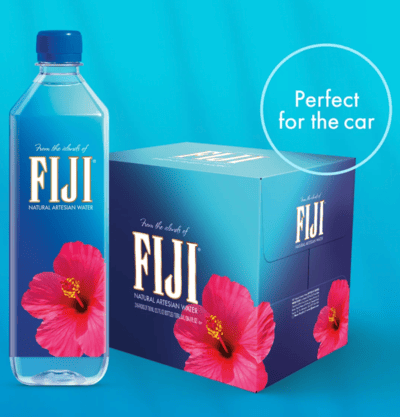
A most glaring example? For me living here in Guatemala, you can buy bottles of Fiji Water that have traveled more than 11,000 kilometers across the world. Citizens are told not to fly for a vacation because of emissions, yet shipping heavy bottles of water by sea and air somehow counts as acceptable commerce.
Bottled Water from Fiji: The Ultimate Symbol of Waste
Bottled water is already criticized for being wasteful when local tap water is safe. But Fiji Water takes this to another level. Water is pumped from an aquifer in the South Pacific, bottled in plastic, and then shipped thousands of kilometers to wealthy markets like Europe, North America, and even Central America.
“A bottle of Fiji Water travels over 11,000 km to reach Guatemala, yet citizens are told to fly less to protect the planet.”
The carbon footprint is enormous. Water is one of the heaviest and bulkiest products to ship. Yet governments that warn their citizens to reduce flights allow this kind of absurd global trade without question.
Australian Wine to the UK and US: A Toast to Contradiction
The same story repeats itself with wine. Australia produces excellent Shiraz and Chardonnay, but shipping heavy glass bottles halfway around the world to London or New York makes no sense if the goal is sustainability.
Distance Australia → UK: 15,000 km. Distance Australia → US East Coast: 16,000 km.
The UK has vineyards producing quality wines. The US has massive wine industries in California, Oregon, Washington, and New York. But supermarkets stock Australian wine anyway.
Citizens are told to “buy local” to reduce food miles, yet corporations ship wine thousands of kilometers because it sells.
Avocados, Quinoa, and Exotic Superfoods
Avocados are another prime example. They are sold in Europe as part of a green, plant-based diet, yet each avocado can require up to 320 liters of water to grow. Mexico and Chile, two of the largest exporters, already face serious water shortages.
“One avocado = 320 liters of water.”
Quinoa is branded as the eco-friendly replacement for meat. But soaring global demand has driven up prices, forcing traditional communities in Peru and Bolivia to eat less of their staple crop.
Blueberries flown in from Chile during European winters are sold as “healthy and sustainable snacks.” In reality, they are airfreighted in refrigerated containers, creating one of the highest possible carbon footprints for fruit.
Beef, Almond Milk, and Other Shifts in Burden
People are told to eat less beef because of methane emissions and deforestation. Yet Brazil exports beef around the world, including to China and Europe. Ranching is one of the biggest drivers of Amazon destruction, but global demand keeps rising.
At the same time, almond milk is sold as an eco-friendly alternative to dairy. But almond farms in California consume billions of liters of water, draining aquifers in a region already hit by drought.
It takes about 4 liters of water to produce a single almond.
Almond milk may look sustainable in Europe, but it just shifts the environmental burden across the ocean.

Fast Fashion Recycling Myths
The fast fashion industry encourages consumers to donate clothes to charity bins, claiming they will be recycled. In reality, much of the clothing ends up in landfills in Africa or Asia. Rivers are polluted, and local textile industries are destroyed.
“Fast fashion ‘recycling' often means dumping clothes in Africa and Asia.”
Meanwhile, Western consumers feel virtuous for doing their part. This is not sustainability. It is a global waste problem disguised as recycling.
Electric Cars and Mining Reality
Governments subsidize electric vehicles as the clean future of transport. But the batteries require cobalt, lithium, and rare earth metals mined in countries like the Democratic Republic of Congo. Mining is linked to child labor, water pollution, and land degradation.
Western nations present EVs as a solution to climate change, yet they depend on unsustainable practices abroad. Once again, the burden is shifted elsewhere, while citizens are lectured about buying “green.”

Climate Conferences and Private Jets
Perhaps the most visible contradiction is climate conferences themselves. Every year, world leaders and business elites gather in places like Davos or the COP climate summits. Hundreds of private jets fly in, creating a spike in carbon emissions.
“Hundreds of private jets descend on climate summits where leaders tell citizens to fly less.”
Inside, participants give speeches about the need for ordinary people to consume less, fly less, and change their habits. The hypocrisy could not be clearer.
How This Fits with the UN Sustainable Development Goals
The United Nations set out 17 Sustainable Development Goals in its 2030 Agenda. They cover everything from clean water and sanitation to climate action and protecting biodiversity. On paper, these goals should prevent many of the contradictions described above.
But there is a problem. The SDGs are broad and non-binding. Countries and corporations can sign on to them without actually changing the wasteful practices of global trade.
- SDG 6 (Water) is undermined when Fiji exports water around the world.
- SDG 12 (Responsible Consumption) is ignored when avocados and blueberries are airfreighted thousands of kilometers.
- SDG 13 (Climate Action) is contradicted by the emissions from shipping wine, beef, and fruit across oceans.
- SDG 15 (Life on Land) is undermined by deforestation in Mexico, Brazil, and California.
“The SDGs recognize the problems but have no teeth to stop them.”
In short, the SDGs acknowledge the issues, but without enforcement, they do not prevent corporations from carrying on as usual.
The Prostate Cancer Warrior's Conclusion: A Two-Tiered Sustainability System
The world is being divided into two classes of responsibility. Ordinary people are expected to change their daily habits. Take shorter showers. Fly less. Eat less meat. Drive an electric car.
Corporations, meanwhile, continue to ship bottled water across oceans, import wine halfway around the world, airfreight exotic fruits, and flood markets with fast fashion. Governments and international organizations turn a blind eye to these wasteful practices, even as they pressure citizens to live smaller lives in the name of the planet.
This is not sustainability. It is hypocrisy. Until global trade practices are held to the same standard as individual citizens, sustainability will remain a marketing slogan rather than a genuine path to protecting the Earth.
If flying to enjoy a well-earned vacation is treated as a threat to the planet, then shipping Fiji Water to Europe or Guatemala should be treated the same way. If people are told to buy local, then supermarkets should not be filled with wine, fruit, and water shipped thousands of kilometers.
True sustainability will only begin when the rules apply equally to everyone, not when ordinary citizens sacrifice while corporations waste without consequence.

About the Author
Scott Oliver, 66, is living well with prostate cancer after dedicating more than 4,000 hours to researching the condition. His first goal is to help men reduce their risk of developing prostate cancer through proven lifestyle strategies.
When diagnosed, his mission is to help men avoid unnecessary prostate surgeries that can lead to devastating complications such as incontinence, bleeding, permanent impotence, and a loss of length.
Scott Oliver is not a doctor and does not offer medical advice; however, he is healthier and fitter than he has been in decades. Through his articles and videos, he shares hard-to-find, uncensored information on proven alternative therapies, effective fitness methods, and repurposed drugs, content that most doctors won’t mention and search engines suppress.
He is an accredited member of the National Writers Union (NWU) and the International Federation of Journalists (IFJ), the world’s largest organization of professional journalists. Scott is also the author of What If Cancer’s Best Defense Is Free? Sleep as a Defense Against Cancer: A Former Royal Marines Commando’s 4,000-Hour Research Roadmap, where he reveals how sleep repairs DNA, restores immunity, and strengthens the body’s natural defenses against cancer.
You can always contact Scott Oliver here with your questions and suggestions.
Expert Resources Used By Scott Oliver To Research and Write This Article:
- The Dark Secret of FIJI Water – New University
- Uncovering the Fiji Water Controversy: Environmental and Ethical Implications – PapersOwl
- Fiji Water Discloses Supply Chain Carbon Footprint, Plans to Reduce Environmental Impact – Trellis
- FIJI Water Sued Over Claim That Product is Carbon Negative – Trellis
- How much water does avocado farming consume? – SaveMoneyCutCarbon
- Is Avocado Bad For The Environment? Stats, Trends And… – GreenMatch UK
- Getting Smashed: The climate danger facing avocados – Christian Aid (PDF)
- Water footprint – Wikipedia
- Environmental impacts of consumption of Australian red wine in the UK – ScienceDirect
- Environmental Impacts of Australian Wine Industry (Life-Cycle Assessment Update) – Wine Australia
- Carbon footprints in wine – a merchant's perspective – The Drinks Business
- How fast fashion is fuelling the fashion waste crisis in Africa – Greenpeace
- Discarded clothes from UK brands dumped in protected Ghana wetlands – The Guardian
- Fast-fashion, slow poison: Toxic textile crisis in Ghana – Greenpeace Africa
- As fast fashion's waste pollutes Africa's environment, designers in Ghana are finding a solution – AP News
- United Nations Sustainable Development Goals – UN.org