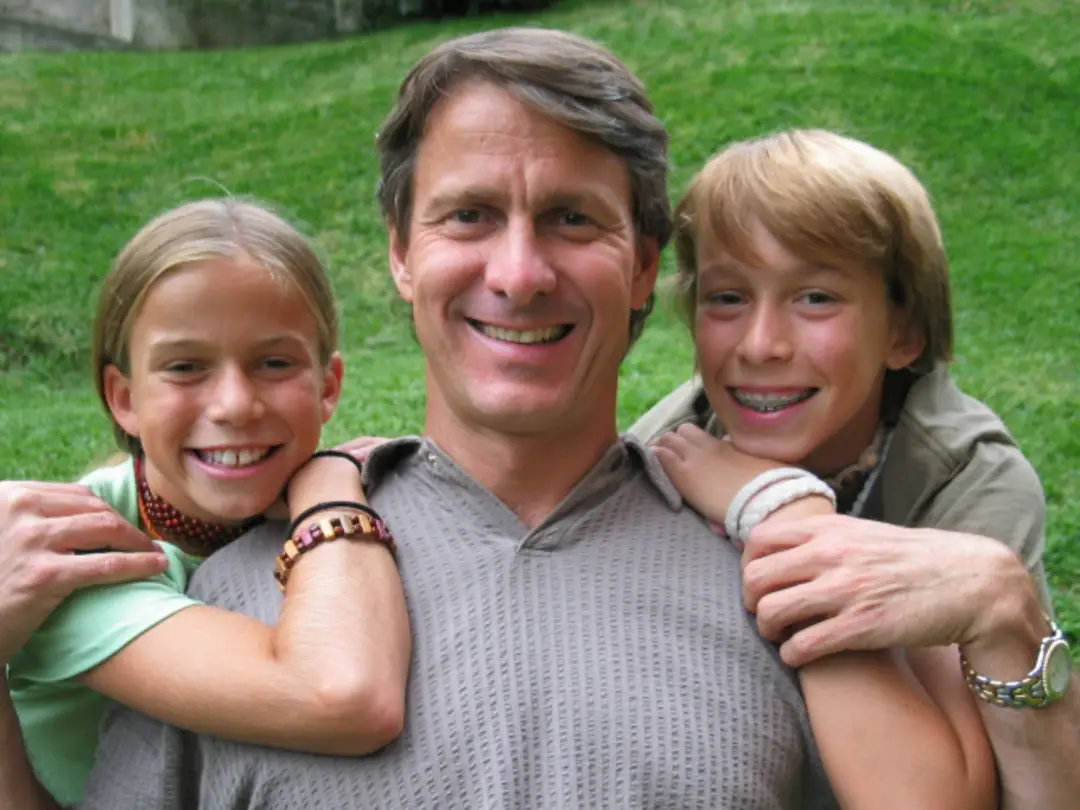
After the Unthinkable: Learning to Live When Your Child Has Died
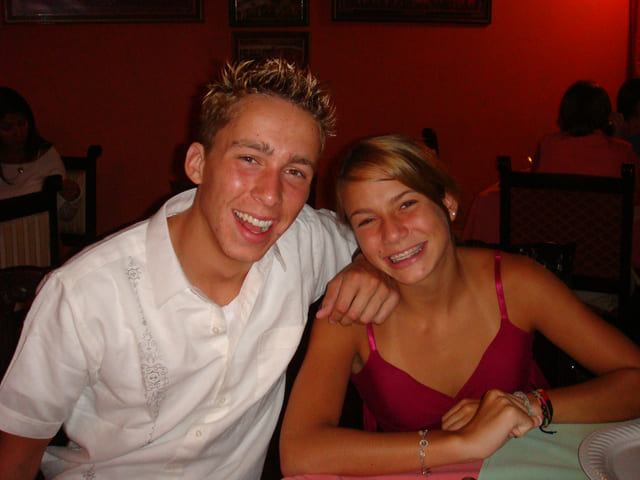
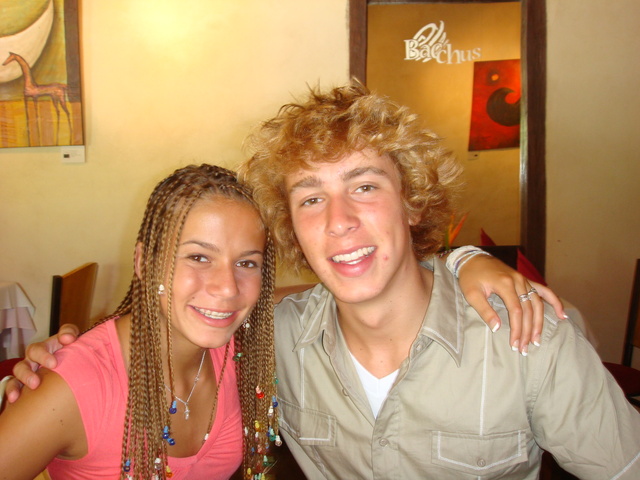
In 2021, my son Ian died at the age of 31. In 2024, my daughter Catherine also died at the age of 31.
Even now, writing those sentences feels unreal, as if I am describing someone else's life. But it is mine. There is a clear line in my life: before my children died, and after.
I am writing this for other parents who have lost a child. If you are newly bereaved, I hope this helps you feel less alone.
When a child dies, age does not matter. Whether the death was sudden or expected does not matter. People say nothing prepares you. They are right. You may think you understand loss. You do not, not until it is your child.

The Shattering
In the early days there is shock. The mind struggles to absorb what has happened. Many parents describe moving through life in a fog, forgetting simple things, unable to focus on ordinary tasks.
The body reacts as well. Sleep disappears. Appetite fades. The immune system weakens. Everything feels heavy. This is not weakness. It is the body responding to trauma.
Some parents cry constantly. Others go quiet. Both responses are normal. Grief does not follow one pattern. It moves through each person differently, even within the same family.
Mothers and Fathers
A mother who carried her child often feels the loss physically, as if something in her own body has been torn away. A father may experience grief differently. Many fathers feel an overwhelming sense of failure, as though they were meant to protect and could not.
As a father, I learned that grief often comes out sideways. Through work. Through silence. Through the urge to stay busy because stillness allows the pain to surface. From the outside, it can look like strength. Inside, it is something else.
Couples sometimes struggle in these early months and years. One wants to talk, the other withdraws. One cries openly, the other becomes quiet and practical. Both are grieving, but in different languages. With patience and honesty, many couples eventually find a way to understand each other again, though the process can be slow.

Identity Broken
For many parents, the death of a child fractures identity itself. Being a mother or father does not end when a child dies, yet something fundamental changes. The future you imagined disappears. The role you held feels altered in ways that are difficult to explain to others.
Parents who are divorced or living apart often carry an additional layer of regret. They may wonder whether they were present enough or whether time was lost. It is common to compare grief, silently or aloud, asking who has the greater right to mourn.
Love is not measured in hours. A child belongs to both parents forever.
Siblings Left Behind
When a child dies, brothers and sisters grieve as well. Some try to appear strong so they do not add to their parents' pain. Others withdraw. Some fear that they too might die.
When my son died, my daughter was 29. From the outside she appeared functional. She continued working. But inside she was grieving her brother in ways I could not fully see. Surviving children often carry a quiet, private sorrow that can be easily overlooked.
Supporting them while grieving yourself is one of the hardest tasks a parent will face. Honest conversation helps. So does allowing each person to remember in their own way.
The World Changes
After a child dies, the world looks different. Ordinary routines can feel pointless. Getting out of bed, cooking, working, answering messages. Everything requires effort.
Some friends do not know what to say and drift away. Others remain steady, offering quiet support. A simple message. A shared meal. Sitting together in silence. These small acts matter more than most people realize.
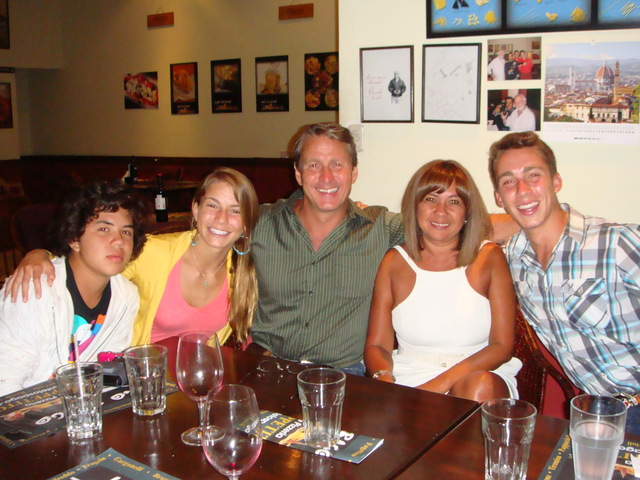
Grief can place strain on relationships, but it can also deepen them. Over time, some families find that shared loss creates a quieter, more honest bond.
Belief and Meaning
Loss often reshapes belief. Some parents find comfort in faith. Others feel their faith collapse. Many move between both states. There is no correct response. Grief changes how we understand life, death, and what lies beyond.
Triggers and Anniversaries
Grief does not move in a straight line. Even years later, it can return without warning. A birthday. A familiar song. A scene in a film. The smell of a favorite meal. These moments can bring a sudden wave of memory and feeling.
I have learned to avoid certain films and situations that I know will be difficult. Even so, it is not always possible to predict what will trigger a memory. A sound, a place, or a passing thought can reopen the wound for a time. This is part of the new landscape of life.
Learning to Carry It
There is no “getting over” the death of a child. What happens instead is that you learn, slowly, to carry it.
In the beginning the grief feels crushing. Over time it becomes something you live with. Always present, but not always overwhelming. Moments of calm return. Sometimes even moments of genuine happiness. Then the sorrow returns again. Both can exist in the same day.
Laughing does not mean forgetting. Feeling peace for a moment does not mean your child is any less loved.
When the Pain Feels Too Much
There are times when the pain can feel unbearable. Some parents reach a point where they do not want to continue. These thoughts are more common than many people admit, and they are dangerous.
If that happens, speak to someone immediately. A friend. A family member. A doctor. A trained listener. You do not have to stand alone at that edge.
If you happen to be in Mauritius and would find it helpful to speak with someone who has lived through this, you are welcome to contact me. I am not a professional in this field, only a parent who has been there.
In the United States, the Suicide & Crisis Lifeline is available by dialing 988. Similar services exist in many countries. If you need help, please use the resources listed at the bottom of this page.
What Helps
- Speaking your child's name and sharing memories.
- Creating small rituals of remembrance.
- Connecting with other bereaved parents who understand this specific loss.
- Seeking professional support when needed.
- Allowing grief to move at its own pace.
The Life That Follows
Life after the death of a child is not the life you imagined. Over time, however, many parents discover that it is still possible to live with purpose. The loss does not disappear, but it becomes part of the landscape rather than the entire horizon.
Some parents support others who are grieving. Some create charities. Others simply move through the world with greater patience and kindness. Each path is personal.
A Personal Note
Four years after my son's death and 18 months after my daughter's, I still dream about them. Sometimes the dreams are peaceful. Sometimes they are not. There are moments when the grief feels as sharp as ever, and other moments when it sits more quietly in the background.
Both now belong to my life.
I am profoundly grateful that I had my two children, even though losing them has been the hardest experience of my life. I am changed by what happened. Any parent who loses a child is changed. But it is still possible to find moments of calm, moments of meaning, and even moments of happiness.
The love remains. It does not disappear. It simply takes a different form and stays with you as you continue forward.
About the Author
Scott Oliver, 66, is living well with prostate cancer after dedicating more than 4,000 hours to researching the condition. His first goal is to help men reduce their risk of developing prostate cancer through proven lifestyle strategies.
When diagnosed, his mission is to help men avoid unnecessary prostate surgeries that can lead to devastating complications such as incontinence, bleeding, permanent impotence, and a loss of length.
Scott Oliver is not a doctor and does not offer medical advice; however, he is healthier and fitter than he has been in decades. Through his articles and videos, he shares hard-to-find, uncensored information on proven alternative therapies, effective fitness methods, and repurposed drugs, content that most doctors won’t mention and search engines suppress.
He is an accredited member of the National Writers Union (NWU) and the International Federation of Journalists (IFJ), the world’s largest organization of professional journalists. Scott is also the author of What If Cancer’s Best Defense Is Free? Sleep as a Defense Against Cancer: A Former Royal Marines Commando’s 4,000-Hour Research Roadmap, where he reveals how sleep repairs DNA, restores immunity, and strengthens the body’s natural defenses against cancer.
You can always contact Scott Oliver here with your questions and suggestions.
Expert Resources Used By Scott Oliver To Research and Write This Article:
- The Compassionate Friends. International support network for parents, siblings, and grandparents grieving the loss of a child. Visit website
- MISS Foundation. Founded by Dr. Joanne Cacciatore, providing counseling, peer support, and resources for families experiencing the death of a child. Visit website
- Child Bereavement UK. Offers guidance and support for families facing child loss, including helplines, resources, and training. Visit website
- Bereaved Parents of the USA. A national organization offering peer-to-peer support and healing for families after the death of a child. Visit website
- National Suicide & Crisis Lifeline (U.S.). 24/7 confidential crisis support for people thinking about suicide or in emotional distress. Dial 988 in the U.S. Visit website
- Samaritans (UK & Ireland). Free 24/7 helpline offering emotional support to anyone in distress or at risk of suicide. Visit website
- Lifeline (Australia). 24-hour crisis support and suicide prevention services available nationwide. Visit website