Don’t Let Antibiotics Weaken Your Defenses Against Prostate Cancer
You walk out of the doctor's office with a prescription in hand. Maybe it's for a sinus infection, a urinary tract infection, or something more serious. It's antibiotics and you know they're powerful.
They save lives. But here's the part we rarely stop to think about: every time you swallow those pills, you're not just knocking down the “bad bugs.” You're also torching the ecosystem of trillions of good bacteria that live inside your gut.
For the average person, that's a problem. But for a man facing prostate cancer, it's more than a problem, it's a threat to recovery, immunity, hormone balance, and even long-term survival.
So what do you do? Let's walk through it step by step, with the science in plain English.
Antibiotics: The Double-Edged Sword
Antibiotics are life-saving, but they're blunt instruments. They don't distinguish friend from foe. Research shows that even a short course can wipe out large portions of the gut microbiome, sometimes leaving holes that last six to twelve months or longer.
And here's the kicker: on the Standard American Diet (SAD) — low in fiber, high in sugar, heavy on processed food, the microbiome may never fully return to its original state. That means weaker digestion, less immune firepower, more inflammation, and higher risk of chronic disease.
Why This Matters for Prostate Cancer
Your microbiome isn't just about digestion. Those bacteria:
- Train your immune system to recognize and fight tumor cells.
- Help regulate hormones that affect prostate growth.
- Produce short-chain fatty acids like butyrate, which lower inflammation and support DNA repair.
When antibiotics wipe out these allies, your body's natural defenses against cancer take a direct hit.
The Probiotic Puzzle
It sounds simple: destroy bacteria with antibiotics, then replace them with probiotics. Right? Not so fast.
The evidence is mixed. Some generic probiotics can actually delay the natural return of your own unique microbiome. That's because they temporarily take over the gut, crowding out your native bacteria trying to grow back.
But not all probiotics are created equal. A few have strong scientific backing:
- Saccharomyces boulardii CNCM I-745: a probiotic yeast that isn't killed by antibiotics and helps prevent diarrhea and C. diff.
- Lactobacillus rhamnosus GG: proven to lower antibiotic-associated diarrhea, especially in kids and older adults.
- Bifidobacterium infantis 35624: effective for bloating, irregular bowels, and calming gut inflammation.
These are not magic bullets — but they can help in very specific ways without blocking long-term recovery.
Prebiotics: The Real Builders
If probiotics are like planting a few starter plants in a burned forest, prebiotics are the fertilizer and water that let the whole ecosystem regrow. Prebiotics are fibers and plant compounds your body can't digest but your good bacteria can.
Foods like onions, garlic, asparagus, green bananas, beans, and oats all feed beneficial microbes. Polyphenol-rich foods — berries, olive oil, dark chocolate, green tea — act like super-fuel for microbial diversity.
When you give your gut this kind of fuel after antibiotics, the good bacteria multiply, strengthen your immune system, and restore balance.

A Practical Recovery Roadmap
During antibiotics:
- If you're high risk for diarrhea, use S. boulardii or L. rhamnosus GG.
- Avoid heavy prebiotics until treatment ends, they'll just ferment in a disrupted gut.
First 2 weeks after:
- Introduce fermented foods daily (yogurt, kefir, sauerkraut, kimchi).
- Start prebiotics slowly, a little oatmeal, an apple, some garlic in cooking.
Weeks 3–12:
- Expand plant variety, aim for 20–30 different fruits, vegetables, grains, and legumes per week.
- Use targeted probiotics only if you still have gut symptoms.
- Keep up fermented foods as a daily habit.
Long-term:
- Make prebiotic fiber and plant diversity a permanent part of your diet.
- Use probiotics selectively, not as a daily crutch, but as a tool in certain situations (travel, illness, stress).
The Price of Incomplete Recovery
If your microbiome doesn't bounce back, the damage lingers: digestive problems, higher inflammation, reduced immune vigilance, weight gain, even increased risk of autoimmune disease and depression.
For a man with prostate cancer, that weakened foundation makes it harder to resist tumor growth and to thrive during treatment.
The Prostate Cancer Warrior's Conclusion:
Antibiotics save lives — but they leave scars on the gut. For men with prostate cancer, those scars matter. The smartest path forward isn't swallowing random probiotic pills and hoping for the best. It's a deliberate plan: use evidence-backed probiotics if you need them, load your plate with prebiotic fibers and polyphenol-rich foods, and let your microbiome recover in strength and diversity.
Think of it this way: every antibiotic course cuts down the forest in your gut. Probiotics plant a few starter trees. But only prebiotics, fermented foods, and time can regrow the full forest that protects you.
If you've got prostate cancer, that forest isn't just your digestion. It's part of your defense system and rebuilding it should be non-negotiable.

About the Author
Scott Oliver, 66, is living well with prostate cancer after dedicating more than 4,000 hours to researching the condition. His first goal is to help men reduce their risk of developing prostate cancer through proven lifestyle strategies.
When diagnosed, his mission is to help men avoid unnecessary prostate surgeries that can lead to devastating complications such as incontinence, bleeding, permanent impotence, and a loss of length.
Scott Oliver is not a doctor and does not offer medical advice; however, he is healthier and fitter than he has been in decades. Through his articles and videos, he shares hard-to-find, uncensored information on proven alternative therapies, effective fitness methods, and repurposed drugs, content that most doctors won’t mention and search engines suppress.
He is an accredited member of the National Writers Union (NWU) and the International Federation of Journalists (IFJ), the world’s largest organization of professional journalists. Scott is also the author of What If Cancer’s Best Defense Is Free? Sleep as a Defense Against Cancer: A Former Royal Marines Commando’s 4,000-Hour Research Roadmap, where he reveals how sleep repairs DNA, restores immunity, and strengthens the body’s natural defenses against cancer.
You can always contact Scott Oliver here with your questions and suggestions.
Expert Resources Used By Scott Oliver To Research and Write This Article:
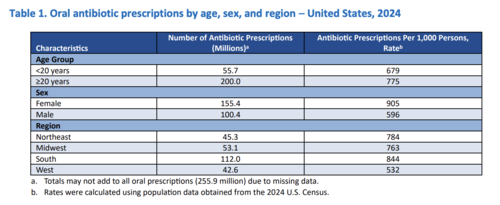
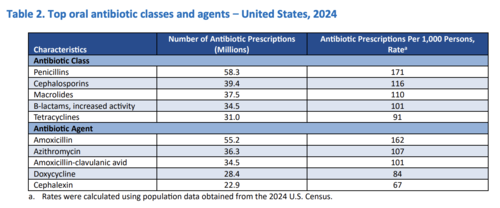
- CDC: Antibiotic Use in the United States, 2024 Update — Annual report on outpatient antibiotic prescriptions, usage rates, and stewardship efforts. https://www.cdc.gov/antibiotic-use/media/pdfs/2024-Annual-Report-508.pdf
- Dethlefsen & Relman, 2011 (PNAS) — Landmark study showing antibiotics cause long-term shifts in the human gut microbiome, sometimes lasting months or years. https://www.pnas.org/doi/10.1073/pnas.1000087107
- Hempel et al., 2012 (JAMA Meta-analysis) — Review of 82 randomized trials showing probiotics reduce antibiotic-associated diarrhea. https://jamanetwork.com/journals/jama/fullarticle/1148203
- Johnston et al., 2012 (Cochrane Review) — Evidence that probiotics lower the risk of Clostridioides difficile infection in patients taking antibiotics. https://www.cochranelibrary.com/cdsr/doi/10.1002/14651858.CD006095.pub3/full
- Kristensen et al., 2016 (Gut) — Systematic review showing probiotics make only small, temporary changes in the gut microbiota of healthy adults. https://gut.bmj.com/content/65/3/420
- Panigrahi et al., 2017 (Nature) — Large clinical trial in infants showing probiotics plus prebiotics reduce sepsis and infection rates by 40%. https://www.nature.com/articles/nature23480