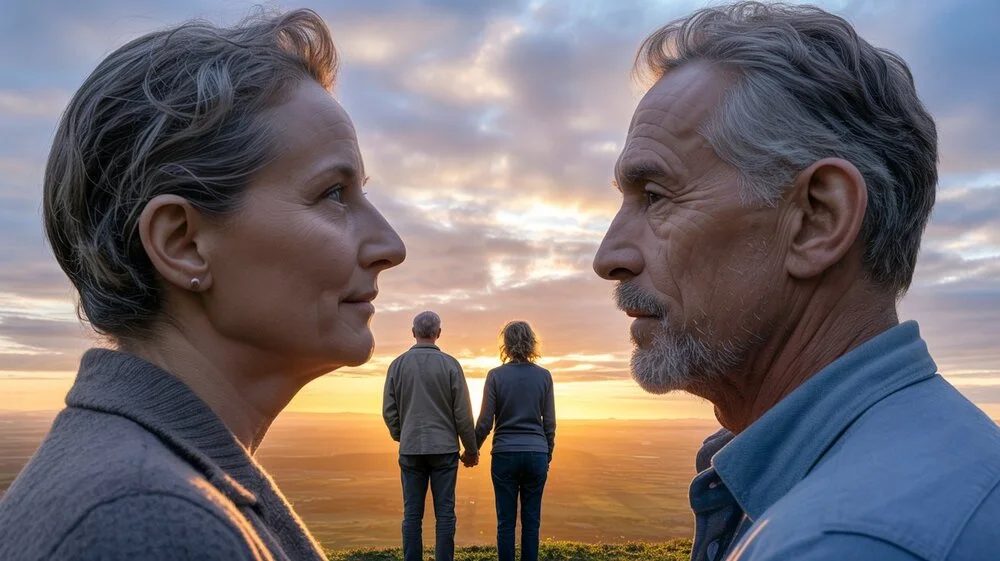
You Think You’re Young, Until You’re Not
When you're young, it feels like time belongs to you. Your body obeys, your mind runs fast, and the future seems far away. You imagine aging as something that happens to other people until one morning you look in the mirror and realize it's happening to you.
The strength you once took for granted begins to shift. The recovery that used to take a night now takes a week. The fire is still there, but it burns differently.
Nobody talks about this stage honestly. The media glorifies youth and sells anti-aging creams, but no one explains what really changes — not just in the body, but in the mind and spirit.
Here's a truth that startles most people: the real “healthy years” of your life, when your body performs almost exactly the way you want it to, usually last only from about 18 to 50. That's just 32 years of full physical freedom.

After that, small changes begin to gather momentum: slower recovery, reduced muscle tone, lower hormone levels, weaker eyesight, thinner skin. For some, it starts earlier. For others, the slide is subtle but relentless.
This isn't a tragedy. It's a handover. The body begins to pass the baton to the mind and spirit. From that point on, your quality of life depends less on what you can do physically and more on how wisely you adapt. You start discovering new kinds of strength, the quiet ones: patience, perspective, presence.
What most people call “getting older” is actually the process of becoming real, stripped of illusions, driven by truth, and guided by gratitude rather than goals.
The truth is simple but hard to see from the fast lane of youth: aging isn't about decline. It's about integration, the merging of everything you've lived, endured, and loved into a calmer, stronger, wiser version of yourself.
Beliefs Shape the Body
What you believe about aging becomes your biology. People who view aging as growth live longer and stay sharper than those who expect decline. The brain listens to the story you tell about yourself. When you think of aging as improvement, as gaining skill in the art of living, your body cooperates.
Emotional Wisdom Ripens with Time
While reflexes may slow, emotional intelligence flourishes. Older adults recover from setbacks faster and hold less resentment. The storms still come, but they pass more quickly. This is the quiet strength of perspective, knowing when to speak, when to listen, and when to let go.
Time Feels Shorter, but Moments Feel Deeper
Each year passes faster because your brain measures time relative to how long you've lived. Yet the paradox of aging is that awareness deepens. You begin to live in full sentences instead of fragments. The world slows down when you truly look at it.

The Ego Softens and the Heart Opens
Midlife marks the beginning of a powerful shift. Status and achievement start to matter less, while connection and contribution matter more. This is not weakness. It's evolution. The ego steps aside so the heart can lead, and what once felt like loss becomes liberation.
The Inner Light Strengthens
Inside every cell are mitochondria, tiny generators that convert food and sunlight into energy. Their numbers decline with age, but meditation, movement, and natural light can revive them. Ancient traditions called this awakening the inner fire. Science now agrees that we truly shine from within.
Sleep Becomes Sacred Medicine
Deep sleep may take more effort to find, yet its value increases. During slow-wave sleep, the brain cleans itself of toxins that build up through the day. Good sleep becomes a nightly detox for body and mind, one of the simplest ways to slow aging.
Pain as a Teacher, Not a Punishment
Pain is no longer just physical; it becomes a form of instruction. Through it, you learn patience, humility, and surrender. Many discover that what hurts also heals, because it forces awareness back into the present moment where acceptance lives.

Hidden Energy Awakes in Stillness
As hormones decline, another kind of power emerges. Breathwork, walking, or mindful movement can unlock a deeper current of energy that muscles alone could never reach. It is the power of being fully alive in your own skin.
Intuition Expands as the Mind Quiets
When ambition fades, perception sharpens. Many older adults notice they can sense the feelings of others more clearly. Without noise and competition, intuition becomes a reliable compass, a connection to something greater than reason.
Death Anxiety Diminishes
Surprisingly, the fear of dying often weakens with age. The mind begins to accept what the spirit already knows: everything changes form, nothing truly ends. Instead of shrinking from mortality, many people start to feel a gentle sense of return.

Gratitude as a Healing Frequency
Gratitude is not an emotion; it is chemistry. It lowers blood pressure, eases inflammation, and steadies the heart. Older adults who live in gratitude often radiate calm strength. They have learned that happiness is not getting what you want, it's wanting what you have.
Choosing Fewer, Deeper Connections
Time filters relationships. You stop spending energy on people who drain you and invest it in those who restore you. Friendship becomes about resonance rather than routine. Fewer people, deeper roots, stronger peace.
The Silent Weight of Loneliness
If ignored, isolation quietly erodes the body. The nervous system interprets loneliness as danger and floods the bloodstream with stress hormones. The cure is not just company but connection, laughter, shared purpose, and belonging.
Nature as Mirror
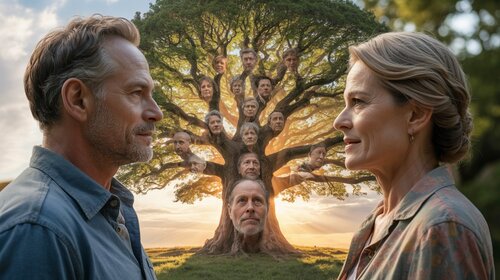
In later life, nature begins to feel familiar again. The aging tree, the morning light, the falling leaf, all echo the same truth: life is cyclical, not linear. The body recognizes itself in the rhythm of the seasons and remembers it was never separate.
Creativity Can Peak After Sixty
The myth that creativity fades is false. Freed from comparison and ambition, the older mind becomes playful again. Experience combines with imagination, producing art, solutions, and wisdom that youth cannot yet reach.
From Pleasure to Purpose
You stop chasing stimulation and start cultivating meaning. The thrill of novelty gives way to the serenity of purpose. Fulfillment comes not from having more but from becoming more aware.
Forgiveness Restores Energy
Holding resentment exhausts the nervous system. Letting it go releases trapped energy. Forgiveness is not about forgetting. It is about remembering without bitterness. Peace follows the release of old stories.

Aging as Integration, Not Decline
When you gather all that you have lived, you realize aging is not falling apart. It is coming together. The body slows so the soul can speak more clearly. Every line on your face is a signature of survival, every scar a reminder that you endured and learned.
The Reassuring Truth
Aging is not something to fear. It is nature's invitation to awaken. The body changes, but the spirit expands. The heart grows wiser, the mind quieter, and love becomes your main language.
The purpose of life is not to stay young forever. It is to grow into the fullness of who you really are, calm, aware, and completely alive.
About the Author
Scott Oliver, 66, is living well with prostate cancer after dedicating more than 4,000 hours to researching the condition. His first goal is to help men reduce their risk of developing prostate cancer through proven lifestyle strategies.
When diagnosed, his mission is to help men avoid unnecessary prostate surgeries that can lead to devastating complications such as incontinence, bleeding, permanent impotence, and a loss of length.
Scott Oliver is not a doctor and does not offer medical advice; however, he is healthier and fitter than he has been in decades. Through his articles and videos, he shares hard-to-find, uncensored information on proven alternative therapies, effective fitness methods, and repurposed drugs, content that most doctors won’t mention and search engines suppress.
He is an accredited member of the National Writers Union (NWU) and the International Federation of Journalists (IFJ), the world’s largest organization of professional journalists. Scott is also the author of What If Cancer’s Best Defense Is Free? Sleep as a Defense Against Cancer: A Former Royal Marines Commando’s 4,000-Hour Research Roadmap, where he reveals how sleep repairs DNA, restores immunity, and strengthens the body’s natural defenses against cancer.
You can always contact Scott Oliver here with your questions and suggestions.
Relevant Expert Resources to Support This Article
- Longevity and Positive Self-Perceptions of Aging — Older adults with positive views of their own aging lived an average of 7.5 years longer in this Yale study. Read the study
- Socioemotional Selectivity and Emotional Wisdom — Explains why emotional regulation improves with age as people focus more on meaningful goals. Read the research
- Healthy Life Expectancy (HALE) — World Health Organization data showing how “healthy” life expectancy differs from total years lived. Read at WHO
- Loneliness and Health Risks in Older Adults — The U.S. National Institute on Aging links chronic isolation to heart disease and cognitive decline. Read at NIA
- Sleep, Memory, and Brain Cleansing — Scientific American explains how deep sleep flushes toxins and supports brain longevity. Read at Scientific American
- Neuroplasticity and Creativity in Later Life — NIH review showing the aging brain remains adaptable and capable of creative growth. Read at NIH