How a 13-Hour Family Lunch in Guatemala Taught Me to Slow Down.
Everywhere you look, people are in a hurry. Cars push forward in traffic. Phones buzz between tasks.
Even during meals, many eat as if they are late for something. It seems normal, yet most of us can feel the tension that comes from moving too fast. The question is, what are we really gaining by rushing?
The Illusion of Time Saved
Imagine you have a one-hour commute. At fifty miles per hour, the trip takes about an hour and twelve minutes. At eighty miles per hour, you arrive in forty-five minutes. The difference is twenty-seven minutes.
So yes, on paper, rushing saves time. But what happens in those twenty-seven minutes?
Your heart beats faster. You are more alert, but not in a peaceful way. You might risk your safety or that of others. A single mistake can change a life. When you arrive, your body is still full of tension. You have gained minutes, but lost calm.
This is the same trade we make every day when we rush to finish emails, eat too quickly, or talk before listening. We save small amounts of time, but lose the very thing time is meant to hold, the experience of living.

A Lesson from a Guatemalan Lunch
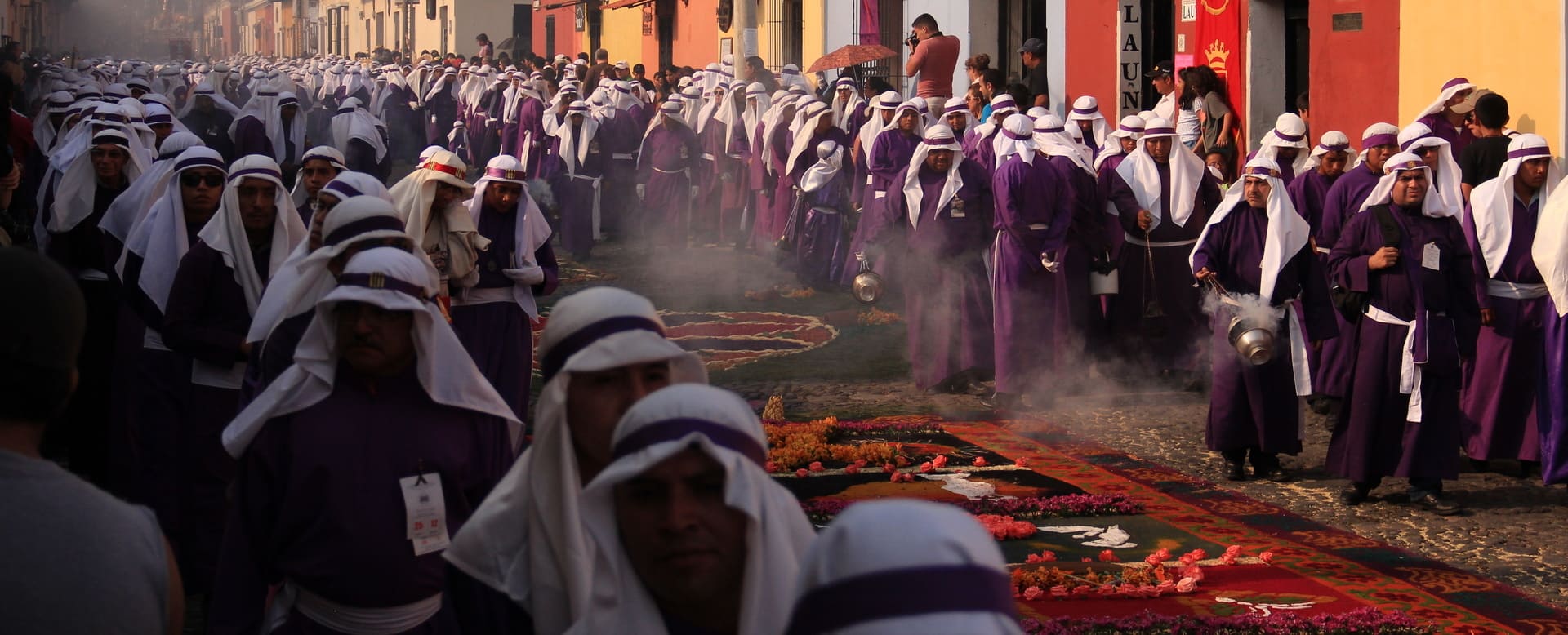
When I first met my wife's family in Guatemala twenty-five years ago, I was invited to one of their family lunches. Being British, a former Commando and Wall Street stockbroker, I thought in efficient terms. I assumed, “Give it an hour or so, and we'll be on our way.”
We arrived at eleven in the morning. We got home thirteen hours later at midnight.
At first, I was restless. I kept glancing at my watch, wondering when lunch would end. But slowly, something shifted. I began to notice the laughter, the long conversations, the easy rhythm of people simply being together. No one seemed in a hurry to finish anything. They were enjoying the day itself.
That experience taught me more about time than any productivity seminar ever could. It showed me that life is not meant to be rushed through. It is meant to be lived in full, unhurried moments.

Why We Rush
We rush because we fear being late, missing out, or falling behind. We rush because our culture rewards speed. Fast people are seen as productive, efficient, and successful.
Yet much of our rushing is unnecessary. It comes from habit, not need. The body and mind become used to the pressure, so slowing down feels wrong, even though it is what we need most.
The Hidden Cost
When we live in a hurry, our stress hormones stay high. The body stays on alert. Digestion weakens. The mind becomes less creative and less patient.
Relationships suffer because attention disappears. Over time, this pattern can damage health. Studies show that chronic stress shortens lifespan, lowers immunity, and reduces our ability to feel joy.
The worst part is that rushing rarely ends. The faster we move, the more we believe we must keep moving. We lose the ability to rest, even when there is no reason to hurry.

The Power of Slowing Down
Slowing down is not laziness. It is wisdom. When you take your time, your breathing deepens. You notice details. Food tastes better. Conversations have meaning. Your body relaxes, and your mind clears. Time itself begins to stretch. What once felt like a race becomes something closer to peace.
It helps to build small habits that protect calm:
- Leave earlier than you think you need to.
- Walk slowly to your car or bus.
- Eat one meal a day without a screen.
- Before starting a new task, take one slow breath and pause.
These tiny moments teach the body that it is safe to rest. With practice, you will find that calm becomes your natural speed.
The Real Destination
In the end, rushing does not get us to life faster. It only gets us to the end faster.
The true purpose of life is not to see how much we can fit into a day, but how fully we can experience each hour. When we stop rushing, we discover that time was never the problem. The problem was how we were using it.
So take your time. Drive a little slower. Breathe before you speak. Sit for one extra minute when you finish eating. Life is not waiting at the end of your hurry. It is happening right now, in the stillness you have been racing past.

About the Author
Scott Oliver is a British writer and former Royal Marines Commando who has lived abroad since 1985. Over the last 66 years, he’s called twelve countries home, including twenty-five years in Spanish-speaking nations such as Spain, Costa Rica, and Guatemala. He has also lived in Sierra Leone, Ghana, Nigeria, Liberia, Cyprus, the USA, Grand Cayman and now lives in Mauritius.
A warrior by nature, Scott is living with prostate cancer and writing from the front lines. He speaks directly to men about health, masculinity, freedom, and strength, physically, mentally, emotionally, and sexually. His views are proudly independent: he questions conventional medicine, challenges destructive treatments, and tells the truth most men never hear.
Scott Oliver is an officially accredited member of the National Writers Union (NWU) and the International Federation of Journalists (IFJ), the world’s largest organization of professional journalists. He spent ten years on Wall Street and another decade as an offshore wealth manager, specializing in globally diversified, multi-currency hedge fund portfolios. He is the author of What If Cancer’s Best Defense Is Free? — Sleep as a Defense Against Cancer: A Former Royal Marines Commando’s 4,000-Hour Research Roadmap, where he reveals how sleep repairs DNA, restores immunity, and strengthens your fight against cancer. He’s also the author of books on offshore investing and Costa Rica real estate and has written thousands of articles in English and Spanish on living abroad with courage, clarity, and conviction.
You can always contact Scott Oliver here with your questions and suggestions.
📚 Books and Resources That Help You Slow Down and Live in the Moment
- The Power of Now by Eckhart Tolle
Teaches how peace arises when we stop living in the past or future and return our awareness to the present moment.
Read at Penguin Random House - Wherever You Go, There You Are by Jon Kabat-Zinn
A simple and practical guide to mindfulness from the pioneer of Mindfulness-Based Stress Reduction.
Read at Mindful.org - Stillness Is the Key by Ryan Holiday
Blends Stoic and Buddhist wisdom to show how calm and clarity come from slowing the mind.
Read at RyanHoliday.net - The Miracle of Mindfulness by Thich Nhat Hanh
A timeless reminder that ordinary acts like washing dishes or eating can become meditations in awareness.
Read at Plum Village - “The Art of Now: Six Steps to Living in the Moment” – Psychology Today
A concise article offering science-based steps to help reduce mental time travel and stay grounded in the present.
Read at Psychology Today - Radical Acceptance by Tara Brach
Combines psychology and mindfulness to help readers let go of self-criticism and embrace life as it is now.
Read at Penguin Random House - The Untethered Soul by Michael A. Singer
Shows how to quiet the inner voice and experience freedom through pure awareness.
Read at MichaelSinger.com - Where Happiness Begins by Eva Holland – The Atlantic
A personal reflection on how slowing down and living in the moment changed the author's idea of happiness.
Read at The Atlantic - When Things Fall Apart by Pema Chödrön
A compassionate guide to finding calm within chaos and accepting the present as a teacher.
Read at Shambhala Publications - “Mindfulness in Everyday Life” – Harvard Health Publishing
A science-based overview of mindfulness, showing how present-moment awareness improves both health and happiness.
Read at Harvard Health Publishing