
The Truth Men With Prostate Cancer Need To Know About Eating Eggs
Ask ten prostate cancer patients about eggs and you will hear ten different answers.
One man has been told to never touch them again. Another has been told they are a perfect health food. A third is quietly ignoring everyone and still eating three fried eggs with bacon every morning.
Somewhere between fear and denial is a calmer place where science lives. That is where this article is aimed. You do not need to become terrified of food, and you also do not need to pretend that diet does not matter. You need clarity.

Where Did The “Eggs Feed Prostate Cancer” Story Come From?
The fear around eggs started with a large Harvard study that followed men over many years. In that study, men who ate at least 2.5 eggs per week had a higher risk of developing lethal prostate cancer than men who ate less than half an egg per week. The increase in risk was about 80 percent for the highest egg consumers in that group.
The same research group later looked at a nutrient called choline, which is very concentrated in egg yolks. Men in the highest choline intake group (about 470 mg per day and above) also had a higher risk of lethal prostate cancer.
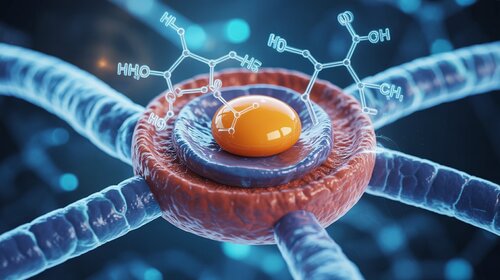
This is how the story began. Eggs contain a lot of choline. Prostate cancer cells seem to use choline in their membranes and metabolism. A few studies linked high choline and high egg intake to worse outcomes. It is not surprising that people ended up believing that “eggs feed prostate cancer.”
But That Is Not The Whole Story
When scientists pooled the results of several studies in a meta analysis, they did not find a clear, consistent link between egg intake and overall prostate cancer risk or prostate cancer mortality.
More recent reviews of egg consumption and health outcomes have also concluded that the evidence is too weak to say that eggs should be banned from a healthy diet for everyone.
At the same time, modern research is much more confident about other things that do matter for prostate cancer progression. High intake of saturated fat and obesity are linked with worse outcomes and more aggressive disease.
Men who move their diet in a more plant based direction, with more vegetables, fruits, beans, whole grains, nuts and olive oil, seem to have slower disease progression and better quality of life.
So we have a mixed picture. A few studies raise a warning sign at high egg and choline intake. Other studies find no strong association. Newer work keeps pointing in the same direction for the big picture: less saturated fat, more plants, better outcomes.
The Right Question: Not “Are Eggs Poison?” But “How Many, How Often, And In What Diet?”
For a man with prostate cancer, the useful question is not whether eggs are toxic. The useful question is how eggs fit into the overall pattern of eating and how often they appear on the plate.
In the studies that raised concerns, the risk signal appears at a higher intake level. Men eating 2.5 to 3 or more eggs per week, often over many years, sometimes in the context of rich, animal heavy diets, looked different from men who ate eggs rarely.
There is a big difference between someone who has two boiled eggs on Sunday with a plate of tomatoes and spinach, and someone who eats three fried eggs with bacon, butter and white toast every single morning.
- The dose matters: High intake every day is very different from occasional use.
- The context matters: Eggs in a plant rich diet behave differently than eggs in a high fat, high sugar, low fibre diet.
- Your goals matter: A man trying to optimise every possible variable after a worrying PSA result will make different choices than a man who already has excellent metabolic health.

Understanding The Choline Question
Choline sounds technical, but the idea is simple. It is a nutrient the body uses to build cell membranes, support liver detoxification, make neurotransmitters, and maintain brain health. Too little choline is not healthy. Eggs happen to be one of the richest sources of choline, which is why nutritionists often recommend them in the general population.
Some research suggests that blood markers linked to choline metabolism are higher in people who develop prostate cancer, and that high choline intake may be associated with lethal disease.
But these are associations, not proof of cause and effect. Many other factors may be involved, including overall animal food intake, saturated fat, and obesity.
Most experts who look at the full data do not say that all food sources of choline must be eliminated. They say that for men with prostate cancer it is reasonable to avoid very high intake of choline from eggs and supplements and to shift more of the plate toward plant foods.
How Many Eggs Make Sense For A Man With Prostate Cancer?
No one can give a perfect number for every man. But there is a practical, cautious range based on what we know.
First, there is no convincing evidence that a man who eats one egg occasionally is putting himself in danger. The signals of higher risk begin at higher intakes in observational studies and even those signals are not consistent across all research.
If you take the studies seriously, and you also want to respect the benefits of a calmer, more plant based diet, then a sensible guideline for men with prostate cancer is:
- Use eggs sparingly, not daily. Think of eggs as a side player, not the star of breakfast every morning.
- 3 to 4 whole eggs per week is a reasonable cautious upper limit for many men who want to protect themselves without living in fear of every bite.
- Up to 6 per week may still be acceptable for some men if the rest of the diet is very clean, low in saturated fat, rich in plants, and weight and blood sugar are well controlled.
- A daily habit of two or three whole eggs is best avoided for a man with prostate cancer, especially if those eggs come with bacon, processed meat, cheese, butter or fried oils.
This is not because one egg is poison. It is because the combination of high choline, cholesterol, saturated fat, and a typical Western plate sends the overall metabolic environment in the wrong direction for a prostate that is already under attack.
A Smarter Way To Use Eggs: Whole Eggs Plus Egg Whites
One of the easiest strategies is to keep the taste and satisfaction of eggs, but reduce the choline and saturated fat load by changing the ratio of yolks to whites.
For example, instead of eating three whole eggs, you can eat:
- One whole egg for flavour and nutrients
- Two or three extra egg whites for extra protein
This simple change cuts down choline and saturated fat while keeping protein high. This is why bodybuilders and athletes often use “one egg plus egg whites” rather than large numbers of whole eggs. For a man with prostate cancer, this pattern keeps breakfast satisfying and high in protein without pushing the risk factors that concern researchers.

What A Prostate Friendly High Protein Breakfast Looks Like
Once you stop thinking in terms of “eggs yes or no” and start thinking in terms of “what kind of breakfast supports my prostate and my whole body,” the choices open up.
A high protein breakfast that supports prostate health will usually include three things:
- A solid source of protein.
- Healthy fats in modest amounts from plants or fish.
- Plenty of colour from vegetables or berries.
Here are a few examples that fit that pattern and still feel like real food, not punishment:
- The “Warrior” Omelette: One whole egg plus three egg whites, cooked gently with spinach, mushrooms and tomato, seasoned with turmeric and black pepper, using a small amount of olive oil if needed. This gives you protein, antioxidants and fibre without overloading the yolks.
- Greek yogurt bowl: Unsweetened Greek yogurt with a handful of berries, a spoonful of ground flax or chia seeds, and a light sprinkle of nuts and cinnamon. This gives high protein, healthy fats, fibre and a shot of plant polyphenols that support metabolic health.
- Plant based protein shake: A scoop of pea, hemp or pumpkin seed protein blended with water or unsweetened almond milk, berries, chia seeds and a little turmeric. This is easy on digestion, low in sugar, and rich in anti inflammatory compounds.
- Smoked salmon and avocado: A small plate of smoked salmon or baked salmon leftovers with slices of avocado, tomato and lemon. This combines protein, omega 3 fats and colourful plants and is a powerful breakfast for brain, heart and prostate.
Eggs can still appear in this world, but they are joining a line up dominated by plants, fish and fermented dairy rather than processed meat and white bread.

Eggs, Saturated Fat And The Bigger Picture
It is important not to get so fixated on eggs that we miss larger and stronger signals in the research. Many studies now support the idea that a diet high in saturated fat and total animal fat is linked with faster prostate cancer progression and higher mortality.
That does not mean that one egg is the same as a plate of processed meat. It does mean that a man with prostate cancer will do more good by focusing on the big rocks:
- Reduce heavy intakes of red and processed meat, high fat dairy and fried foods.
- Increase vegetables, fruits, beans, whole grains, nuts and seeds.
- Use olive oil and other plant oils instead of butter where possible.
- Maintain a healthy weight and good blood sugar control.
When researchers look at men who move towards a plant centred diet after a prostate cancer diagnosis, they see lower risk of disease progression and better overall health.
That is a much clearer and more hopeful message than any single food headline.

The Emotional Side: Fear, Control And Common Sense
Being told you have prostate cancer can turn every plate of food into a moral test. One article says eggs are deadly. Another says they are a perfect keto food. You can end up feeling guilty for eating, angry at conflicting experts, and confused about what to do next.
The truth is more grounded. Food is one of several levers you can pull. It is powerful, but it is also flexible. You do not have to live in fear of one ingredient. You do not have to pretend that science has already answered every question. You can use the best available evidence to make calm, adult choices that support your body without losing the simple pleasure of eating.
If you enjoy eggs, you do not have to ban them forever. You can reduce the dose, change the pattern, pair them with better foods, and put them in their proper place in the bigger picture of how you live, move, sleep and think.

Bottom Line: So, Can Men With Prostate Cancer Eat Eggs?
Here is the core message.
Eggs are not automatically dangerous for men with prostate cancer, but a daily habit of two or three whole eggs is not wise if your goal is to reduce every reasonable risk you can.
The best evidence we have suggests that very high egg and choline intake may be linked with worse outcomes in some men, while moderate intake in the context of an overall healthy diet appears far less concerning.
If you have prostate cancer and you want to be prudent without becoming fearful, a balanced approach is:
- Limit whole eggs to a few per week, not several per day.
- Use the “one whole egg plus egg whites” strategy if you want more protein.
- Surround any eggs you do eat with vegetables, healthy fats and whole foods, not processed meats and fried starches.
- Put most of your energy into shifting towards a plant centred, low saturated fat, fibre rich way of eating that supports your whole body and not just your prostate.
In other words, eggs can still appear at your table. They just should not be the centre of your cancer story. Your overall pattern of eating and living will matter far more than whether you ever eat another boiled egg again.
About the Author
Scott Oliver, 66, is living well with prostate cancer after dedicating more than 4,000 hours to researching the condition. His first goal is to help men reduce their risk of developing prostate cancer through proven lifestyle strategies.
When diagnosed, his mission is to help men avoid unnecessary prostate surgeries that can lead to devastating complications such as incontinence, bleeding, permanent impotence, and a loss of length.
Scott Oliver is not a doctor and does not offer medical advice; however, he is healthier and fitter than he has been in decades. Through his articles and videos, he shares hard-to-find, uncensored information on proven alternative therapies, effective fitness methods, and repurposed drugs, content that most doctors won’t mention and search engines suppress.
He is an accredited member of the National Writers Union (NWU) and the International Federation of Journalists (IFJ), the world’s largest organization of professional journalists. Scott is also the author of What If Cancer’s Best Defense Is Free? Sleep as a Defense Against Cancer: A Former Royal Marines Commando’s 4,000-Hour Research Roadmap, where he reveals how sleep repairs DNA, restores immunity, and strengthens the body’s natural defenses against cancer.
You can always contact Scott Oliver here with your questions and suggestions.
Scientific and Medical References Personally Reviewed by Scott Oliver.
- Egg, Red Meat, and Poultry Intake and Risk of Lethal Prostate Cancer
Long running Harvard cohort study that first reported higher risk of lethal prostate cancer among men eating 2.5 or more eggs per week compared with rare egg eaters. Read the study - No Association Between Egg Intake and Prostate Cancer Risk: A Meta Analysis
Combined results from several prospective studies and found no significant link between egg consumption and overall prostate cancer incidence or mortality. Read the study - Prostate Cancer Progression and Mortality: A Review of Diet and Lifestyle Factors
Comprehensive review that discusses eggs and choline along with other dietary factors, and highlights the importance of saturated fat and overall dietary patterns. Read the review - Plant Based Diets and Disease Progression in Men With Prostate Cancer
Recent cohort study showing that higher intake of plant foods after diagnosis is associated with lower risk of prostate cancer progression. Read the study - UCSF Osher Center: Animal Protein and Cancer Risk
Patient friendly overview of animal protein, eggs and cancer risk from a leading integrative oncology centre, including discussion of egg and choline studies in prostate cancer. Read at UCSF Osher Center - Prostate Cancer Foundation: Benefits of a Plant Based Diet
Clear summary of why a plant centred diet appears to reduce prostate cancer progression and support overall health in men. Read at Prostate Cancer Foundation