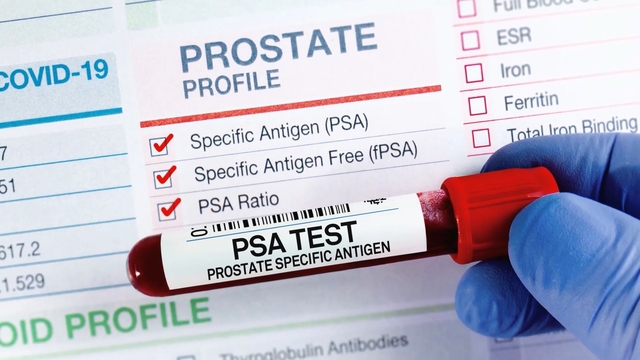
Control the Response, Not the Number: A Smarter Way to Think About PSA and Stress
Most men believe stress is something they feel.
In reality, it is something their body is doing to them, often quietly, repeatedly, and without their awareness.
And for men living with prostate concerns, this process may be influencing far more than they realize.
The number is data. Your response is biology.
It's Not Stress That Causes the Damage, It's What Happens Next
Stress, in short bursts, is not the enemy. It is a normal and useful response designed to help you react, adapt, and survive.
But when stress becomes constant, when the body never fully switches off, something changes.
Cortisol remains elevated. Recovery is reduced. Inflammation quietly increases. Sleep becomes less restorative. The nervous system remains on alert.
Over time, this is no longer a response.
It becomes an environment.
What Chronic Stress Is Doing Inside the Body
When stress is poorly managed, several biological systems begin to shift.
Hormones become less stable. Testosterone may decline or fluctuate. Cortisol remains elevated longer than it should.
At the same time, low-grade inflammation begins to persist in the background. Not enough to be obvious, but enough to influence how the body functions.
The nervous system also becomes imbalanced. The body spends more time in “fight or flight” and less time in recovery mode.
This combination, hormonal disruption, inflammation, and reduced recovery is where the real impact occurs.

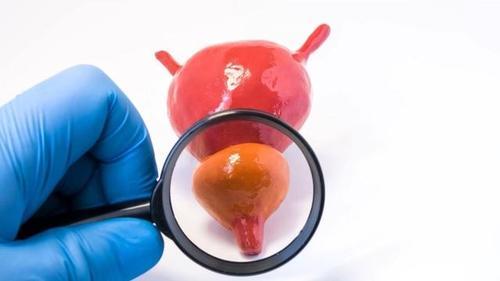
Why This Matters for Prostate Health
Many men focus only on the prostate itself.
Few consider the environment the prostate is living in.
Inflammation can influence PSA levels. Hormonal changes can affect the prostate's internal balance. Chronic tension in the pelvic region may contribute to discomfort and urinary symptoms.
This does not mean stress causes prostate disease.
But it does mean that the internal environment, shaped in part by stress, may influence how the body behaves over time.
The Hidden Loop Most Men Never See
For many men, the process becomes circular.
A PSA result comes back higher than expected.
The mind reacts quickly. Concern turns into worry. Worry turns into ongoing stress.
The body responds with increased tension, disrupted sleep, and elevated stress hormones.
Over time, this creates conditions that may further influence how the body functions.
And so the loop continues.
The number did not create the stress. The interpretation of the number did.
The Rising PSA: Two Different Responses
The result is the same.
The response is not.
One man sees the number and immediately reacts:
“This is bad. It's getting worse.”
His body tightens. His mind races ahead. Sleep is affected. The stress response is activated within seconds.
There is no separation between the number and the meaning he assigns to it.
Another man pauses.
He observes the same number, but his internal process is different.
“The number has increased.”
Then:
“I notice I'm having the thought that this is dangerous.”
He separates the data from the story.
He recognizes that PSA can fluctuate. That context matters. That one data point is not a conclusion.
He slows his breathing. Relaxes his body. Steps back before deciding what to do next.
The situation has not changed.
But his biology has.
Where Metacognition Changes Everything
This ability to observe your own thinking is called metacognition.
It creates a gap between the thought and the reaction.
Without it, every thought is treated as fact. Every concern becomes a signal of danger. The body responds accordingly.
With it, thoughts are seen clearly, not blindly followed.
You cannot stop thoughts from appearing.
But you can stop treating every thought as a command.
What Men Often Get Wrong About Stress
Many believe stress is something purely mental.
It is not.
It is a full-body physiological response involving hormones, the nervous system, and inflammatory processes.
Others believe it is uncontrollable.
This is only partly true.
You may not control what happens around you.
But you can influence how long the stress response lasts, how quickly your body recovers, and how your mind interprets events.
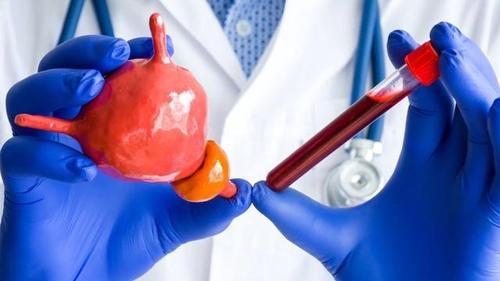
The Control Framework — What Actually Helps
Control does not come from eliminating stress.
It comes from managing your response to it.
Sleep is one of the most powerful regulators. Deep, consistent sleep helps normalize hormones and reduce inflammation.
Movement, especially regular walking lowers baseline stress levels and improves circulation throughout the body.
Breathing plays a direct role. Slow, controlled breathing signals the body to shift out of stress mode.
And mental framing matters more than most realize. Interpreting every change as a threat keeps the system activated. Seeing events as information allows the body to remain stable.
Control What You Can
You cannot control every PSA result.
You cannot control every variable involved in prostate health.
But you can control the internal environment your body operates in.
That environment is shaped daily, by how you think, how you move, how you recover, and how you respond.
A Calm, Thinking Man Sees Clearly
Staying calm does not mean ignoring reality.
It means seeing it without distortion.
It means refusing to let automatic thinking turn every piece of data into a threat.
It means responding, not reacting.
Final Thought
The goal is not to eliminate stress.
The goal is to stop letting it run your biology unchecked.
For many men, this may be one of the most overlooked, and most controllable parts of their journey.
You may not control every result. But you can control the environment your body lives in.
Questions to Reflect On
Am I reacting to numbers… or responding to them?
Is my daily routine calming my body, or keeping it in a constant state of tension?
What would change if I trained my mind as deliberately as I monitor my body?
About the Author
Scott Oliver, 66, is living well with prostate cancer after dedicating more than 4,000 hours to researching the condition. His first goal is to help men reduce their risk of developing prostate cancer through proven lifestyle strategies.
When diagnosed, his mission is to help men avoid unnecessary prostate surgeries that can lead to devastating complications such as incontinence, bleeding, permanent impotence, and a loss of length.
Scott Oliver is not a doctor and does not offer medical advice; however, he is healthier and fitter than he has been in decades. Through his articles and videos, he shares hard-to-find, uncensored information on proven alternative therapies, effective fitness methods, and repurposed drugs, content that most doctors won’t mention and search engines suppress.
He is an accredited member of the National Writers Union (NWU) and the International Federation of Journalists (IFJ), the world’s largest organization of professional journalists. Scott is also the author of What If Cancer’s Best Defense Is Free? Sleep as a Defense Against Cancer: A Former Royal Marines Commando’s 4,000-Hour Research Roadmap, where he reveals how sleep repairs DNA, restores immunity, and strengthens the body’s natural defenses against cancer.
You can always contact Scott Oliver here with your questions and suggestions.