The Hidden Power Inside You: What the Placebo Effect Reveals About Living With Prostate Cancer
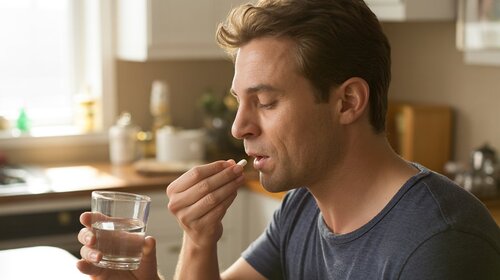
It sounds almost unbelievable at first. A patient is given a pill with no active drug, no chemical designed to treat disease, no medical substance that should have any effect at all. Yet the pain fades. The symptoms improve. The patient feels better.
This is not fiction. It has been observed in clinical trials for decades, across conditions ranging from chronic pain to depression to cancer-related symptoms. The phenomenon is known as the placebo effect, and it forces a question that many men living with prostate cancer have never been encouraged to ask.
If belief alone can change how the body feels, what else might it be doing beneath the surface?
This is not about false hope
Before going further, it is important to be clear. The placebo effect is not magic. It does not mean that thoughts alone can eliminate tumors or replace medical treatment. Serious researchers in oncology are consistent on this point. Placebo responses do not shrink cancer in a measurable way.
But that is not the whole story. What placebo research shows, again and again, is that the mind can influence real biological processes. Pain levels can drop. Fatigue can improve. Mood can stabilize. Even measurable signals in the brain and immune system can shift.
In simple terms, the placebo effect is not imaginary healing. It is measurable physiology triggered by expectation and belief.

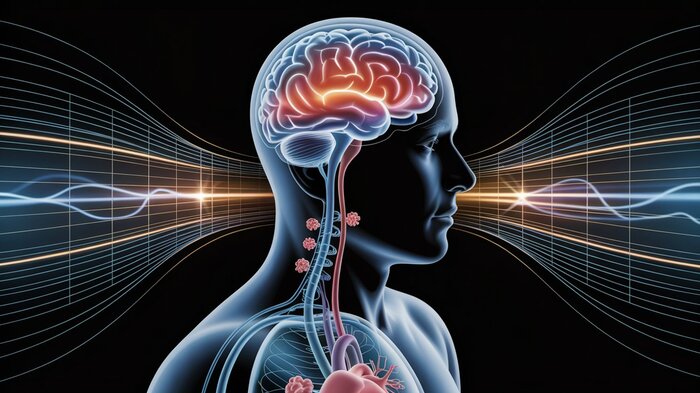
The brain is not a bystander
For many years, medicine treated the brain and the body as separate systems. That view is no longer sustainable. Modern research shows that expectation alone can trigger the release of powerful chemicals in the brain, including endorphins and dopamine, which influence how we feel and how we function.
When a patient expects relief, the brain can reduce the perception of pain. When a patient expects improvement, stress hormones may decrease, and this can influence inflammation and immune signaling. These are not abstract ideas. They are measurable responses observed in controlled clinical environments.
One oncology-focused review described placebo effects as psychobiological responses that can influence the body's internal balance. That phrase may sound technical, but the meaning is simple. What you expect can change what your body produces.
Why this matters in prostate cancer
For a man living with prostate cancer, this insight changes the frame completely. The experience of the disease is not defined only by scans, blood tests, or treatment plans. It is also shaped by perception, expectation, and emotional state.
Two men can receive the same diagnosis and follow similar treatment paths, yet have very different lived experiences. One may feel constant fear, fatigue, and decline. The other may feel stable, capable, and engaged with life. The disease may be the same. The internal experience is not.
This is where the placebo effect becomes deeply relevant. It suggests that the mind is not just observing the illness. It is participating in it.
The overlooked danger, the nocebo effect
If the placebo effect shows the positive power of expectation, the nocebo effect reveals the opposite. Negative expectations can produce negative physical outcomes. Patients who are told to expect side effects often experience them, even when given inactive treatments.
This is not weakness. It is biology.
Fear, anxiety, and catastrophic thinking can increase stress hormones, heighten pain perception, and amplify fatigue. In a cancer context, this can become a silent and constant burden. The mind, under pressure, begins to work against the body rather than with it.
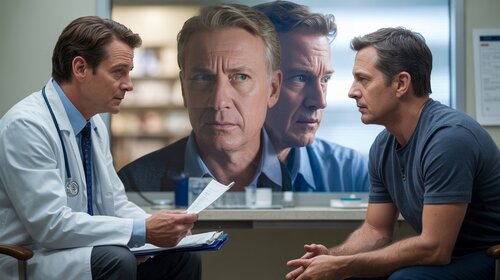
For many men, the moment of diagnosis is where the nocebo effect quietly begins. Words like aggressive, terminal, or advanced can create a mental environment that reinforces decline. The body listens to that environment.
The hidden influence of the medical environment
One of the most fascinating findings in placebo research is that outcomes are influenced not just by the treatment, but by the entire context surrounding it. The authority of the doctor, the tone of their voice, the setting of the clinic, and even the ritual of taking medication can all shape the body's response.
This does not mean doctors are misleading patients. It means that human biology is deeply responsive to meaning and expectation. Healing is not delivered only through a drug. It is delivered through an experience.
For a man navigating prostate cancer, this raises an important question. What kind of environment are you placing yourself in, mentally and physically?

What the mind can and cannot do
Clarity is essential here. The mind can influence how you feel, how you cope, and how your body responds to stress and symptoms. It can improve quality of life, increase resilience, and support your ability to function day to day.
It cannot replace medical treatment, and it should not be treated as a cure for cancer.
This balance is where true power lies. Not in rejecting medicine, and not in blindly accepting every fear-driven narrative, but in understanding that your internal state is always part of the equation.
Applying this in real life
Once you understand that expectation shapes biology, the next step is practical. What you expose your mind to matters. Constant consumption of worst-case scenarios, online forums filled with fear, and dramatic statistics can reinforce a nocebo response.
By contrast, a deliberate shift toward calm, grounded thinking can change how you experience the condition. This does not require denial. It requires discipline. Reframing internal dialogue, building supportive routines, and surrounding yourself with people who project stability rather than panic can all influence your physiological state.
Expectation can be used intentionally. Expect strength. Expect recovery periods. Expect good days. These are not fantasies. They are signals that your brain translates into real biological responses.
The quiet power most men ignore
There is a tendency in modern medicine to focus almost entirely on external interventions. Drugs, procedures, protocols. These are essential, but they are not the full picture.
The placebo effect reveals something that is both simple and profound. The mind is always involved. Whether acknowledged or not, it is shaping the experience of the disease every single day.
Ignoring that influence does not remove it. It only means it operates without direction.
Bottom line
The placebo effect does not prove that the mind can cure everything. It proves something more grounded and more useful. The mind is always influencing the body.
For men living with prostate cancer, the question is not whether this influence exists. The question is whether it is working for you or against you.
Understanding this gives you something many men feel they have lost after diagnosis. A degree of control. Not over everything, but over something that is always present, always active, and always shaping your experience.
Your internal world is not separate from your physical condition. It is part of it.
About the Author
Scott Oliver, 66, is living well with prostate cancer after dedicating more than 4,000 hours to researching the condition. His first goal is to help men reduce their risk of developing prostate cancer through proven lifestyle strategies.
When diagnosed, his mission is to help men avoid unnecessary prostate surgeries that can lead to devastating complications such as incontinence, bleeding, permanent impotence, and a loss of length.
Scott Oliver is not a doctor and does not offer medical advice; however, he is healthier and fitter than he has been in decades. Through his articles and videos, he shares hard-to-find, uncensored information on proven alternative therapies, effective fitness methods, and repurposed drugs, content that most doctors won’t mention and search engines suppress.
He is an accredited member of the National Writers Union (NWU) and the International Federation of Journalists (IFJ), the world’s largest organization of professional journalists. Scott is also the author of What If Cancer’s Best Defense Is Free? Sleep as a Defense Against Cancer: A Former Royal Marines Commando’s 4,000-Hour Research Roadmap, where he reveals how sleep repairs DNA, restores immunity, and strengthens the body’s natural defenses against cancer.
You can always contact Scott Oliver here with your questions and suggestions.
Trusted Expert Resources
- Placebo Effect: A Cure in the Mind
A clear and authoritative overview explaining how belief and expectation produce measurable biological effects in the body.
Read at Scientific American - The Brain That Heals
Explores how the brain influences healing processes, including the release of chemicals that affect pain, mood, and physical function.
Read the article - Placebo and Nocebo Effects in Oncology
A medical review examining how both positive and negative expectations influence patient outcomes in cancer treatment settings.
Read the study - Placebos Prove So Powerful Even Experts Are Surprised
A classic report highlighting real-world cases where placebo responses produced significant symptom improvements.
Read at The New York Times