Do Drug Companies Really Want to Cure Prostate Cancer?
When looking at the pharmaceutical industry, there is an important question: Do drug companies prefer to treat diseases continuously rather than cure them completely? This question matters a lot to men with prostate cancer.
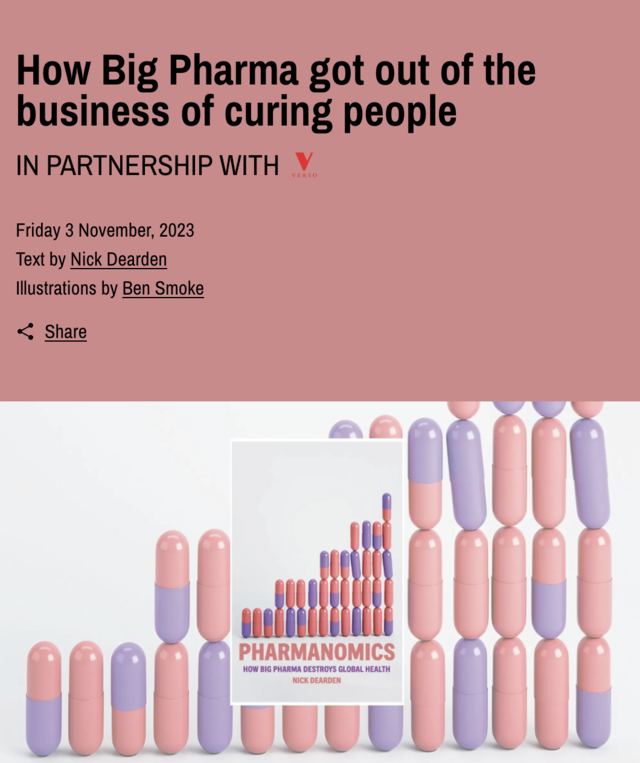
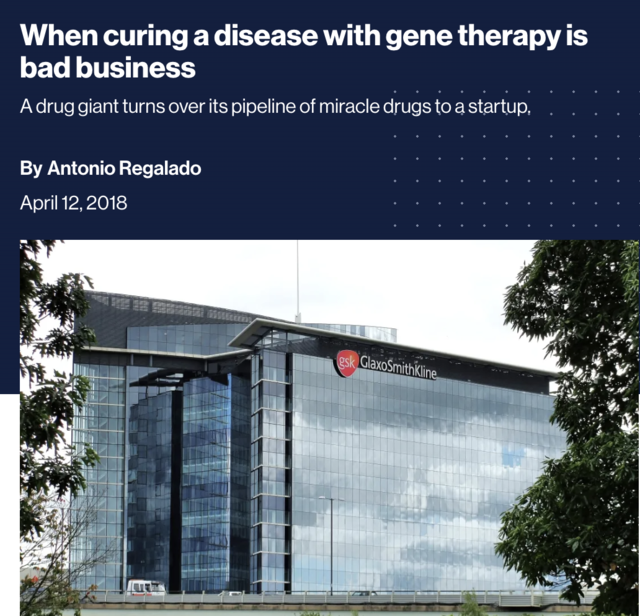
Drug companies often focus on medicines that patients must take repeatedly over long periods because these treatments bring steady profits. In contrast, a permanent cure, like gene therapy, could lead to fewer patients needing treatment, making it less attractive financially.
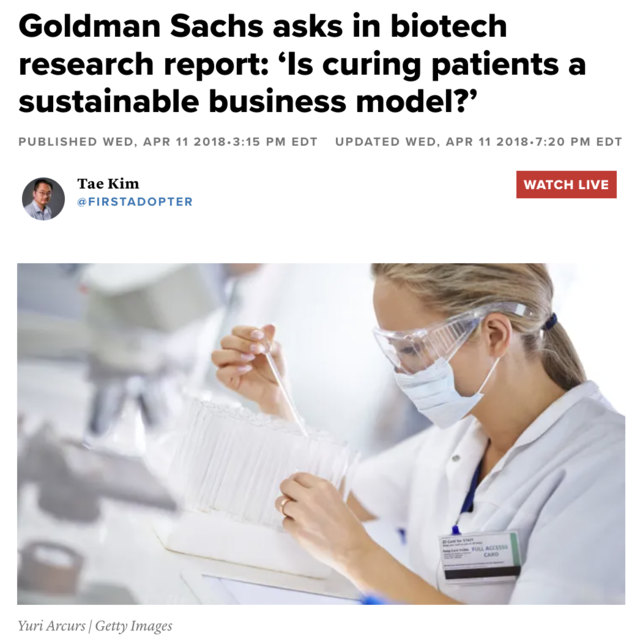
In fact, a 2018 report from Goldman Sachs openly questioned if curing diseases was a sustainable business model for drug companies.
How This Impacts Prostate Cancer Patients
Prostate cancer treatments illustrate this issue clearly. The prostate cancer drug market is growing quickly and expected to reach nearly $20 billion by 2025. This growth comes from medicines that men have to take regularly, often for life.
Drugs like XTANDI (enzalutamide) and ZYTIGA (abiraterone acetate) have made billions because they are ongoing treatments rather than cures.
Doctors and hospitals sometimes prefer treatments like surgery or drugs over less aggressive approaches like active surveillance (careful monitoring without immediate treatment).
This preference may be influenced by financial incentives because treatments that require ongoing medications or surgeries are more profitable.
Why Curing Prostate Cancer Is Difficult for Drug Companies
Developing cures for prostate cancer is challenging because it costs a lot of money and involves risks. Innovative treatments like gene therapy need significant investment, and drug companies might worry that curing patients completely reduces their customer base.
Also, government regulations and lengthy clinical trials add complexity and increase costs, making cures less appealing to pharmaceutical companies.
Changing the Business Model for Better Outcomes
To improve this situation, economic incentives need to shift. For example, drug companies could be rewarded based on successful health outcomes, not just on how much medicine they sell.
New ways of funding research, like partnerships between governments and private companies, could encourage finding cures rather than just ongoing treatments.
From the viewpoint of prostate cancer patients, the current business model of continuous treatment may not always serve their best interests. Patients often face prolonged medication use, high costs, and ongoing stress.
Shifting towards a business model that rewards curing diseases would require major changes but could ultimately provide better, more patient-centered care for men with prostate cancer.
About the Author
Scott Oliver, 66, is living well with prostate cancer after dedicating more than 4,000 hours to researching the condition. His first goal is to help men reduce their risk of developing prostate cancer through proven lifestyle strategies.
When diagnosed, his mission is to help men avoid unnecessary prostate surgeries that can lead to devastating complications such as incontinence, bleeding, permanent impotence, and a loss of length.
Scott Oliver is not a doctor and does not offer medical advice; however, he is healthier and fitter than he has been in decades. Through his articles and videos, he shares hard-to-find, uncensored information on proven alternative therapies, effective fitness methods, and repurposed drugs, content that most doctors won’t mention and search engines suppress.
He is an accredited member of the National Writers Union (NWU) and the International Federation of Journalists (IFJ), the world’s largest organization of professional journalists. Scott is also the author of What If Cancer’s Best Defense Is Free? Sleep as a Defense Against Cancer: A Former Royal Marines Commando’s 4,000-Hour Research Roadmap, where he reveals how sleep repairs DNA, restores immunity, and strengthens the body’s natural defenses against cancer.
You can always contact Scott Oliver here with your questions and suggestions.
Resources Used To Research and Write This Article.
- Goldman Sachs asks in biotech research report: ‘Is curing patients a sustainable business model?' https://www.cnbc.com/2018/04/11/goldman-asks-is-curing-patients-a-sustainable-business-model.html
- How Big Pharma got out of the business of curing people. https://www.huckmag.com/article/pharmanomics-excerpt-big-pharma-hiv-aids-price-gouging-shkreli-who-hub-mrna-abbvie-
- When curing a disease with gene therapy is bad business. https://www.technologyreview.com/2018/04/12/143913/the-gene-therapy-that-cures-bubble-boy-disease-isnt-worth-it-to-glaxo/
- Are financial incentives holding back cures? https://whyy.org/segments/are-financial-incentives-holding-back-cures/
- Curing Diseases Is Sustainable, Government in Healthcare Is Not. https://fee.org/articles/curing-diseases-is-sustainable-government-in-healthcare-is-not/
- Drug companies are incentivised to profit not to improve health, says report. https://www.bmj.com/content/363/bmj.k4351
- The Economics of Curing Disease. https://www.synthego.com/blog/economics-curing-disease
- Aligning Economic Incentives to Eradicate Diseases. https://www.bcg.com/publications/2019/aligning-economic-incentives-to-eradicate-diseases