The Eight Silent Weapons of Mass Destruction Already Targeting America
When most people hear “weapons of mass destruction,” they picture mushroom clouds. Yet the 21st century battlefield is wider.
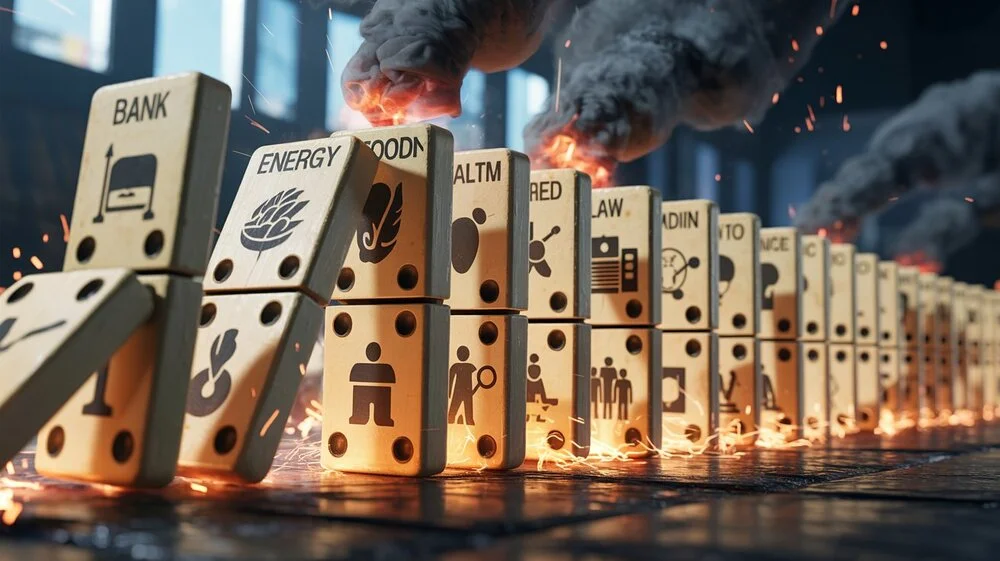
Power is applied through money, media, codes of law, bank rails, pathogens, food and energy supplies, digital systems, and mass migration. These tools don't always explode. They erode, overwhelm, and control.
Core idea: These eight “silent weapons” can harm nations as surely as bombs by destroying trust, sovereignty, stability, and identity. Used together, they can create cascading crises that reshape the world.
-
Weapons of Mass Debt
Debt is the quiet conqueror. When households, companies, or governments take on more than they can service, real power shifts to creditors and distant institutions. Policy becomes tethered to interest payments. Public services are cut. Social fabric frays.
Impact:
-
Lost sovereignty and policy freedom
-
Generational poverty and social unrest
-
Fire-sale privatizations of public assets
U.S./U.K./Europe Examples:
-
U.S. Great Recession (2008): A credit bubble burst cascaded into global recession and long scars in jobs and wealth.
-
Greece (2010s): Austerity tied to rescue packages slashed services and triggered mass protests across the EU's periphery.
-
Debt warnings and downgrades: Periodic alarms about sovereign debt sustainability now influence budgets and politics in the U.S., U.K., and EU.


-
Weapons of Mass Information
Control the story and you control reality. Propaganda, disinformation, and coordinated censorship split societies into hostile camps. When shared facts collapse, democratic problem-solving breaks down.
Impact:
-
Polarization and civic mistrust
-
Paralysis of democratic decision-making
-
Permission for emergency powers “to fight misinformation”
U.S./U.K./Europe Examples:
-
Cambridge Analytica era: Data-driven micro-targeting shaped politics in the U.S. and U.K., stoking lasting division.
-
Algorithmic amplification: Viral falsehoods routinely outpace corrections across Western platforms.
How to Stay Calm and Think Clearly After a Prostate Cancer DiagnosisGet instant access to your free guide now.Join FreeNo spam. Unsubscribe anytime.
-
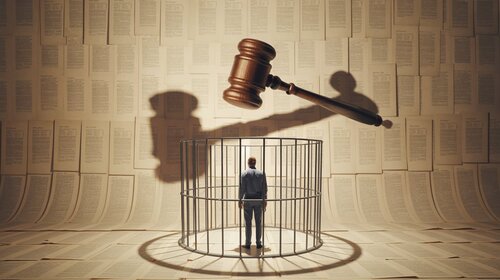
Weapons of Mass Law (Lawfare)
Law can be a sword as well as a shield. Treaties, sanctions regimes, cross-border litigation, and extraterritorial rules can force behavior without a single soldier crossing a border.
Impact:
-
Economic coercion cloaked in legality
-
Freezing assets and limiting movement
-
Permanent precedent for emergency governance
U.S./U.K./Europe Examples:
-
Sanctions via legal frameworks: U.S. and EU instruments regulate trade, finance, and technology transfers.
-
Extraterritorial rules (e.g., tax reporting): Compliance burdens reshape global behavior, including for U.S. and European citizens abroad.

-
Weapons of Mass Finance
Control the pipes and you control the flow. Cutting access to banking rails or freezing reserves can strangle economies overnight. This is war by wire.
Impact:
-
Rapid currency and liquidity shocks
-
Shortages of critical imports
-
Spillovers to allies and global supply chains
U.S./U.K./Europe Examples:
-
SWIFT exclusions and reserve freezes: Employed by the U.S. and EU against adversaries, with global knock-on effects.
-
Humanitarian frictions: Ordinary people often bear the first and worst costs when finance is weaponized.

-
Weapons of Mass Disease
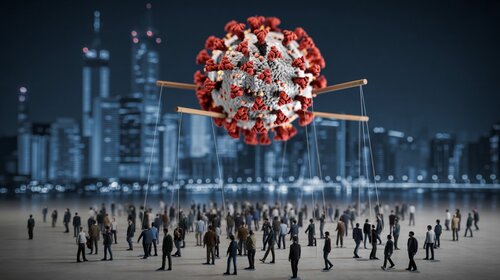
Pathogens and the policies that follow can paralyze whole societies. Even when public-health goals are sincere, sweeping restrictions can damage livelihoods, mental health, and civil liberties.
Impact:
-
Supply chain breaks and lost schooling
-
Emergency powers and surveillance creep
-
Widespread economic scarring
U.S./U.K./Europe Examples:
-
COVID-19: Lockdowns, mandates, and travel controls reshaped daily life across the U.S., U.K., and EU.
-
Credential systems: Debates over vaccine passports highlighted the balance between safety and freedom.
-
Weapons of Mass Food and Water
Hunger and cold change politics fast. Choking fuel, fertilizer, or grain supplies pushes societies toward panic and leaders toward drastic choices.
Impact:
-
Price spikes and food insecurity
-
Riots, regime stress, and migration
-
Strategic dependence on outside suppliers
U.S./U.K./Europe Examples:
-
Europe's energy shock: War-linked supply disruptions exposed deep vulnerability to imported fuel.
-
Fertilizer and grain flows: Constraints and blockades hit prices from the EU to the U.S. grocery aisle.
-
Weapons of Mass Technology (Cyber and Digital)
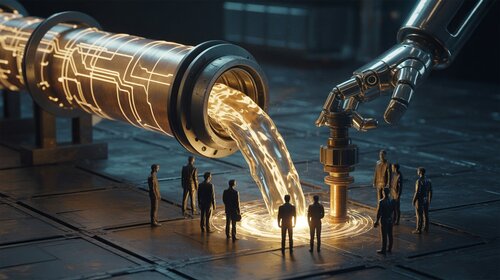
Power now runs through cables and clouds. Cyberattacks can disrupt hospitals, banks, and pipelines. Digital IDs and central-bank digital currencies can centralize control if safeguards fail.
Impact:
-
Critical infrastructure failures
-
Financial access switched on and off
-
Always-on surveillance capabilities
U.S./U.K./Europe Examples:
-
Colonial Pipeline (U.S., 2021): Ransomware led to fuel shortages and panic buying along the East Coast.
-
Digital ID and CBDC pilots: Active debates in the U.K. and EU about privacy, programmability, and civil liberties.
-
Weapons of Mass Migration
Mass movement of people can be natural, but it can also be engineered. By pushing or pulling flows, states and non-state actors can overwhelm services, split coalitions, and pressure rivals into concessions.
Impact:
-
Social strain on housing, schools, and healthcare
-
Political fragmentation and government instability
-
Norms-based blackmail: “open borders vs. hypocrisy” dilemmas
U.S./U.K./Europe Examples:
-
EU migrant crisis (2015–2016): A political earthquake across multiple European states.
-
State-facilitated flows: Documented episodes of visas, transit, or transport used to channel migrants toward EU borders.
-
U.S. border surges: Periodic spikes in arrivals stress local systems and drive national polarization.
How These Weapons Combine: A Plausible Cascade
History shows each weapon can do real damage on its own. The larger risk is how they interact. Below is a realistic worst-case chain, offered as a planning tool, not a prediction.
- Debt shock: A sovereign or banking crisis triggers market panic and credit tightening across the West.
- Finance clamps and supply shocks: Sanctions, reserve freezes, and export controls squeeze energy, grain, and fertilizer. Prices jump.
- Disease layer: A new pathogen or policy overreaction cuts labor supply and amplifies supply chain failures.
- Migration pressure: Food and energy stress, conflict, and disease spark large regional displacements. Some flows are actively engineered.
- Information and lawfare surge: Disinformation deepens fear while emergency legal tools freeze assets and restrict movement.
- Cyber and digital lock-ins: Attacks knock out power or fuel distribution. Digital credentials and payment rails throttle dissent and ration access.
Cumulative effect: famine in fragile regions, political collapse in stressed democracies, and mass mortality where relief fails. The more centralized and brittle the systems, the worse the cascade.
Important: Outcomes depend on policy choices, institutional resilience, and citizen action. Cascades are risks to be mitigated, not fate.
About the “Great Reset” Debate
What its proponents say: After COVID-19, rebuild systems for resilience and sustainability; modernize with digital tools; align business and society.
What critics fear: Centralization of power through digital IDs, programmable money, tighter speech controls, and permanent emergency norms.
Whether you view the “Great Reset” as a policy agenda or a warning sign, one fact remains: these eight vectors of power are real. If misused or combined, they can produce outcomes that feel like a controlled reset of daily life. That possibility demands transparency, debate, and firm limits on emergency powers.
A Freedom Warrior's Defense Plan
-
Redundancy: Strengthen food, water, and energy buffers locally. Diversify supply chains.
-
Financial resilience: Reduce leverage. Build cash reserves. Understand sanctions and reporting rules that affect you.
-
Healthy skepticism: Cross-check claims from any side. Reward outlets that show their sources and corrections.
-
Legal literacy: Know the emergency powers in your jurisdiction and how to contest overreach.
-
Digital hygiene: Backups, security keys, and offline options for essential functions.
-
Humane borders and order: Combine compassion with capacity planning to avoid engineered crises.
-
Community: Strong local ties outperform top-down control in every crisis.
Final Word
Bombs may flatten buildings, but these modern weapons flatten nations. They destroy sovereignty, identity, prosperity, and trust — the very fabric of civilization. And because they are disguised as economics, law, or compassion, most people don't even recognize they are under attack until it's too late.
To defend freedom today, we must learn to recognize these eight hidden weapons of mass destruction. Awareness is the first shield. Resistance is the second. And unity, forged in truth, may be the only lasting defense.
About the Author
Scott Oliver is a British writer and former Royal Marines Commando who has lived abroad since 1985. Over the last 66 years, he’s called twelve countries home, including twenty-five years in Spanish-speaking nations such as Spain, Costa Rica, and Guatemala. He has also lived in Sierra Leone, Ghana, Nigeria, Liberia, Cyprus, the USA, Grand Cayman and now lives in Mauritius.
A warrior by nature, Scott is living with prostate cancer and writing from the front lines. He speaks directly to men about health, masculinity, freedom, and strength, physically, mentally, emotionally, and sexually. His views are proudly independent: he questions conventional medicine, challenges destructive treatments, and tells the truth most men never hear.
Scott Oliver is an officially accredited member of the National Writers Union (NWU) and the International Federation of Journalists (IFJ), the world’s largest organization of professional journalists. He spent ten years on Wall Street and another decade as an offshore wealth manager, specializing in globally diversified, multi-currency hedge fund portfolios. He is the author of What If Cancer’s Best Defense Is Free? — Sleep as a Defense Against Cancer: A Former Royal Marines Commando’s 4,000-Hour Research Roadmap, where he reveals how sleep repairs DNA, restores immunity, and strengthens your fight against cancer. He’s also the author of books on offshore investing and Costa Rica real estate and has written thousands of articles in English and Spanish on living abroad with courage, clarity, and conviction.
You can always contact Scott Oliver here with your questions and suggestions.