
How Men Are Fighting Prostate Cancer with Food, Fitness, and Focus
Across the world, a quiet revolution is taking place in prostate cancer care. It is not happening in drug laboratories or operating rooms but in kitchens, walking trails, and gyms.
A growing body of research shows that the choices a man makes every day, what he eats, how he moves, how he manages stress, can dramatically shape how his prostate cancer behaves.
These studies come from respected institutions such as Johns Hopkins, Harvard, UCLA, and Fred Hutchinson Cancer Center. Together, they paint a consistent picture: lifestyle matters more than most men have ever been told.

The Proof Is in the Biology
In the Prostate Cancer Active Lifestyle Study (PALS, 2024), researchers found that overweight men who adopted a supervised diet and exercise program not only lost weight but showed biological shifts linked to slower tumor growth.
Blood markers tied to inflammation and insulin resistance dropped. “We are seeing metabolic improvements that may directly affect tumor biology,” the authors concluded.
Similarly, the CAPFISH-3 Trial (2024) discovered that men following a high omega-3, low omega-6 diet, along with fish oil, had a 15 percent decrease in the proliferation marker Ki-67, while those on a typical diet saw it rise by 24 percent.
These numbers suggest more than better health. They hint that cancer's internal engine can be slowed by changing the body's fuel. The Johns Hopkins team behind another study published in 2024 confirmed it.
Among men on active surveillance, those who ate healthier diets had significantly lower odds of their low-grade cancer progressing to a dangerous state.
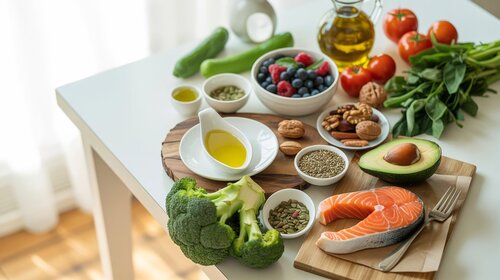
Plants Over Processed Foods
In the Plant-Based Diet Index Study (JAMA Network Open, 2024), more than two thousand men with non-metastatic prostate cancer were tracked for years. Those who most closely followed a plant-forward diet had roughly a 47 percent lower risk of disease progression compared with those who ate the least plant-based diets.
The lead researchers summarized it simply: “The more plants, the less progression.”
A separate long-term cohort from Harvard's Health Professionals Follow-Up Study supported the same pattern. Across twenty-six years of observation, men who exercised regularly and ate diets rich in vegetables, whole grains, and fish had a modest but measurable reduction in their risk of lethal prostate cancer.
Movement as Medicine
Exercise shows up repeatedly in the evidence. The Fred Hutchinson Cancer Center summarized a decade of work showing that three hours of vigorous activity per week could cut prostate cancer mortality by about 25 percent and reduce the risk of advanced disease by 30 percent.
A UCLA Health release added further precision: men who limited red meat to under 500 grams per week and maintained moderate physical activity had significantly fewer aggressive tumors.
For men already in treatment, physical activity offers a shield against fatigue and muscle loss. Reviews published in Urology Times and PubMed confirm that resistance training and aerobic exercise can help counteract hormone-therapy side effects, stabilize bone density, and improve emotional well-being.
One review concluded, “Movement is the most accessible medicine available to men with prostate cancer.”

The Mind-Body Connection
Beyond diet and exercise, integrative studies have found that stress management, mindfulness, and strong social support may improve quality of life and even influence hormonal balance.
A 2023 systematic review in UroToday observed that programs combining nutrition, exercise, and stress-reduction led to measurable improvements in tumor biology and emotional health. Men who saw themselves as active participants in their care reported higher energy levels and less anxiety about recurrence.
This holistic view is gaining acceptance within mainstream institutions. At MedStar Health and Mayo Clinic, multidisciplinary teams now routinely include nutritionists, exercise physiologists, and counselors. “Holistic care is no longer alternative,” one oncologist told Mayo Clinic Proceedings. “It is simply good medicine.”

A New Kind of Integration
The upcoming RADICAL PC2 Trial represents this shift. It is testing whether structured lifestyle and cardiovascular interventions, introduced immediately after diagnosis, can improve long-term outcomes. The idea is simple but revolutionary: treat the man, not just the tumor. Early reports suggest that cardiometabolic health may be as important as PSA levels for long-term survival.
When all these studies are viewed together, the message becomes difficult to ignore. Men who change how they live—what they eat, how much they move, how they manage stress—tend to live longer, feel better, and experience slower disease progression. The science is no longer confined to the fringes of alternative health. It is entering the core of modern oncology.
A Growing Consensus
Across fifteen high-quality trials and reviews published between 2018 and 2025, a clear consensus emerges:
- Lifestyle modification influences tumor biology, biomarkers, and survival.
- Plant-rich, minimally processed diets correlate with lower progression and recurrence.
- Physical activity improves longevity and mitigates treatment side effects.
- Mind-body practices enhance quality of life and emotional resilience.
- Integration of care—medical plus lifestyle—is the new frontier in prostate-cancer treatment.

A Quiet Revolution in Prostate Cancer Care
For decades, men were told to leave healing to doctors and drugs. Now the evidence says something different. Medical treatments remain vital, but they work best in bodies that are metabolically healthy and emotionally strong. Each meal, each walk, each moment of calm sends signals that shape biology.
Lifestyle change is not a miracle cure, yet it is a measurable force. As one Johns Hopkins researcher put it, “We are learning that the patient's choices can help determine the behavior of his cancer.” The implications reach far beyond the clinic.
They suggest that the most powerful medicine might already be in a man's hands, on his plate, and in his daily routine.
About the Author
Scott Oliver, 66, is living well with prostate cancer after dedicating more than 4,000 hours to researching the condition. His first goal is to help men reduce their risk of developing prostate cancer through proven lifestyle strategies.
When diagnosed, his mission is to help men avoid unnecessary prostate surgeries that can lead to devastating complications such as incontinence, bleeding, permanent impotence, and a loss of length.
Scott Oliver is not a doctor and does not offer medical advice; however, he is healthier and fitter than he has been in decades. Through his articles and videos, he shares hard-to-find, uncensored information on proven alternative therapies, effective fitness methods, and repurposed drugs, content that most doctors won’t mention and search engines suppress.
He is an accredited member of the National Writers Union (NWU) and the International Federation of Journalists (IFJ), the world’s largest organization of professional journalists. Scott is also the author of What If Cancer’s Best Defense Is Free? Sleep as a Defense Against Cancer: A Former Royal Marines Commando’s 4,000-Hour Research Roadmap, where he reveals how sleep repairs DNA, restores immunity, and strengthens the body’s natural defenses against cancer.
You can always contact Scott Oliver here with your questions and suggestions.
Scientific and Medical References Personally Reviewed by Scott Oliver
Every article I write begins with research, not opinion. I personally review peer-reviewed medical journals, clinical trial data, and expert analyses before drawing any conclusions. My goal is simple: to translate credible science into clear, practical guidance for men and the women who love them, without industry bias or medical jargon.
- The Prostate Cancer Active Lifestyle Study (PALS, 2024) – A randomized trial showing that structured diet and exercise improved weight, inflammation, and insulin sensitivity in men on active surveillance for prostate cancer. Read the study on PubMed
- CAPFISH-3: High Omega-3, Low Omega-6 Diet and Prostate Cancer Progression – A phase-2 trial where men following a high-omega-3 diet plus fish oil showed a 15% reduction in Ki-67, a marker of tumor proliferation. Read the summary at Urology Times
- Healthy Diet May Slow Low-Grade Prostate Cancer Progression – Johns Hopkins researchers found that men on active surveillance who followed healthier diets were less likely to see their cancer advance to a higher grade. Read the article at Johns Hopkins Medicine
- Plant-Based Diets and Prostate Cancer Progression (JAMA Network Open, 2024) – A cohort of 2,000+ men showed a 47% lower risk of disease progression among those following plant-rich diets after diagnosis. Read the study at JAMA Network Open
- Long-Term Lifestyle and Lethal Prostate Cancer Risk (Harvard HPFS, 2024) – A 26-year prospective analysis found that diet and regular exercise modestly reduced the risk of lethal or fatal prostate cancer. Read the study on PubMed
- The Influence of Lifestyle Changes on Prostate Cancer Biology (Systematic Review, 2023) – Review of studies linking diet, exercise, and stress-reduction programs with improved tumor biology and patient outcomes. Read the review at UroToday
- Physical Activity and Dietary Considerations for Prostate Cancer Patients (2023) – Review concluding that regular exercise and balanced diets improve survival and mitigate treatment side effects. Read the study on PubMed
- Healthy Lifestyle and Genetic Risk for Prostate Cancer (European Urology, 2023) – Men with high genetic risk who lived healthier lifestyles had significantly lower prostate cancer incidence. Read the study at ScienceDirect
- What Lifestyle Changes Can Help Me Avoid Prostate Cancer? – Harvard Health summary showing vigorous activity linked to 30% lower risk of advanced prostate cancer and 25% lower risk of death. Read the article at Harvard Health
- Diet and Exercise Impact on Prostate Cancer Survival – Fred Hutchinson Cancer Center report summarizing evidence that 3 hours of vigorous exercise weekly and plant-rich diets improve survival. Read the summary at Fred Hutchinson Cancer Center
- Eating Right and Exercise May Help Prostate Cancer Patients – UCLA Health findings that lower red-meat intake and regular activity are linked to less aggressive tumors. Read the article at UCLA Health
- Advanced Therapies and Innovative Options for Prostate Cancer Care – Mayo Clinic overview highlighting how lifestyle and new medical advances combine to extend quality of life. Read the feature at Mayo Clinic
- RADICAL PC2 Trial: Lifestyle and Cardiovascular Risk Reduction in Prostate Cancer – Ongoing randomized controlled trial testing lifestyle and heart-health interventions in newly diagnosed patients. Read the trial summary at the National Cancer Institute