
Ivermectin Hits Cancer From Multiple Directions. So Why Aren’t We Testing It?
What if an inexpensive, widely available drug could interfere with cancer in multiple ways at once?
In laboratory studies, ivermectin has shown the ability to disrupt cancer growth across a range of biological pathways. Not one mechanism, but many. This has led some researchers to take a closer look at a drug that, until recently, was never seriously considered part of the cancer conversation.
Cancer affects tens of millions of people worldwide. According to global estimates, there are now well over 100 million people living with cancer, and millions more are diagnosed each year. Against that backdrop, even the possibility that an existing, low-cost drug might play a role deserves careful attention.
So here is the question that naturally follows. If drugs like ivermectin truly show this kind of multi-target potential in the lab, and if they could help even a fraction of the millions of people facing cancer today, why are they not being properly tested in large-scale human trials?
This article does not claim that ivermectin is a cure. It is not. But it does explore something that is harder to dismiss. The growing body of laboratory research suggesting that this drug may affect cancer in multiple ways, and the uncomfortable question of why that signal has not yet been fully explored in the real world.
A growing body of preclinical research has documented these multi-pathway effects across several cancer types (Read the review in Biomedicine & Pharmacotherapy).
Here is what that actually means in simple terms.
The 14 Ways Ivermectin Appears to Target Cancer in the Lab
- Stopping Cancer Cells From Multiplying: Cancer grows because its cells divide rapidly and uncontrollably. Ivermectin has been shown in lab studies to slow or stop this process. If cells cannot multiply, tumors cannot grow.
- Triggering Cancer Cell Suicide: Healthy cells have a built-in self-destruct program called apoptosis. Cancer cells often avoid this. Ivermectin appears to switch that program back on, causing damaged cancer cells to destroy themselves.
- Targeting Cancer Stem Cells: Some cancer cells act like roots. These “stem cells” can regenerate the tumor even after treatment. Ivermectin has shown the ability in lab models to target these root cells, not just the visible tumor.
- Blocking PAK1, A Key Growth Switch: PAK1 is a protein that helps cancer cells grow and survive. Ivermectin appears to block this signal. When that pathway is interrupted, cancer cells lose one of their key advantages.
- Shutting Down the Wnt Pathway: The Wnt/β-catenin pathway plays a major role in many cancers. It helps cells grow, divide, and spread. Ivermectin has been shown to suppress this pathway, reducing cancer activity at a fundamental level.
- Disrupting the PI3K/Akt/mTOR Pathway: This is one of the most important survival pathways in cancer biology. It helps tumors grow and resist treatment. Ivermectin appears to interfere with this system, weakening the cancer's ability to survive.
- Silencing STAT3 Signaling: STAT3 helps cancer cells avoid the immune system and continue growing. Lab studies suggest ivermectin can inhibit this pathway, potentially making tumors more vulnerable.How to Stay Calm and Think Clearly After a Prostate Cancer DiagnosisGet instant access to your free guide now.Join FreeNo spam. Unsubscribe anytime.
- Draining Cancer Cell Energy: Cancer cells need large amounts of energy to grow. Ivermectin has been shown to disrupt mitochondrial function, which reduces the cell's ability to produce that energy.
- Increasing Oxidative Stress: Ivermectin may increase levels of reactive oxygen species inside cancer cells. In simple terms, it creates internal stress that damages the cell from within.
- Cutting Off the Blood Supply: Tumors need new blood vessels to grow. This process is called angiogenesis. Ivermectin appears to interfere with this process, limiting the tumor's ability to feed itself.
- Slowing or Preventing Spread: Cancer becomes deadly when it spreads. Some studies suggest ivermectin may reduce the ability of cancer cells to move and invade other tissues.
- Changing the Tumor Environment: Cancer does not live in isolation. It depends on surrounding tissue. Ivermectin appears to alter this environment, making it less supportive for tumor growth.
- Helping the Immune System See Cancer: Cancer often hides from the immune system. Ivermectin may help expose cancer cells, allowing the immune system to recognize and attack them more effectively.
- Overcoming Drug Resistance: One of the biggest problems in cancer treatment is resistance. Tumors adapt and stop responding to drugs. Ivermectin has shown the potential to reverse some forms of resistance in laboratory settings.
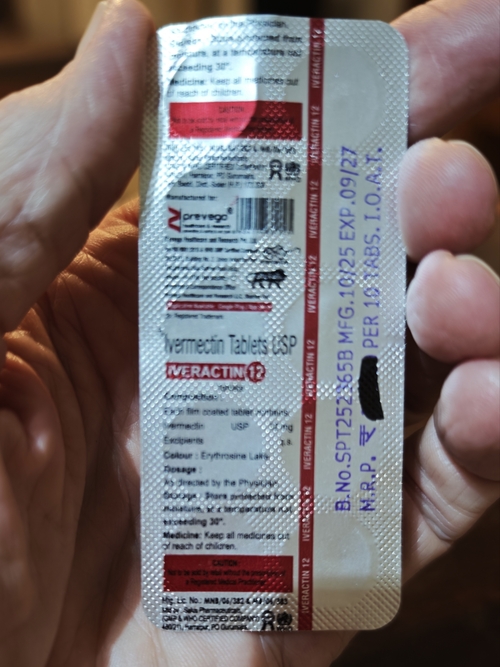
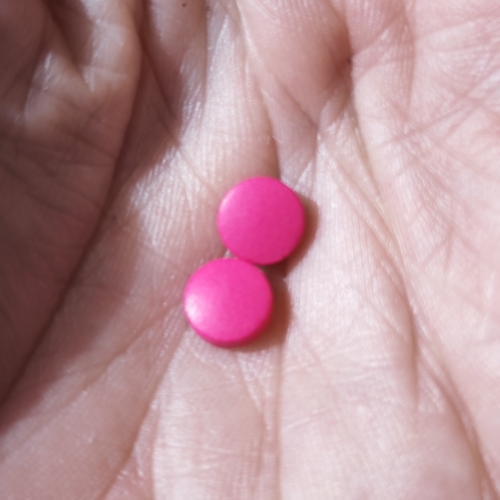
 This is the Ivermectin I take.
The Bigger Picture
Individually, each of these effects is interesting. Together, they form a pattern. Instead of attacking cancer from one direction, ivermectin appears to apply pressure from many angles at once.
That is why researchers are paying attention.
But there is an important distinction that must not be ignored. These findings come mainly from laboratory and early-stage research. Cells in a dish are not the same as a human body.
Promising mechanisms do not always translate into real-world results, and this gap between preclinical promise and clinical proof is well recognized in oncology research (Read at Nature Reviews Drug Discovery).
So the real question remains unanswered.
Can these multiple anti-cancer actions observed in the lab actually improve outcomes for patients?
That is where proper clinical trials become essential. Until then, ivermectin remains what it is today. Not a proven cancer treatment, but a drug with intriguing biological potential that deserves serious, independent investigation.
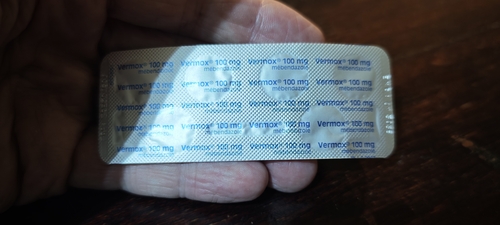
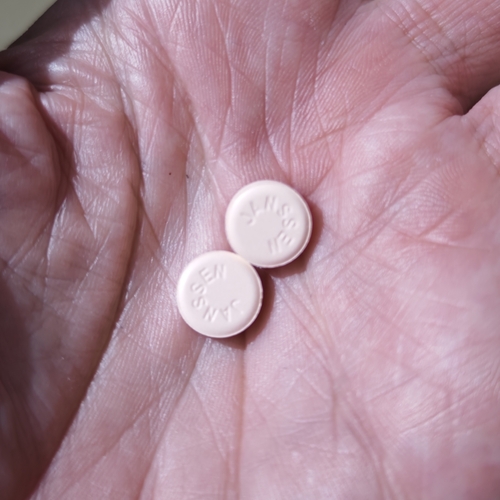
And then comes the question that cuts straight through everything. Who is going to pay for the trials? Proper cancer studies can cost tens of millions of dollars. Ivermectin costs me only .40 cents per 12mg tablet and Mebendazols costs me .25 cents per 100mg tablet. It cannot be meaningfully patented, it offers little commercial upside, and it does not fit a profit-driven model.
That creates a reality most people instinctively understand but rarely say out loud. In a system where funding follows financial return, not curiosity, drugs like this are left in the shadows.
Some would argue that under these conditions, it is not just unlikely, but virtually impossible that the large, definitive trials will ever be done. If that is true, then what we are looking at is not just a scientific gap. It is a structural blind spot in how modern medicine decides what gets studied and what gets ignored.
About the Author
Scott Oliver, 66, is living well with prostate cancer after dedicating more than 4,000 hours to researching the condition. His first goal is to help men reduce their risk of developing prostate cancer through proven lifestyle strategies.
When diagnosed, his mission is to help men avoid unnecessary prostate surgeries that can lead to devastating complications such as incontinence, bleeding, permanent impotence, and a loss of length.
Scott Oliver is not a doctor and does not offer medical advice; however, he is healthier and fitter than he has been in decades. Through his articles and videos, he shares hard-to-find, uncensored information on proven alternative therapies, effective fitness methods, and repurposed drugs, content that most doctors won’t mention and search engines suppress.
He is an accredited member of the National Writers Union (NWU) and the International Federation of Journalists (IFJ), the world’s largest organization of professional journalists. Scott is also the author of What If Cancer’s Best Defense Is Free? Sleep as a Defense Against Cancer: A Former Royal Marines Commando’s 4,000-Hour Research Roadmap, where he reveals how sleep repairs DNA, restores immunity, and strengthens the body’s natural defenses against cancer.
You can always contact Scott Oliver here with your questions and suggestions.